
Cornu aspersum (garden snail)
Cornu aspersum, the garden snail, is a small, widespread terrestrial gastropod native to Europe, often considered a garden pest, noted for its variable banded shell, hermaphroditic reproduction, and ecological roles.
Cornu aspersum, commonly called the garden snail, is a terrestrial pulmonate gastropod long familiar to gardeners and naturalists. Historically cited in many English sources as Helix aspersa, modern classifications place it in the genus Cornu. The species is among the best-known land snails worldwide and is notable for a globose, often banded shell and slow crawling on a muscular foot that leaves a mucous trail. For general background see garden snail overview.
Image gallery
10 Images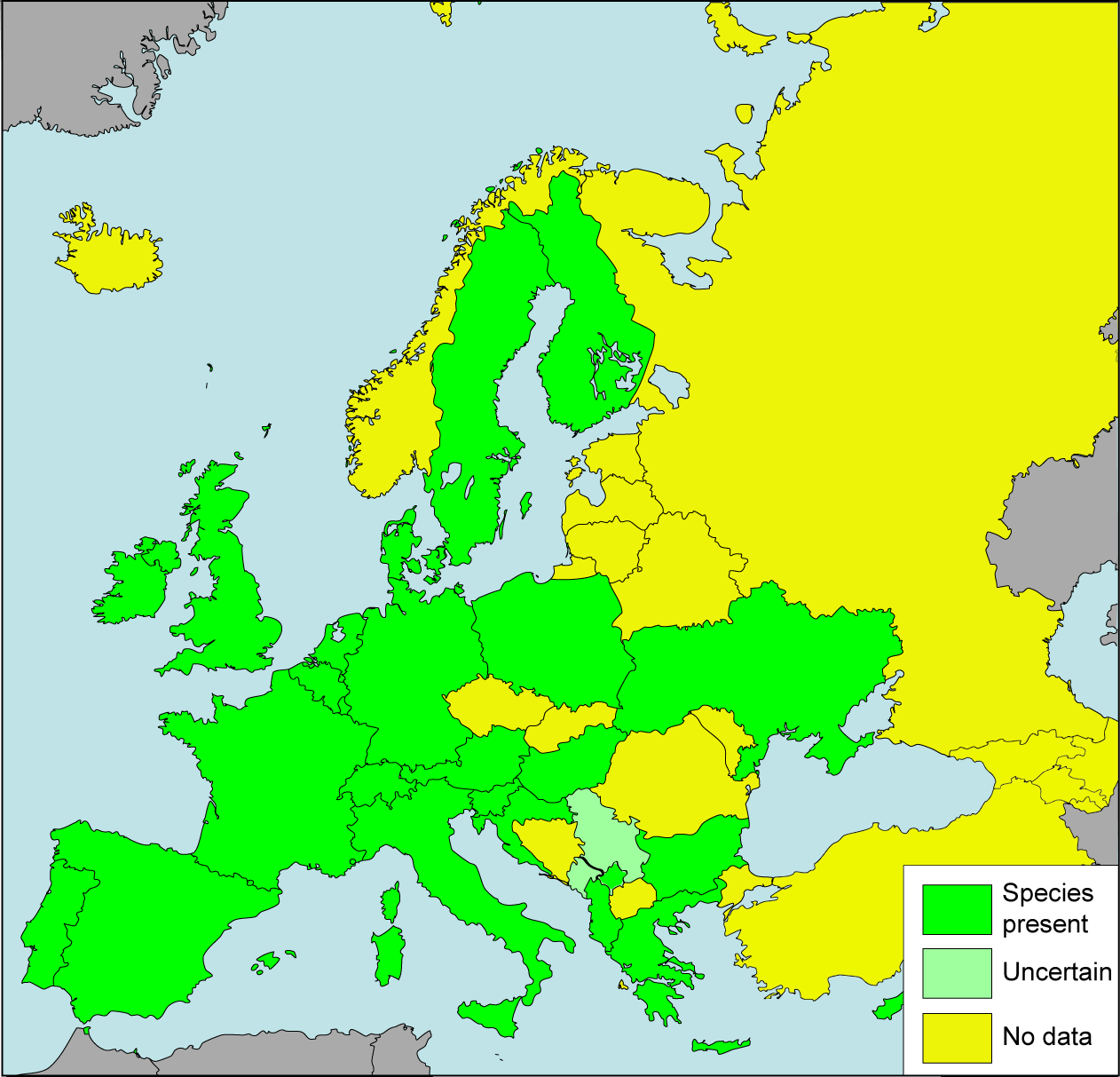



Identification and characteristics
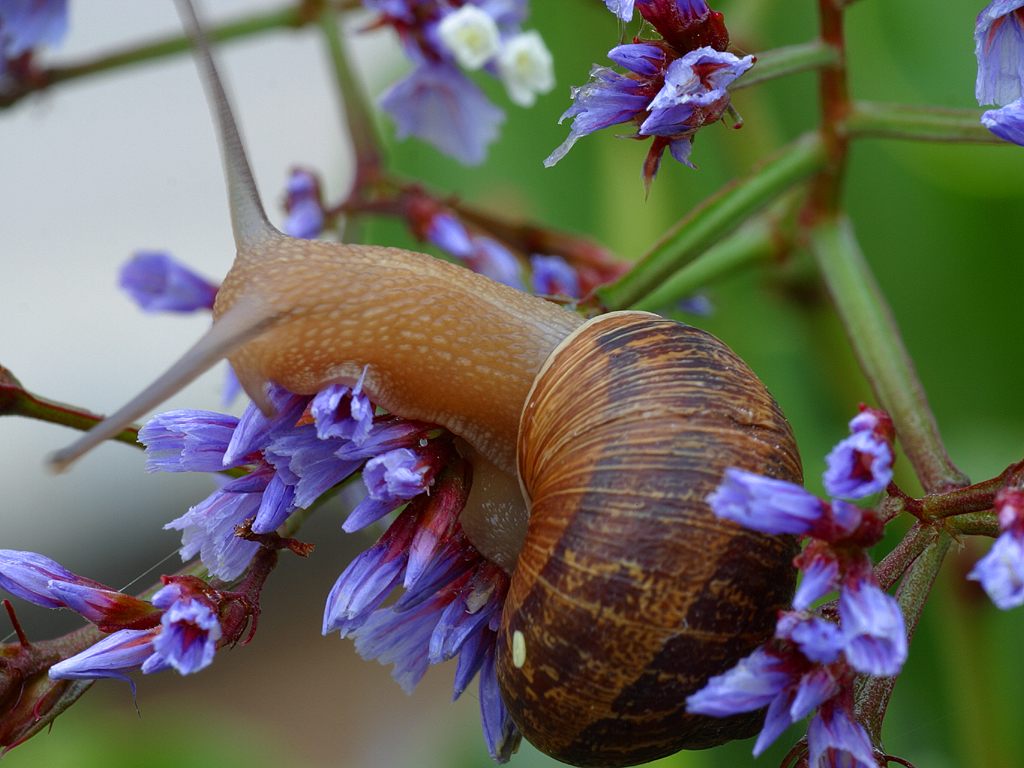
Adults are relatively small compared with large edible snails; shell color varies from pale yellow to brown with darker bands and can show considerable individual variation. Like other pulmonate snails they have two pairs of retractable tentacles, the upper pair bearing eyes. They feed using a radula, a rasping ribbon of teeth. Reproductively they are hermaphrodites and engage in reciprocal mating; individuals sometimes use calcareous or chitinous "love darts" during courtship, a behaviour seen in several helicid snails.
Distribution and habitat
Native to the Mediterranean and western Europe, Cornu aspersum has been transported widely by human activity and now occurs on many continents. It thrives in temperate gardens, parks, agricultural land, roadside verges and coastal scrub where moisture, shelter and food are available. Populations are often dense in urban and suburban gardens where suitable microhabitats such as mulch, stones and leaf litter provide refuge.
Life cycle and behavior
Eggs are laid in soil or protected cavities in clutches, and juveniles hatch with small shells that grow as the animal matures. Growth and reproduction are influenced by temperature and moisture; activity is typically nocturnal or restricted to cool, humid periods. During adverse conditions snails may aestivate or hibernate by sealing the shell aperture with a mucous epiphragm to reduce water loss. Lifespan varies with environment but individuals commonly live for several years in the wild.
Ecology and interactions
Garden snails feed on a variety of plant material, including seedlings, leaves and decaying vegetation, contributing to decomposition and nutrient cycling. They are prey for birds, small mammals, amphibians, beetles and predatory snails. When introduced outside their native range they can compete with local molluscs and, in intensive numbers, damage crops and ornamentals.
Management and human uses
Because they feed on cultivated plants, gardeners and farmers often control populations using a combination of mechanical and cultural methods: hand-picking, barriers and traps, removal of shelters and prudent irrigation to reduce damp refuges. Chemical baits are used in some contexts; integrated approaches that reduce habitat suitability are widely recommended. In addition to being regarded as a pest, the species and related helicid snails have been used in cuisine (often referred to collectively as escargot), in education and in laboratory studies of behaviour and physiology.
Taxonomy and notes
The species has a long taxonomic history and was widely known in literature as Helix aspersa for many years before revisions placed it in Cornu. It is similar in appearance to other garden snails such as the larger Roman snail (Helix pomatia), but shell size, banding pattern and anatomical details help distinguish species. For regional occurrence and further distribution details consult resources such as distribution summaries.
Related articles
Author
AlegsaOnline.com Cornu aspersum (garden snail) Leandro Alegsa
URL: https://en.alegsaonline.com/art/23166
Sources
- snail-world.com : "Garden Snail - Snail Facts and Information"
- thegardensnailresource.weebly.com : "Reproductive System"