
Tadpole — the aquatic larval stage of frogs
A tadpole is the aquatic larval form of frogs. This article describes appearance, anatomy, development to froglets, ecological roles, life history variations, and conservation concerns.
Overview
A tadpole, often called a polliwog, is the free‑swimming larval stage in the life cycle of most frogs. Tadpoles hatch from eggs laid in water and spend an early life wholly aquatic before transforming into land-capable juvenile frogs. Many people encounter tadpoles in ponds, ditches, streams or garden pools as dark, tail‑bearing larvae. Frog eggs are typically laid in clusters or masses while some toads deposit long strings; both kinds of eggs supply nutrients that sustain the embryo until hatching. For general context about the adult form see frog.
Image gallery
4 Images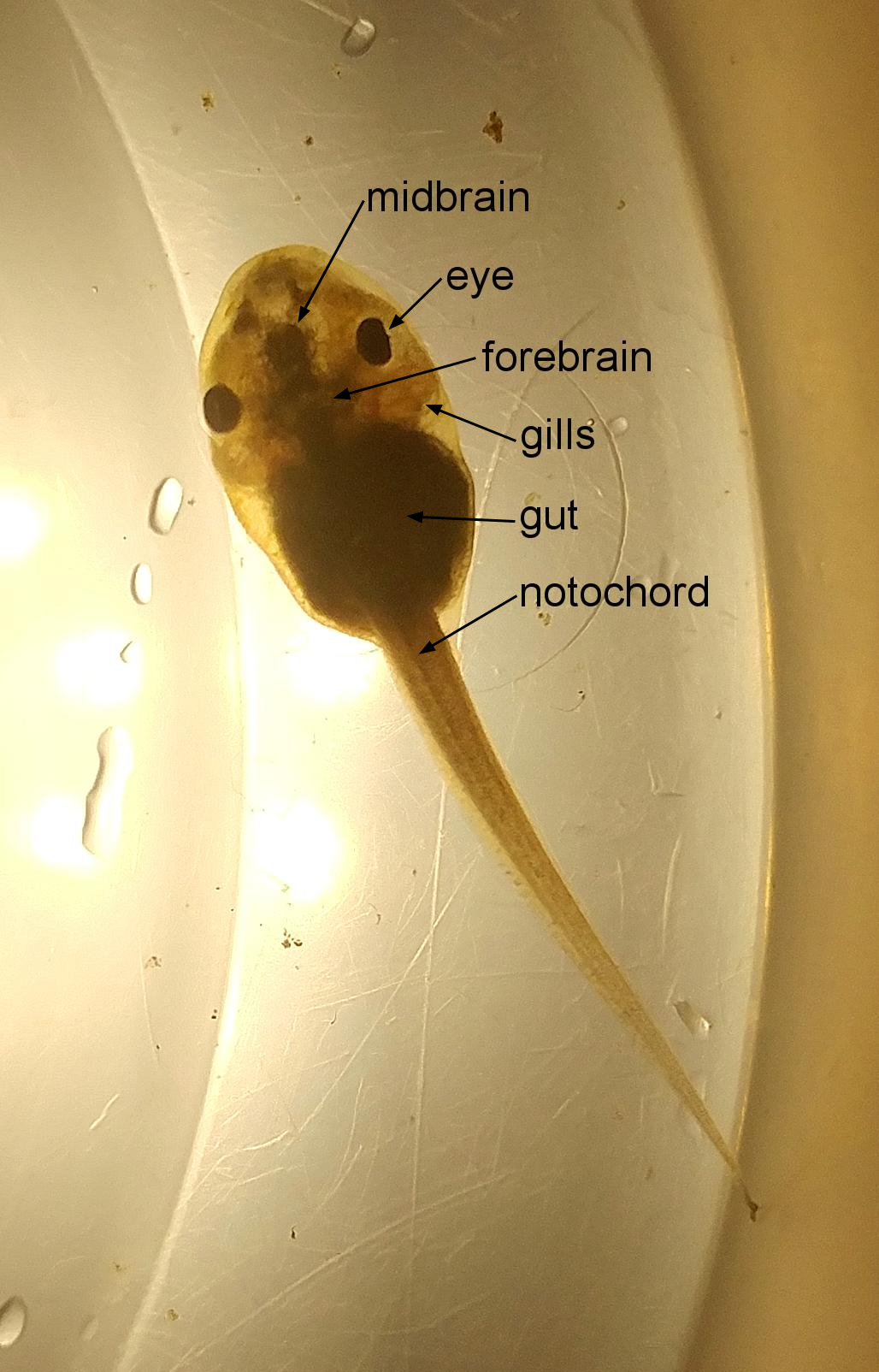

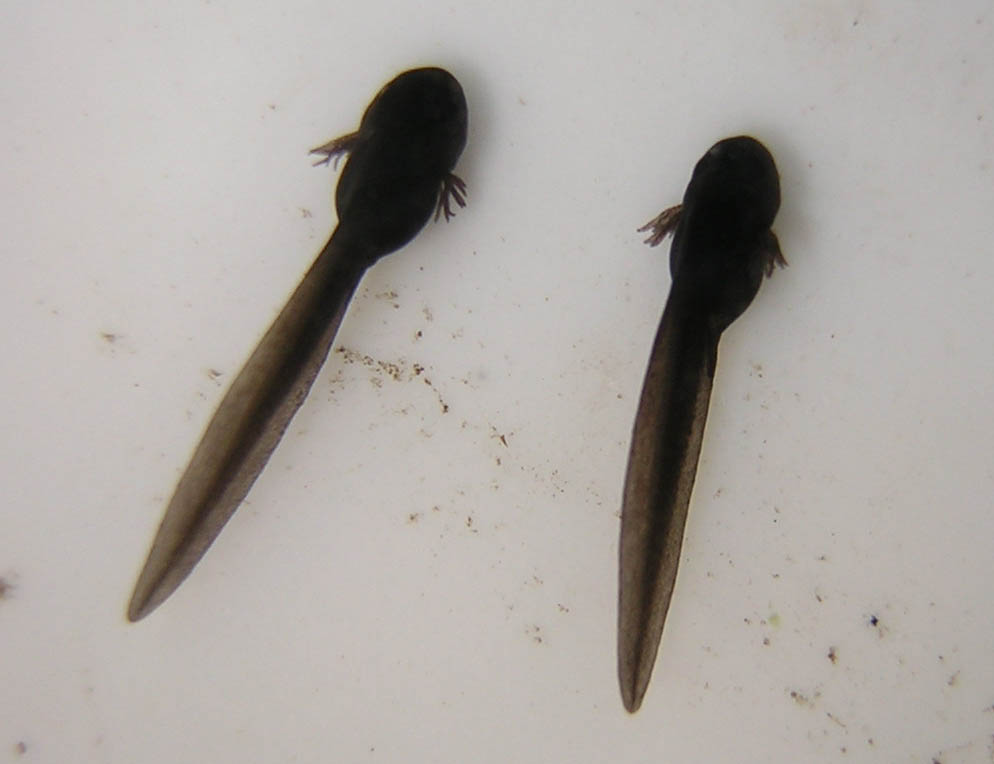

Anatomy and physiology
Tadpoles are adapted for life in water. They typically have a rounded head and a strong, laterally flattened tail that provides propulsion. Early stages often show visible external gills that function to extract oxygen from water; in many species these gills become covered as internal gills or are replaced by lungs during metamorphosis. Gas exchange also occurs across the skin. Sensory systems such as a lateral line help detect water movement and nearby predators or food sources.
Development and metamorphosis
Tadpole development proceeds through a series of stages during which limbs form, the tail is resorbed, and internal organs reorganize. Thyroid hormones produced by the tadpole regulate and trigger metamorphosis, driving tail resorption and lung maturation. Timing of the larval period varies widely among species and environments, ranging from a few weeks to many months or more depending on temperature, food availability and life history strategy.
Diet and behavior
Many tadpoles begin life as herbivores or detritivores, grazing on algae, biofilms and decaying plant material. Some are opportunistic omnivores or shift toward carnivory as they grow. A few species of tadpoles are known to filter‑feed or to consume eggs and smaller larvae under crowded conditions. Feeding mode often influences mouthpart structure and behavior.
Ecology and role
Tadpoles are important components of freshwater ecosystems. As primary consumers they help control algal growth and contribute to nutrient cycling. They are also key prey items for fish, aquatic insects, waterbirds and other predators. Tadpole presence and abundance can therefore influence community dynamics in ponds and wetlands.
Variations in life history
- Not all amphibians have a free‑living tadpole: some frogs and many other amphibians exhibit direct development and hatch as miniature adults.
- Egg deposition strategies vary: massed clutches, foam nests, terrestrial eggs guarded by a parent, or strings each provide different levels of protection and moisture control.
- Larval durations and growth rates are adaptive and can change with environmental pressures such as predation risk or drying habitats.
Threats and conservation
Amphibian declines worldwide have highlighted risks to tadpoles as well as adults. Threats include habitat loss, water pollution, introduction of predatory species, climate change and disease. Infectious agents such as chytrid fungi affect amphibian populations in many regions. Protecting breeding sites, maintaining water quality, and monitoring larval stages are common conservation measures.
Human interactions and study
Tadpoles are commonly used in education to demonstrate metamorphosis and development. They are also studied in ecology and physiology, for example to understand aquatic respiration and developmental endocrinology. For accessible information about aquatic breathing and gill function see gill and lung respiration. Careful handling and ethical collection are important when tadpoles are studied or kept in classroom settings.
Notable observations
- Tadpoles can be indicators of freshwater health because they respond to changes in water chemistry and habitat quality.
- Individual species show a wide range of feeding strategies and life histories that reflect adaptation to local environments.
Questions and answers
Q: What is a tadpole?
A: A tadpole is the larva of a frog.
Q: How does a tadpole breathe?
A: A tadpole breathes water.
Q: Where do tadpoles live?
A: Tadpoles live in the water.
Q: How do frog eggs differ from toad eggs?
A: Frog eggs are round, while toad eggs are laid in long strings.
Q: What is inside frog and toad eggs?
A: Frog and toad eggs contain nutrients (food) for the young animal to grow before it hatches.
Related articles
Author
AlegsaOnline.com Tadpole — the aquatic larval stage of frogs Leandro Alegsa
URL: https://en.alegsaonline.com/art/95872