
British people (Britons): identity, history, and distinctions
An overview of British people—commonly called Britons—including origins, constituent nations, historical development, cultural influence, and how British identity differs from English, Scottish, Welsh and Northern Irish.
Overview
The term British people, or Britons, refers broadly to the inhabitants or citizens of the island of Great Britain and the United Kingdom. In contemporary usage it commonly denotes people who live in or hold citizenship of the United Kingdom, a modern state often called the United Kingdom, and is also used for residents of the island of Great Britain. Historically, the label was extended to people connected with the British Empire and later the Commonwealth (British Empire / term origins), although those meanings relate to political links rather than a single ethnic group.
Image gallery
10 Images


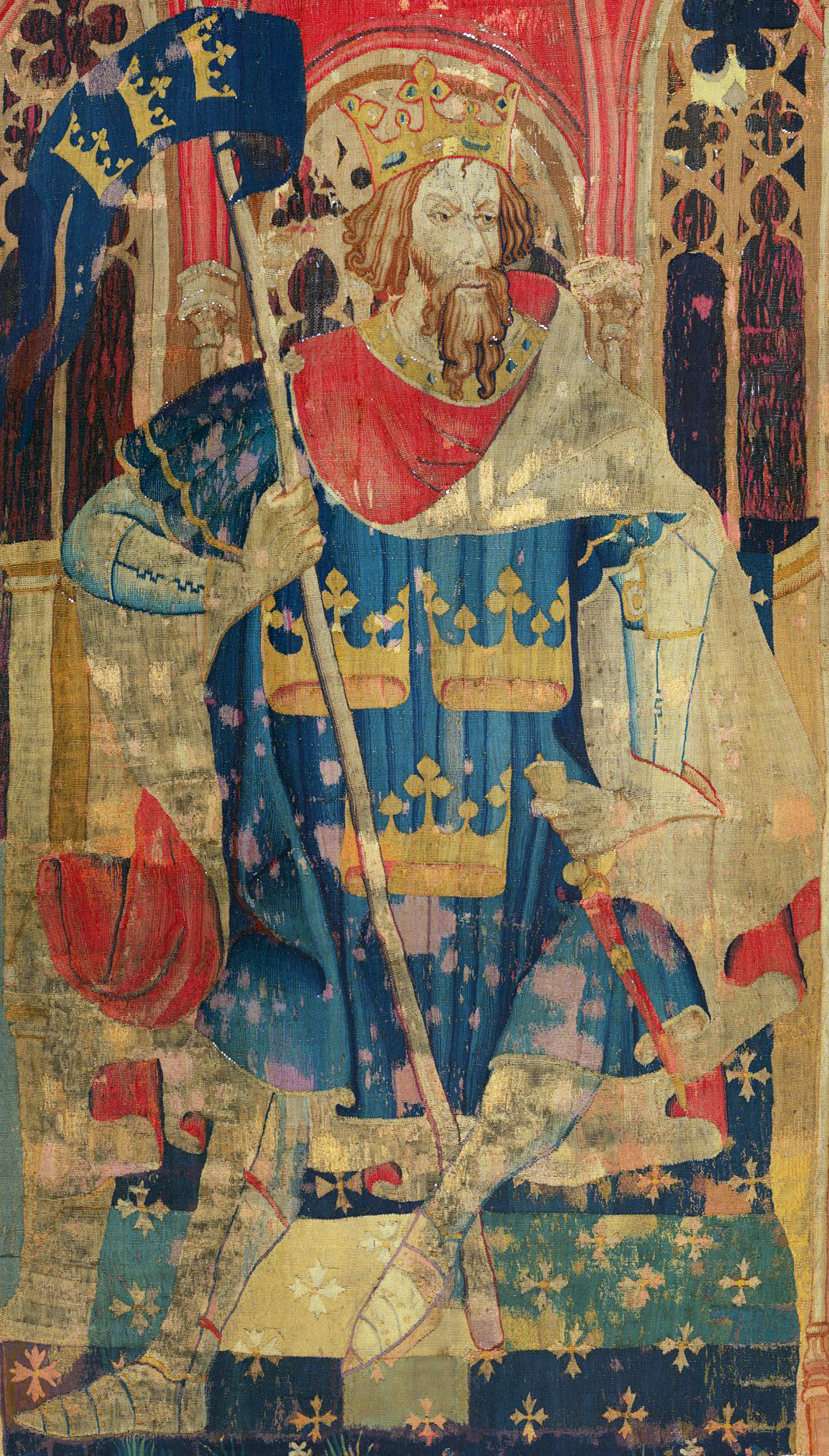
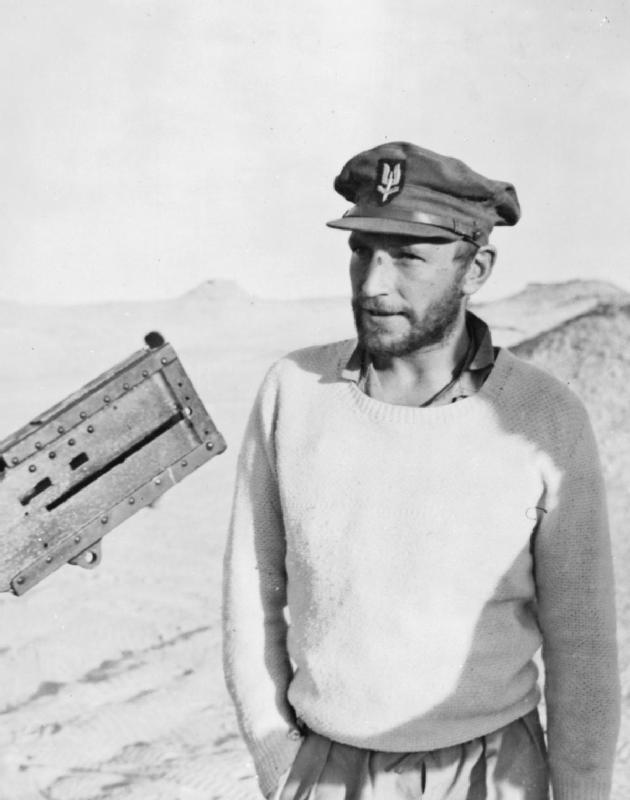
Identity and composition
British identity is complex and layered. It can describe citizenship, legal status, cultural affiliation, or a civic identity that encompasses several distinct national groups: the English, Scots, Welsh and people of Northern Ireland. Those constituent nations have their own histories, languages and cultural traditions. The label has at times been associated with language groups: early uses of the word referred to speakers of Brythonic languages such as Welsh and Cornish in western Britain and Brittany in France (Brythonic, Wales, Cornwall, Brittany).
Historical development
Classical writers recorded names for the peoples of Britain: the Romans referred to the inhabitants as Britanni and people in Roman Britain sometimes used Brittones (Roman Britain). Over centuries the meaning of Briton shifted. In medieval and early modern English it often signified those of Celtic or Brythonic descent; by the 18th century the Acts of Union (1707) that joined England and Scotland helped popularize the modern political sense of "British" (Acts of Union, 1707). Literary and political writers of the 18th and 19th centuries frequently invoked "Briton" to suggest collective virtues such as courage and civic duty (literary usage, historical usage).
Culture, influence and diaspora
British culture is the product of many traditions and has exerted wide influence through language, law, education and commerce. The English language, parliamentary institutions and common law systems are among the legacies associated with British historical power and global connections. Large diasporas of people with British ancestry or citizenship live around the world as a result of migration during the imperial and post‑imperial eras (diaspora, language, legal traditions).
Distinctions and common confusions
- British vs English: "English" refers specifically to people from England; "British" can include English people but also Scots, Welsh and Northern Irish (England, Scotland, Wales).
- Ethnicity and citizenship: being British is primarily a civic or political identity but may overlap with ethnic, linguistic and regional identities (citizenship, ethnicity).
- Historical labels: earlier meanings included the ancient Britons of pre‑Roman and Roman eras and later usage sometimes applied to peoples within the empire (ancient Britons, Roman era).
Notable historical references
Writers and historians have long invoked figures described as Britons to symbolize national virtues. For example, the warrior queen Boudica appears in accounts as an iconic ancient Briton who resisted Roman rule, and later political and literary figures used the term in patriotic contexts (Boudica, patriotic usage). The rare feminine form "Britoness" was sometimes used in older literature to describe women regarded as exemplifying those qualities.
Understanding who is British today requires attention to law, personal identity and history. The term encompasses a multiplicity of languages, cultures and histories bound together by geography, shared institutions and evolving civic concepts rather than by a single ethnic origin.
Related articles
Author
AlegsaOnline.com British people (Britons): identity, history, and distinctions Leandro Alegsa
URL: https://en.alegsaonline.com/art/14285
Sources
- askoxford.com : Compact Oxford English Dictionary
- m-w.com : Definition of Briton