
Cannibalism: definition, history, cultural forms and consequences
An overview of cannibalism (anthropophagy): definitions, animal and human occurrences, cultural roles, historical reports, health risks and modern perspectives.
Overview
Cannibalism is the act of one individual consuming all or part of another individual of the same species. When the participants are human this practice is often called anthropophagy. The term is used in biology to describe a behavior seen in many animal groups and in anthropology and history to describe a set of practices and episodes among people. The eaten material is commonly referred to as flesh in older accounts, though modern discussions use more precise language about motives and context.
Image gallery
5 Images



Forms and contexts
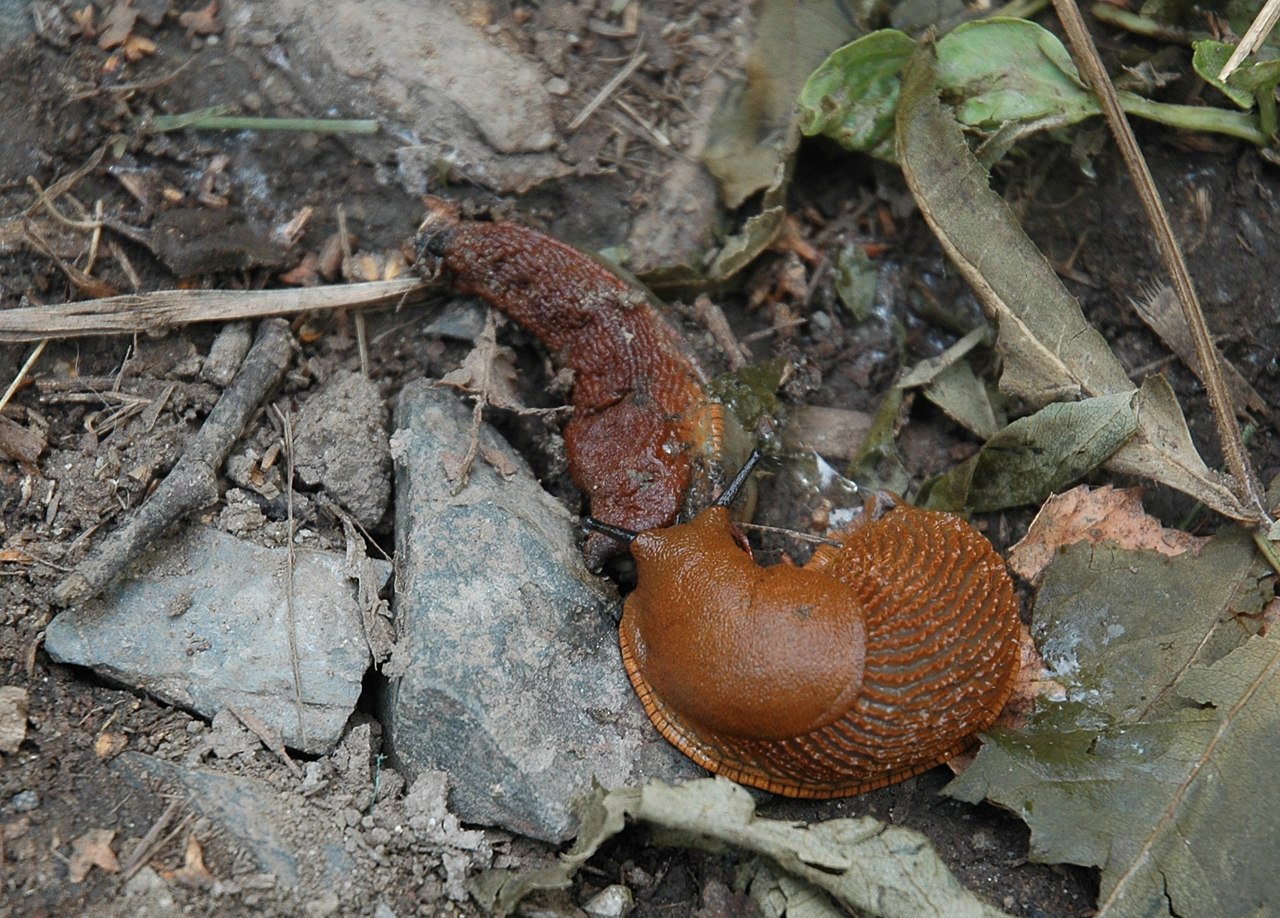
Cannibalism has several distinct forms and motives. Simple categories used by researchers include ritual or funerary cannibalism, where parts of the deceased may be consumed as part of remembrance or reincorporation; aggressive or celebratory cannibalism associated with warfare and dominance; survival cannibalism in extreme famine or disaster; and medical or symbolic consumption motivated by beliefs about strength or healing. In the animal kingdom, cannibalism can be seasonal, opportunistic, or an evolved reproductive strategy in species as diverse as insects, fish and mammals.
History and geographic reports
The English word "cannibal" derives from early European reports of the Island Carib people of the Lesser Antilles (Lesser Antilles), whose recorded legends and European encounters in the 17th century helped fix the term in European languages. Ethnographic and historical records also mention the practice in parts of the South Pacific, including areas of Melanesia and islands such as New Guinea and the Solomon Islands. Reports from the 18th and 19th centuries labeled some places like Fiji as the "Cannibal Isles," and accounts exist from riverine regions of the Amazon and the Congo and from some groups in tropical Africa. In the Pacific, historical sources also refer to episodes involving the Māori and other Oceanic societies; many historians emphasize caution because colonial-era descriptions could be exaggerated or used to justify conquest. Modern New Zealand scholarship treats such claims critically and contextually.
Health, legal and forensic aspects
Cannibalism carries significant health risks. The best-known medical consequence is prion disease transmission, illustrated by kuru among people who practiced ritual consumption of brain tissue in parts of New Guinea. Forensic science has methods to detect human tissue consumption, and most contemporary legal systems treat cannibalism as a crime or prosecute associated acts such as murder, desecration of corpses or assisting suicide.
Documentation, bias and modern attitude
Anthropologists and historians stress that documentation varies in quality. Eyewitness reports, missionary writings, and colonial administrative records sometimes mix observation with moral judgment or sensationalism. Where properly documented, cannibalism has been part of social systems with clear rules and meanings, while in other cases it was a response to extreme circumstances. Today the practice is universally taboo in most societies and survives only in rare, well-documented incidents or as a topic in forensic, historical and cultural studies.
Key distinctions
- Endocannibalism: consuming members of one's own community as an act of mourning or incorporation.
- Exocannibalism: consuming outsiders, often linked to warfare or dominance rituals.
- Survival cannibalism: emergency consumption to avoid starvation.
Understanding cannibalism requires separating biological fact from cultural interpretation and colonial rhetoric. Careful study uses multiple lines of evidence—archaeological, ethnographic, medical and historical—to reconstruct meaning and prevalence without sensationalizing the human stories involved.
Further reading and source collections can be found through specialized anthropological and medical literature resources and regional studies of the South Pacific, Africa and the Americas.
Questions and answers
Q: What is cannibalism?
A: Cannibalism is when a member of a species eats the flesh of another member of that species.
Q: What is another word for cannibalism when humans do it?
A: Anthropophagy is another word for cannibalism when humans do it.
Q: Do anthropologists know how widespread cannibalism was?
A: Anthropologists are not sure how widespread cannibalism was, but it did happen in some societies.
Q: Where did the word 'cannibalism' come from?
A: The word 'cannibalism' comes from the Island Carib people of the Lesser Antilles.
Q: Was cannibalism practiced in the past among humans in many parts of the world?
A: Yes, cannibalism was practiced in the past among humans in many parts of the world, continuing into the 19th century in some isolated South Pacific cultures, and to the present day in parts of tropical Africa.
Q: In which places was cannibalism certainly practiced?
A: Cannibalism was certainly practiced in New Guinea and in parts of the Solomon Islands, and flesh markets existed in some parts of Melanesia.
Q: In which place was Fiji once known as the 'Cannibal Isles'?
A: Fiji was once known as the 'Cannibal Isles'.
Related articles
Author
AlegsaOnline.com Cannibalism: definition, history, cultural forms and consequences Leandro Alegsa
URL: https://en.alegsaonline.com/art/16579
Sources
- exploration.vanderbilt.edu : exploration.vanderbilt.edu
- books.google.com : From Primitive to Postcolonial in Melanesia and Anthropology
- books.google.com : Divine Hunger: Cannibalism as a Cultural System