
Elizabeth I of England (1533–1603)
Elizabeth I (1533–1603) ruled England and Ireland from 1558 to 1603. Her reign stabilized religion, promoted the arts and exploration, and saw the defeat of the Spanish Armada, leaving a lasting cultural legacy.
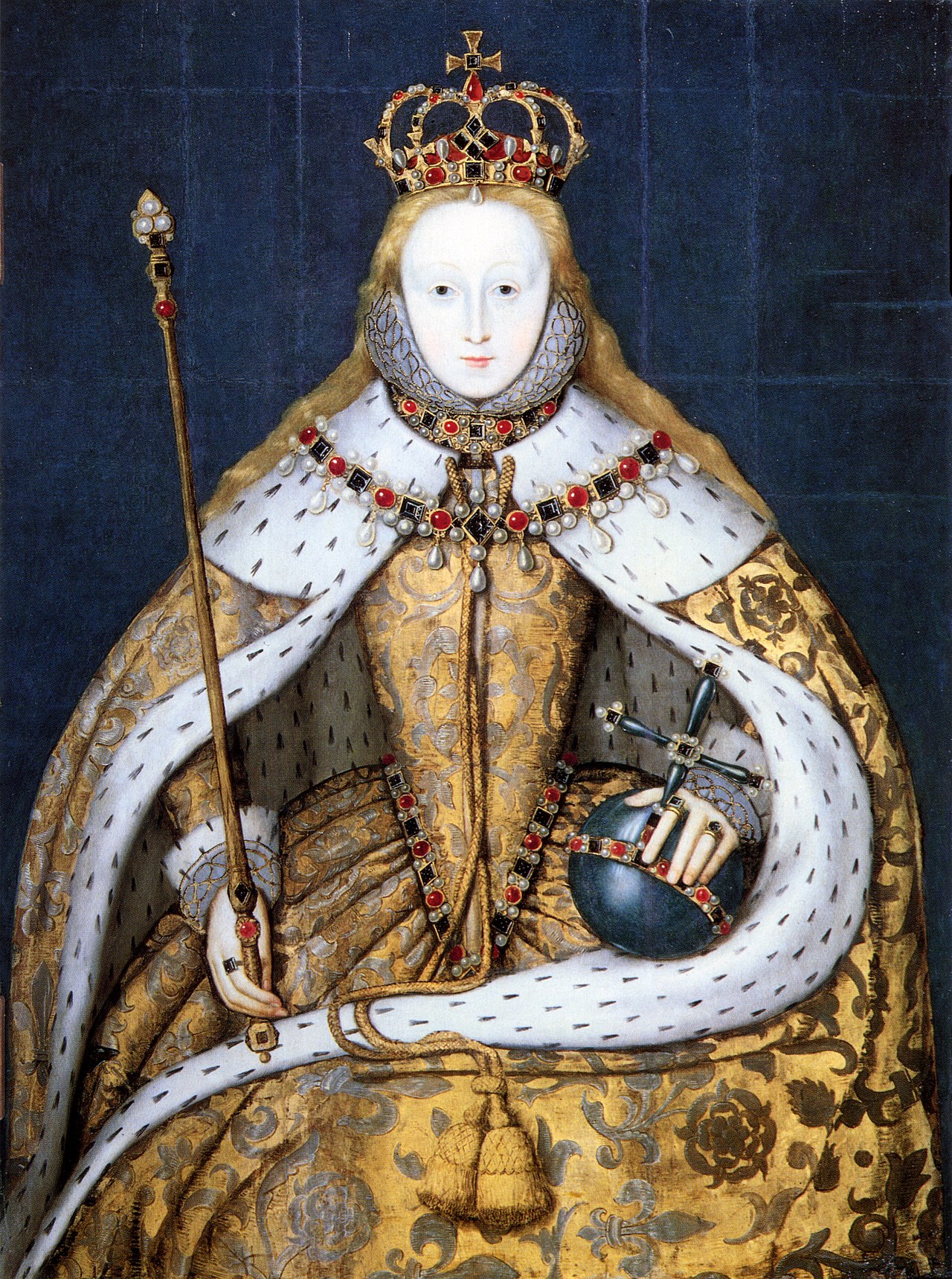
Elizabeth I reigned as the Queen of England and Ireland from 17 November 1558 until her death on 24 March 1603. Her government presided over a period often called the Elizabethan Age, noted for a flowering of English culture, the consolidation of the Protestant Church of England, and increased maritime activity. She is commonly remembered by nicknames such as the "Virgin Queen," "Good Queen Bess," and "Gloriana," reflecting both popular affection and later literary praise. In official terms she held the titles and responsibilities of Queen of England and Ireland, governing through a combination of personal authority, the Privy Council, and an often-cooperative Parliament.
Image gallery
10 Images




Early life and accession
Born on 7 September 1533, Elizabeth was the daughter of King Henry VIII and his second wife, Anne Boleyn. Her early years were shaped by the upheavals of the Tudor court: her mother’s execution in 1536 and the shifting fortunes of the royal family left Elizabeth’s position precarious at times. She grew up in an environment of intense education and political intrigue, receiving instruction in languages, history, rhetoric, and the arts. As the last monarch of the Tudor line, descended from a dynasty often summarized as the Tudor dynasty, her accession in 1558 followed the death of her half-sister Mary I and marked a decisive change in religious and diplomatic direction for the kingdom.
Government, religion, and court life
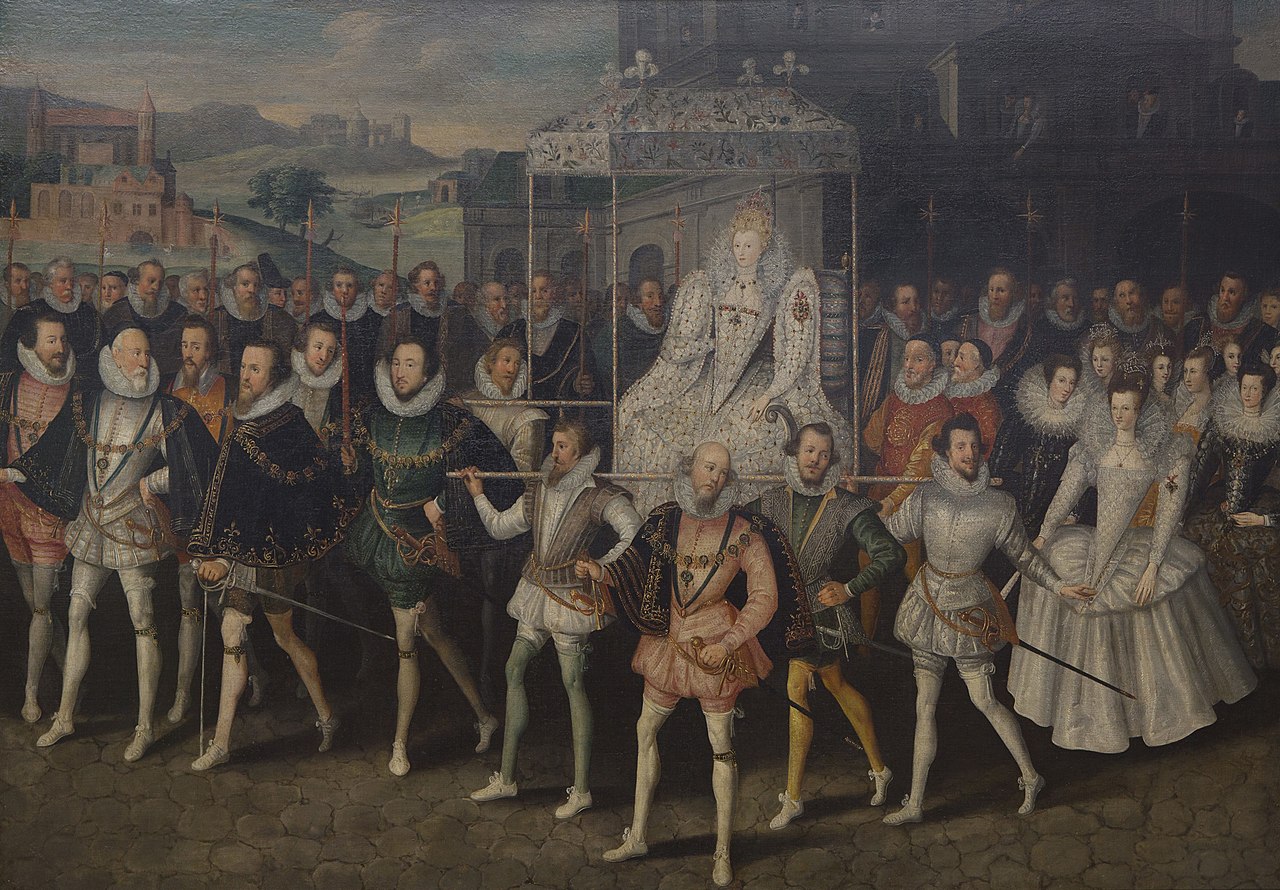
Elizabeth's approach to rule combined careful management of factional politics with assertive personal leadership. She relied on able ministers and a small circle of trusted advisers while preserving her own prerogative. One of her earliest and most consequential acts was the establishment of a religious settlement that reasserted Protestantism while retaining elements of traditional worship, a compromise intended to reduce sectarian conflict. The court under Elizabeth became a center of ceremony, patronage, and political negotiation; loyalty, performance, and display were important tools of royal authority.
Culture, exploration, and economy
The Elizabethan era saw notable growth in literature, theatre, and music. Poets and playwrights including figures who later rose to prominence found patronage and audiences during her reign. At the same time, English merchants and navigators expanded overseas trade and exploration. Privateering and sponsored voyages increased England’s exposure to global markets and competing empires, and institutions supporting commerce, including companies chartered toward the end of her reign, began to take shape. Patronage of the arts and exploration enhanced the monarchy’s prestige and contributed to a distinct national culture.
Foreign policy and military events
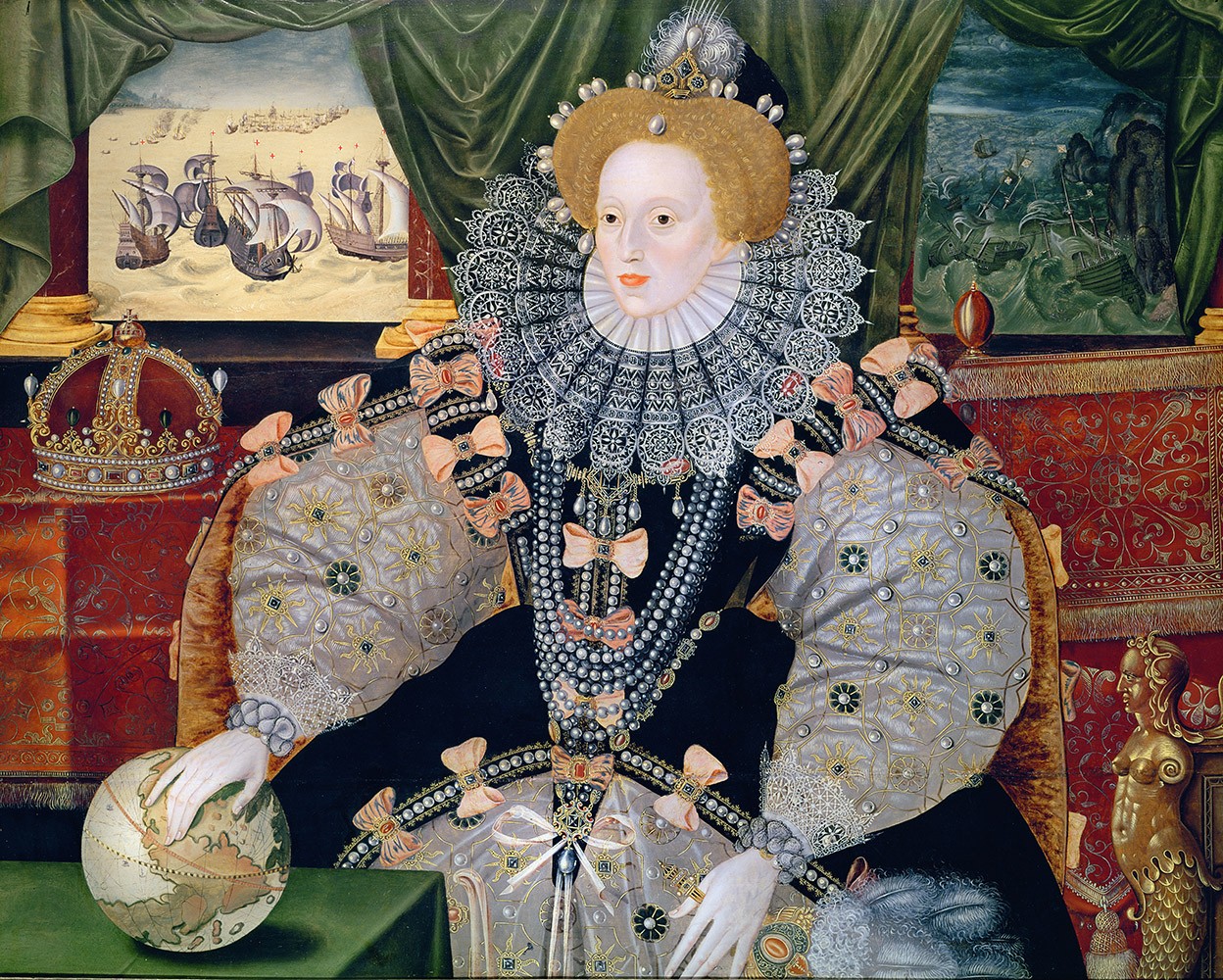
Elizabeth’s foreign policy balanced diplomacy with selective military engagement. Relations with Spain, France, and the Netherlands were persistent concerns. A defining military episode was the Spanish Armada of 1588, when a large Spanish fleet attempted to invade England; through a combination of naval action, weather, and English tactics, the Armada failed to achieve its objective. This event became emblematic of Elizabethan resistance to continental threats and boosted national morale. More broadly, Elizabeth navigated complex alliances and religious conflicts without embarking on large-scale continental conquests.
Personal life and legacy
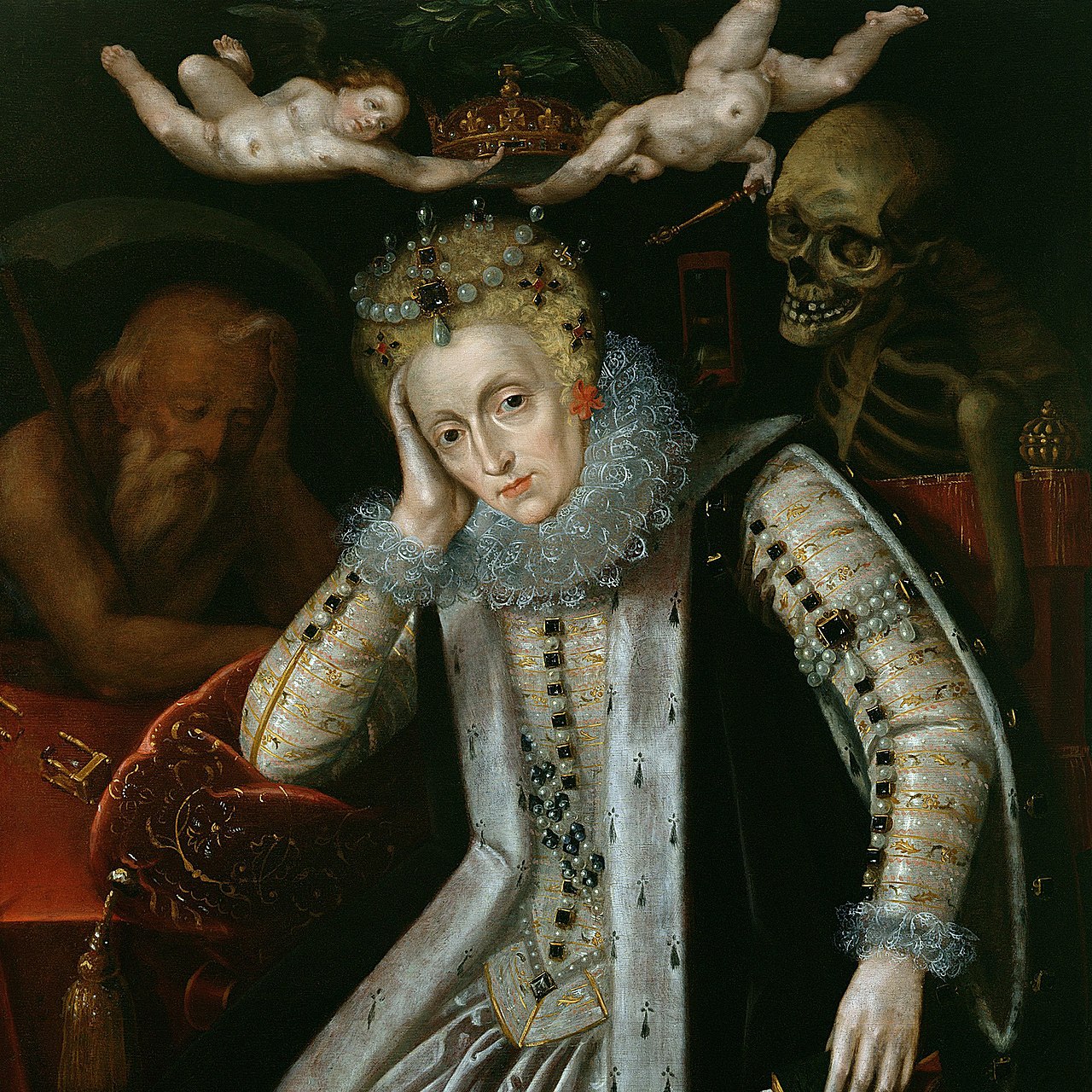
Elizabeth never married and used her unmarried status as a political instrument, cultivating an image of singular devotion to the realm. She maintained close relationships with several favourites at court, most notably Robert Dudley, Earl of Leicester, and later political tensions involved figures such as the Earl of Essex. Toward the end of her life, concerns about succession grew; she left no direct heir, and the crown passed to James VI of Scotland, uniting the crowns under the Stuarts. Elizabeth’s reign left a multifaceted legacy: a strengthened national church, an era of cultural achievement, expanded maritime activity, and enduring symbolic status in British history. For more detailed accounts of specific episodes and sites associated with her life, see resources such as the Tower of London (where she faced imprisonment early in her life) and histories of the Spanish Armada.
- Notable traits: political skill, literary patronage, skilled public image-making.
- Major outcomes: religious settlement, cultural renaissance, stronger naval reputation.
- Historical significance: final Tudor monarch; shaped England’s transition toward a more centralized, maritime power.
Questions and answers
Q: When was Elizabeth I Queen of England and Ireland?
A: Elizabeth I was Queen of England and Ireland from 17 November 1558 until she died in March 1603.
Q: What were some of the nicknames given to Elizabeth I?
A: Elizabeth I was known as Good Queen Bess, the Virgin Queen, or Gloriana.
Q: Who were her parents?
A: Her parents were King Henry VIII of England and Anne Boleyn.
Q: How did her life become troubled after Anne Boleyn's disgrace at court?
A: After Anne Boleyn's disgrace at court, Elizabeth's life became a troubled one, including being locked up in the Tower of London, an old prison, suspected of helping Queen Mary's enemies.
Q: What are some accomplishments attributed to her reign?
A: During her reign there were great achievements in the arts, trade, and exploration. She also ably defended her country through the days of the Spanish Armada.
Q: Did she ever marry?
A: No, she never married but claimed that she was married to England instead. She had a few other favourites including the Earl of Leicester.
Q: Who succeeded her upon death in 1603?
A: Upon her death in 1603 King James VI of Scotland was named as her successor.
Related articles
Author
AlegsaOnline.com Elizabeth I of England (1533–1603) Leandro Alegsa
URL: https://en.alegsaonline.com/art/118323
Sources
- royal.gov.uk : The Official Website of the British Monarchy: Elizabeth I (r.1558-1603)
- bbc.co.uk : BBC History: Elizabeth I
- bbc.co.uk : BBC History: Robert, Earl of Essex (1566 - 1601)
- wikidata.orgQ7207.html : wikidata.orgq7207.html
- authority.bibsys.no : 12072604
- bncatalogo.cl : 000039094
- catalogo.bne.es : XX977626
- catalogue.bnf.fr : cb32074443f
- data.bnf.fr : (data)
- cantic.bnc.cat : a1125354x
- ci.nii.ac.jp : DA02153851
- d-nb.info : 118529870
- isni.org : 0000 0001 2144 6237
- id.loc.gov : n79081709
- kopkatalogs.lv : 000111809