
Welsh people: identity, language, history and culture
An overview of the Welsh people: their language, cultural traditions, historical development, modern institutions, and global communities, with notes on identity and notable cultural practices.
Overview
The Welsh are the people originating from Wales, a distinct nation and historic territory within the United Kingdom. Many identify by ancestry, place of birth, or cultural participation. Wales is commonly described as a country with its own legal, cultural and educational traditions while remaining part of the UK political structure.
Image gallery
4 Images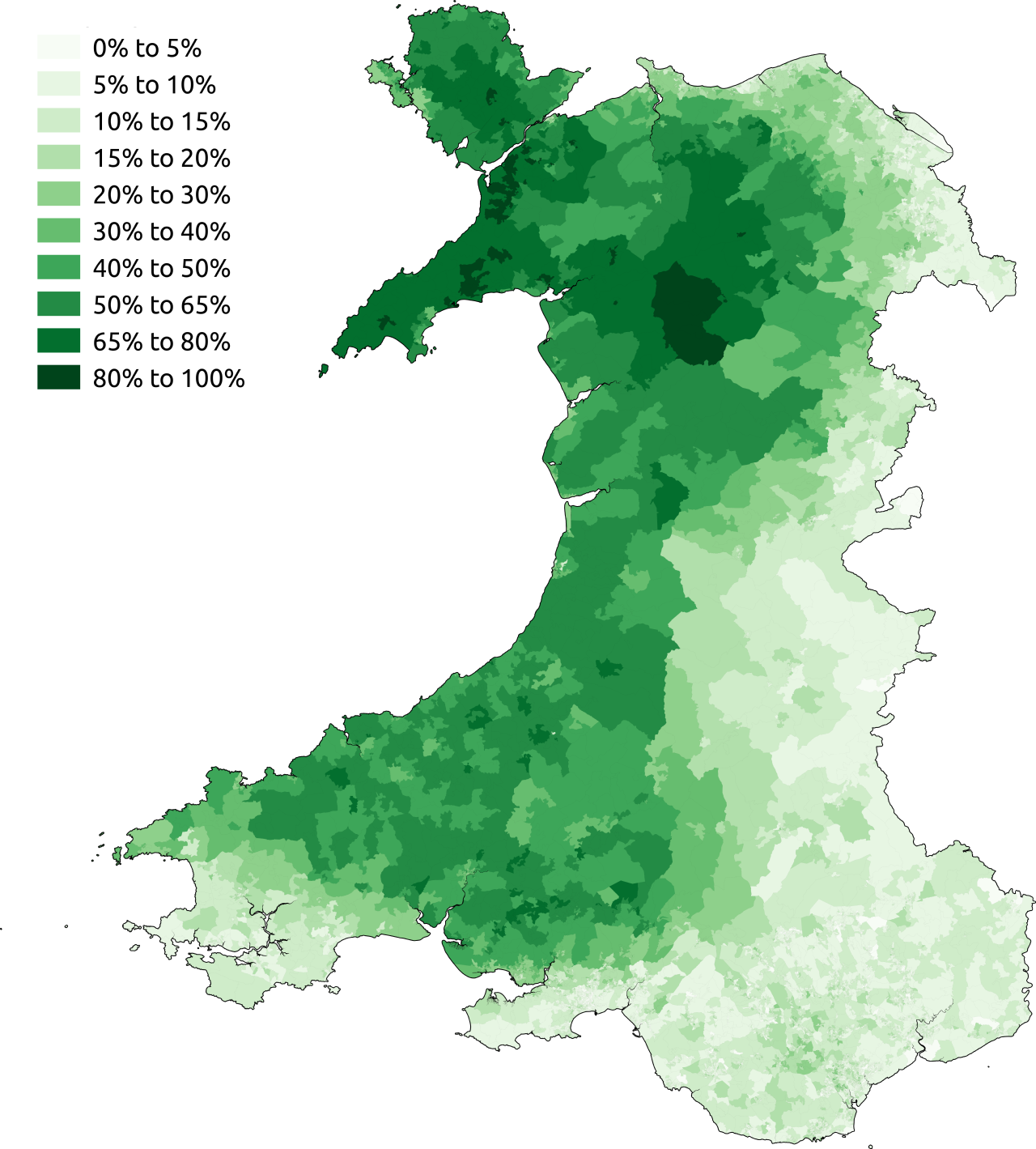


Language and identity
Welsh identity is closely connected to language. Two primary languages are spoken widely in daily life: English and the Celtic language Welsh (Cymraeg). Efforts to revive and sustain Welsh through schools, broadcasting and public services have increased the number of speakers and visibility of the language. Bilingual public signage and media reflect this dual linguistic presence, and many people are fluent in both, while some use other languages as well (languages).
Historical development
The Welsh trace roots to Celtic-speaking peoples who lived in the region before and after Roman rule. Medieval Welsh kingdoms, later Norman influence, and legal and administrative changes over centuries shaped modern Wales. Industrial expansion in the 18th and 19th centuries—especially coal, slate and steel—transformed society and helped forge a distinct working-class culture and political movements.
Culture, traditions and symbols
Wales has a rich cultural life with music, literature, festivals and sport prominent in public life. Notable elements include:
- the National Eisteddfod and choral singing traditions;
- rugby as a major social and national pastime;
- symbols like the red dragon, the daffodil and the leek, and observances such as St David's Day.
Modern society and institutions
Modern Wales has devolved political institutions and makes policy decisions in areas like education and health. Cities such as Cardiff and Swansea are cultural and economic centers, and community life ranges from urban neighborhoods to rural and coastal communities. Contemporary Welsh culture balances preservation of heritage with modern diversity.
Diaspora and notable facts
People of Welsh descent live across the world, including significant communities in other parts of Britain, North America, Australia and even a historic settlement in Patagonia. The Welsh contribute disproportionately to poetry, music and public life relative to their population, and initiatives continue to support the language and culture for future generations. For more on Wales and the Welsh people see general references and national resources (Wales, country, United Kingdom, languages, Welsh, English).
Related articles
Author
AlegsaOnline.com Welsh people: identity, language, history and culture Leandro Alegsa
URL: https://en.alegsaonline.com/art/107238