
Brokpa — highland communities of the western Himalaya and Karakoram
Brokpa denotes several small, culturally distinct highland communities chiefly in Gilgit‑Baltistan (Pakistan) and parts of Ladakh. They are noted for distinctive languages, traditions, and agro‑pastoral lifeways.
Overview
Brokpa (also spelled Drokpa or referred to in older accounts as Minaro) is a descriptive name applied to several small highland communities of the western Himalaya and Karakoram. These groups are most commonly associated with parts of Gilgit‑Baltistan and with isolated pockets in Ladakh (notably the Dha and Hanu valleys). The term covers culturally distinct populations rather than a single, uniform ethnicity: local identities and practices differ from valley to valley.
Image gallery
2 Images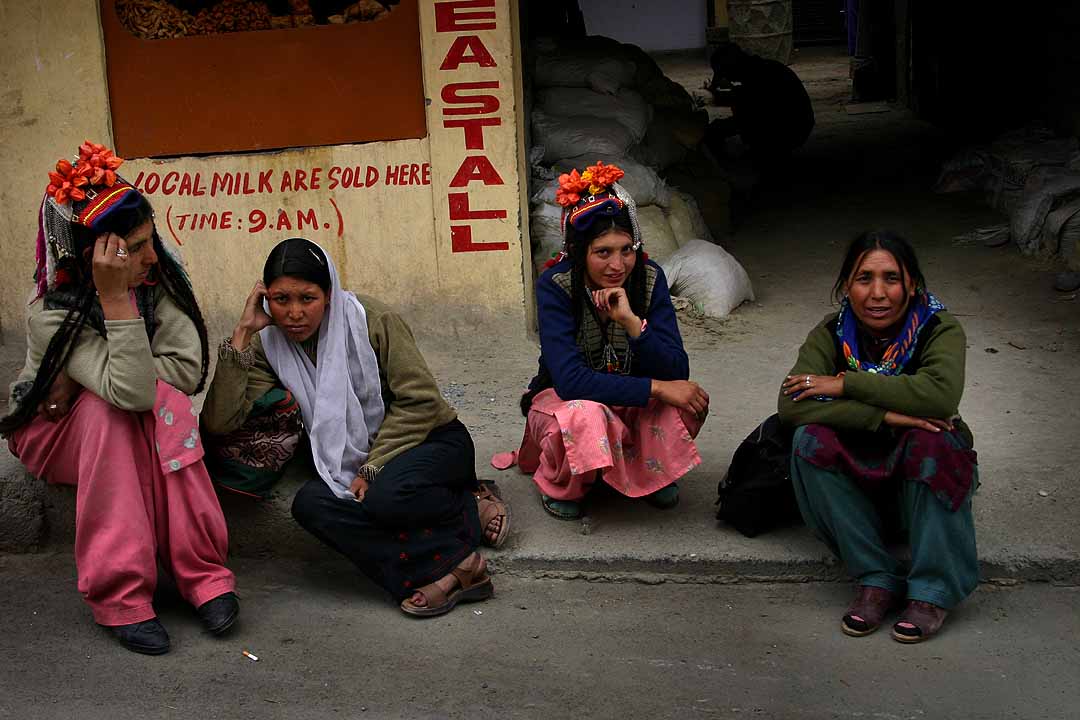

Distribution and language
Brokpa settlements occur in remote, high‑altitude valleys where agro‑pastoral economies predominate. Some communities speak Indo‑Aryan varieties often grouped under names such as Brokskat (or related dialects), while others use regional lingua francas like Shina, Balti or local Tibetic varieties. Language contact, bilingualism and local oral traditions are features of Brokpa speech communities and of interest to historical linguists.
Society, religion and material culture
Religious affiliation and social organization vary. In Ladakh many Brokpa have historically followed forms of Tibetan Buddhism and local ritual practice; in parts of Pakistan Brokpa communities are predominantly Muslim. Traditional material culture includes distinctive woven clothing, community rites, seasonal festivals and music, but specifics vary by valley. Households combine livestock herding with cultivation of hardy crops and household gardens adapted to short growing seasons.
Economy and contemporary change
Subsistence agro‑pastoralism remains important, supplemented increasingly by wage labor, market linkages and tourism. Improved roads, education and external influences bring economic opportunities but also pressures on traditional lifeways and languages. Local governance, migration and intermarriage shape ongoing change.
History and scholarly interest
European and regional travelers, colonial administrators and modern ethnographers have documented Brokpa communities since the 19th century. Scholars study them for insights into mountain adaptation, language history and cultural continuity. Popular accounts sometimes invoke ancient authors such as Strabo or Herodotus in broader discussions of highland peoples, but such links should be treated cautiously and assessed against modern historical and linguistic evidence. For regional context see materials on Pakistan.
Notes
The label "Brokpa" is descriptive and covers heterogeneous groups; specific cultural, linguistic and religious features must be understood at the local level. Readers seeking academic studies or ethnographic reports should consult specialized publications and field research for detailed, sourced accounts.
Related articles
Author
AlegsaOnline.com Brokpa — highland communities of the western Himalaya and Karakoram Leandro Alegsa
URL: https://en.alegsaonline.com/art/14645