
Strathclyde: region and early medieval kingdom of western Scotland
Strathclyde refers both to a former administrative region of western Scotland and to an early medieval Brittonic kingdom centered on the River Clyde and Glasgow.
Overview
Strathclyde is a name applied to two related but distinct entities in western Scotland: a modern administrative region created in the late 20th century and an earlier Brittonic kingdom whose territory lay along the River Clyde. The modern region had its principal city at Glasgow and encompassed much of the west-central lowlands and adjacent coastal areas. The name itself is derived from the river valley or strath of the River Clyde, a geographic feature central to the area's identity.
Image gallery
7 Images



Modern region and administration
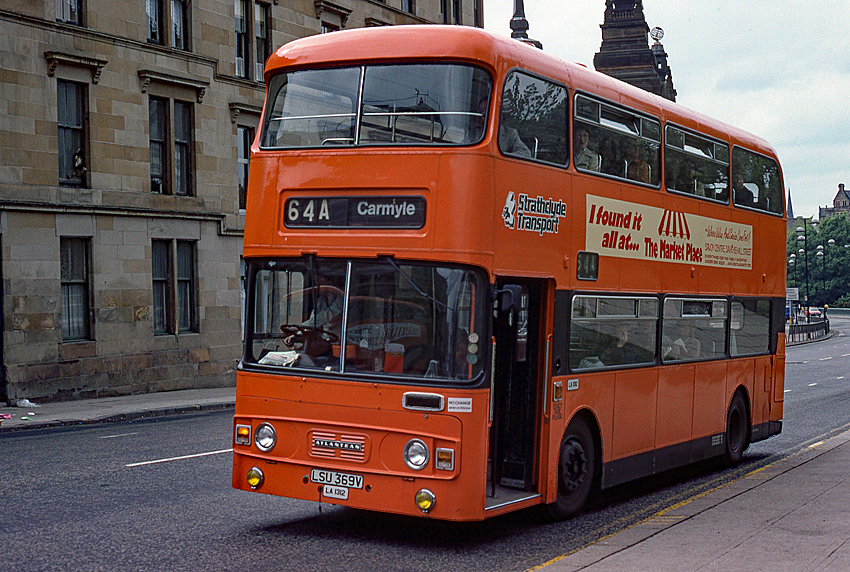
From the mid-1970s until the reorganisation of local government in the 1990s, Strathclyde functioned as one of Scotland's large regional authorities. It incorporated urban and rural districts, including major industrial and port centres, and provided services such as education, transport planning and regional infrastructure. The region's economy was long shaped by heavy industry, shipbuilding on the Clyde, and the commercial role of its principal city; over time these sectors underwent significant change and diversification. Today the term survives in institutional names and in common usage to describe the wider west-central area of Scotland.
Historical kingdom
Earlier history uses the same name for a powerful Brittonic polity often called the Kingdom of Strathclyde or Alt Clut (the Rock of the Clyde). Centered on a defensible site beside the Clyde, the kingdom played a prominent role in the politics of northern Britain during the early Middle Ages. It spoke a Brittonic language related to Welsh and Cumbric place-names and personal names survive in the region. Over several centuries the kingdom faced pressure from Norse raiders and neighbouring Gaelic and Anglo-Saxon rulers; its independence gradually diminished and its territories were incorporated into the emerging Kingdom of Scotland.
Characteristics and cultural legacy
- Geography: stretches along the River Clyde and its valleys, connecting inland routes with maritime approaches.
- Economy: historically prominent in shipbuilding, trade and heavy industry; more recently diversified into services and education.
- Culture: blended Brittonic, Gaelic and later Anglo-Scottish influences; placenames and archaeology reflect this mix.
Notable facts and significance
Strathclyde's dual identity—as a modern administrative region and as an early medieval kingdom—makes it important for studies of Scottish political development, urban growth around Glasgow, and linguistic change in Britain. The River Clyde remains a cultural and economic symbol of the area, and historical sites associated with the old kingdom continue to attract scholarly and public interest. For contemporary reference and travel information see regional summaries and local institutions for further context (regional overview).
Although administrative boundaries have changed, the name Strathclyde endures in universities, historical writing and the collective memory of western Scotland, linking present-day communities with a complex multilingual past.
Related articles
Author
AlegsaOnline.com Strathclyde: region and early medieval kingdom of western Scotland Leandro Alegsa
URL: https://en.alegsaonline.com/art/94205