
Middle English: the medieval stage of the English language
English used in England after the 1066 Norman conquest until the late 15th century; marked by French influence, changing grammar and pronunciation, diverse dialects, and major literary works.
Overview
Middle English denotes the form of the English language that developed in England after the Norman invasion of 1066 and persisted in most contexts until around the middle to late 1400s. It represents the transitional stage between Old English and Early Modern English. The period saw major changes in vocabulary, grammar and pronunciation as English absorbed influences from the languages of new rulers and contacts.
Image gallery
2 Images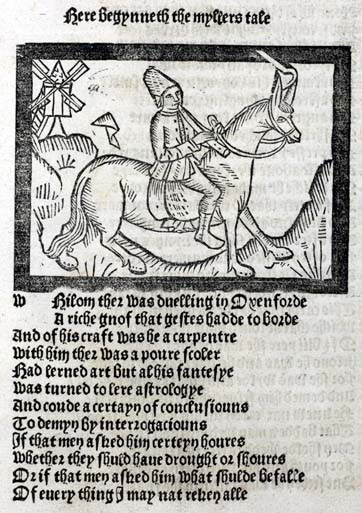

Key characteristics
Middle English is known for several linguistic developments that help distinguish it from its predecessor and successor. Typical features include a substantial influx of loanwords from French, simplification of the complex Old English inflectional system, shifts in word order and the gradual loss of many grammatical endings. Pronunciation also changed, setting the stage for later shifts such as the Great Vowel Shift.
- Vocabulary: increased number of French- and Latin-derived words.
- Grammar: fewer noun and adjective inflections, greater reliance on prepositions and word order.
- Pronunciation: evolving vowel qualities and consonant patterns.
Historical development
The social and political upheaval after William the Conqueror's arrival in England changed who spoke, wrote and taught English. Norman French became the language of the court and administration for several centuries, which encouraged bilingualism and lexical borrowing. Over time English reasserted itself in law, religion and literature; the late medieval period also saw efforts to standardize written forms.
Literature and notable writers
Middle English produced important literary works in a variety of dialects. The most famous poet is Geoffrey Chaucer, whose The Canterbury Tales exemplify narrative variety, humor and social observation in Middle English. Other significant texts include religious verse, allegory and the alliterative tradition represented by works such as Piers Plowman and Sir Gawain and the Green Knight.
Dialects and standardization
Regional differences were pronounced: scholars identify several dialects across the country, with phonology, vocabulary and spelling varying by area. In the later medieval period a written standard known as the Chancery Standard—linked to administrative London—began to gain prominence. The arrival of the printing press in the 1470s helped fix certain spellings and accelerate the move toward a more uniform written language.
Importance and legacy
Middle English is the bridge that connects Old English to the modern tongue. Its literature provides a window into medieval society and language change; many words introduced then remain in modern English. Study of Middle English informs historical linguistics, philology and the history of English-speaking cultures, and it remains a subject of academic study and public interest.
For further reading on phonology, grammar and key texts, consult specialist introductions and annotated editions of canonical works.
More on Middle English · Norman invasion context · Chronology · Old English background · William the Conqueror · French influence · 1470s and the press · Chancery Standard · Printing history · Medieval England · Early Modern English · Dialect studies · Chaucer · The Canterbury Tales
Related articles
Author
AlegsaOnline.com Middle English: the medieval stage of the English language Leandro Alegsa
URL: https://en.alegsaonline.com/art/64676
Sources
- glottolog.org : "Middle English"
- incubator.wikimedia.org : Middle English test