
Canadians: People, Identity, Language and Society
Overview of Canadians: legal and cultural identity, languages, Indigenous peoples, immigration history, citizenship, and defining social characteristics of Canada.
Overview
Canadians (French: Canadiens / Canadiennes) are people connected to the country of Canada by birth, residence, culture, ancestry or legal citizenship. The term encompasses a wide range of identities: Indigenous nations with centuries-old presence, descendants of early European settlers, later immigrant communities, and people whose personal or family histories cross multiple countries. For many, being Canadian combines legal status with cultural practices and social belonging.
Image gallery
4 Images


Language, culture and identity
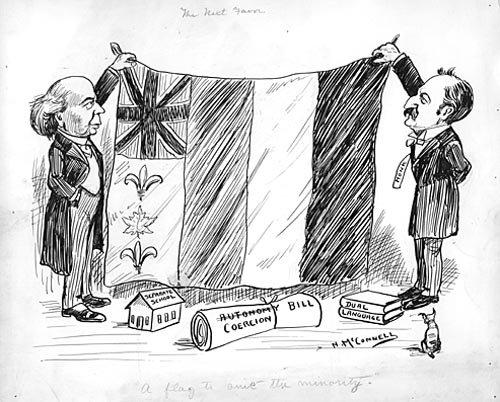
Canada is officially bilingual at the federal level, and linguistic identity is a major element of Canadian life. English and French are widely used in public institutions, education and media. Beyond language, Canada is often described as multicultural: a society in which multiple ethnic, religious and cultural traditions coexist and interact. The official policy of multiculturalism and everyday practices shape how communities maintain distinct traditions while participating in shared institutions.
Indigenous peoples and historical roots
Indigenous peoples — including First Nations, Inuit and Métis — are foundational to the land and histories of what is now Canada. Their presence predates European contact and remains central to contemporary discussions about rights, reconciliation and cultural revival. European exploration, colonization and settlement altered demographic patterns and political arrangements, producing complex relationships that continue to evolve.
Immigration and demographic development
Immigration has been a defining force in Canada’s population growth and composition. Waves of migration from Europe, Asia, Africa and elsewhere have contributed to urban diversity and rural settlement. Many Canadians today trace their heritage to arrivals from the so-called Old World, but recent decades have seen increasing proportions of newcomers from Asia, Africa and Latin America. This ongoing movement of people affects languages spoken, religious practices and economic life.
Legal status and citizenship
Formal membership in the Canadian polity is established through citizenship and permanent residency. Canadian citizenship confers rights such as voting, work and social protections, while immigration status categories regulate settlement and mobility. Dual or multiple citizenship is permitted in many cases, allowing people to hold legal ties to Canada and other countries simultaneously.
Characteristics, symbols and contemporary issues
Common features associated with Canadians include public health and education systems, participation in democratic institutions, and an emphasis on social pluralism. National symbols — such as the maple leaf — appear alongside provincial emblems and Indigenous cultural expressions. Contemporary public debates often focus on reconciliation with Indigenous peoples, immigration policy, language rights and how to balance diversity with social cohesion. For more on multiculturalism in Canada see further resources.
- Languages: English and French (official), numerous Indigenous and immigrant languages.
- Key concepts: citizenship, multiculturalism, bilingualism, Indigenous rights.
- Common contexts: urban diversity, regional differences, evolving national identity.
Tags
Related articles
Author
AlegsaOnline.com Canadians: People, Identity, Language and Society Leandro Alegsa
URL: https://en.alegsaonline.com/art/16486
Sources
- www5.statcan.gc.ca : "CANSIM – 051-0005 – Estimates of population, Canada, provinces and territories"
- asiapacific.ca : "Canadians Abroad: Canada's Global Asset"
- diplomatie.gouv.fr : Canada
- gulfnews.com : "Canada may limit services for dual citizens"
- de.statista.com : "Anzahl der Ausländer in Deutschland nach Herkunftsland (Stand: 31. Dezember 2014)"
- omi.gob.mx : "Población inmigrante residente en México según país de nacimiento, 2015"