
Roman Britain (Britannia) — Roman province in Great Britain
Roman Britain was the part of the island of Great Britain governed by the Roman Empire from about AD 43 to c. 410. It developed towns, roads, forts and left a rich archaeological legacy.
Overview
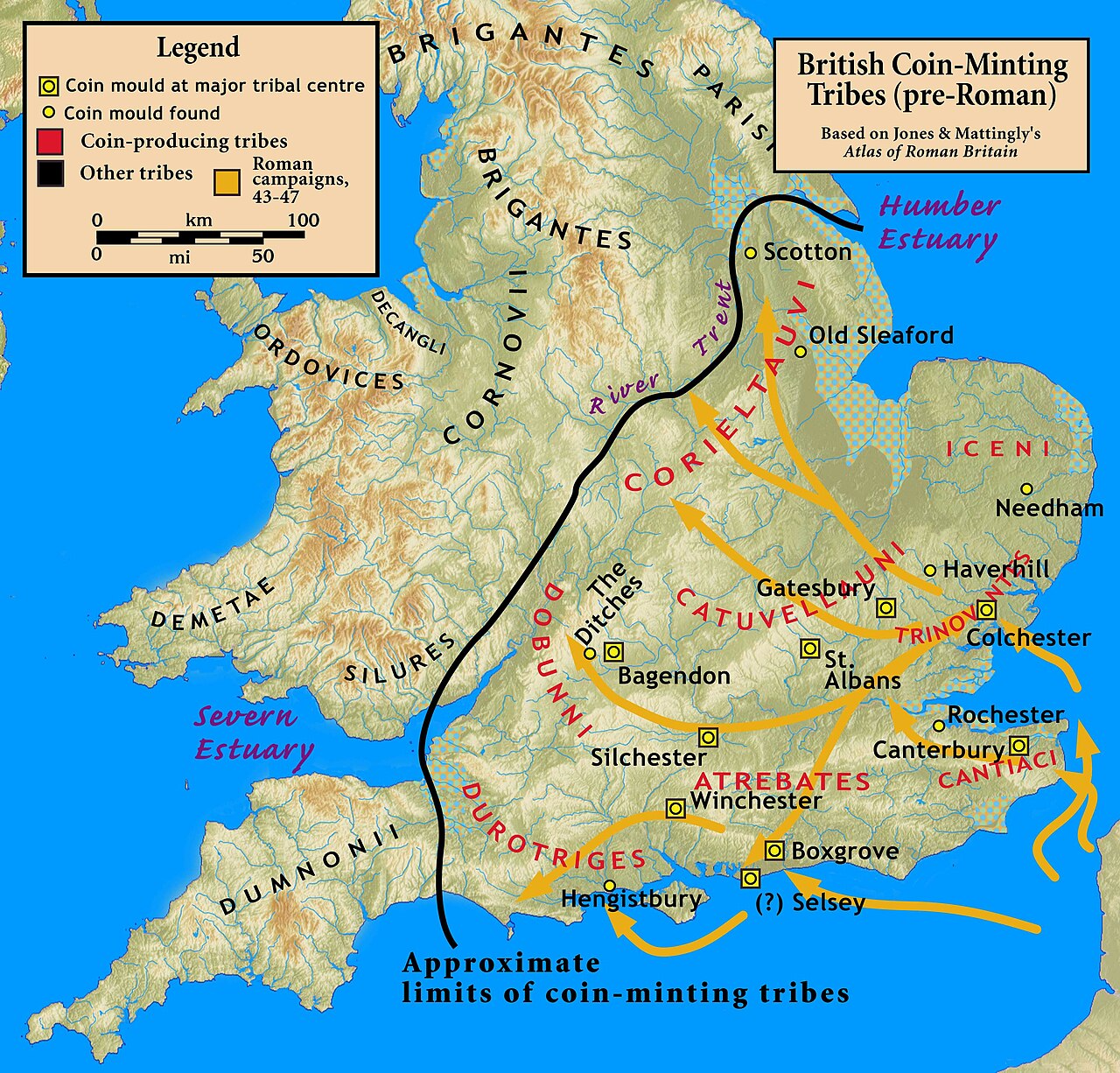
Roman Britain, often called Britannia by contemporary Romans, was the portion of the island of Great Britain brought under the control of the Roman Empire in the first centuries AD. Roman rule began in earnest after an invasion directed by the emperor Claudius and continued in varying degrees until Roman administration and troops were withdrawn in the early fifth century. The period is characterised by administrative organisation, military presence, and cultural and economic exchange between native populations and newcomers.
Image gallery
10 Images




Administration and military
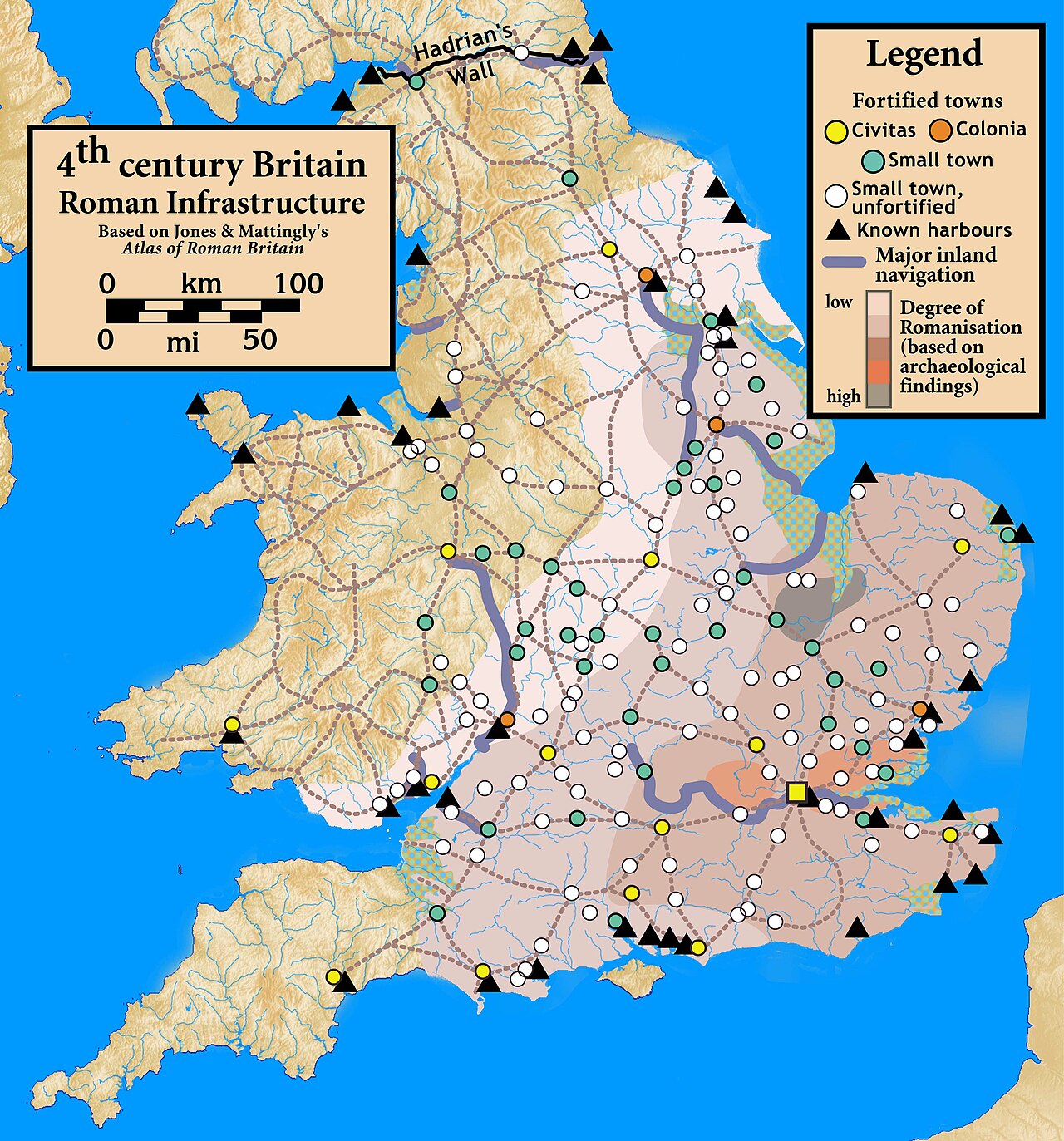
The province was governed by officials appointed by Rome and defended by legionary and auxiliary units stationed at forts and along frontier works. The construction of engineered boundaries such as Hadrian's Wall illustrates the military and administrative efforts to control movement and secure territory. Over time the single province was sometimes subdivided for more efficient civil and military management.
Society, economy and towns
Under Roman influence many settlements developed into towns with planned streets, public buildings, markets and baths. Agriculture remained important, but trade expanded: imported pottery, wine and metalwork circulated alongside locally produced goods. Wealthy landowners built villas; coins and inscriptions show a mix of Roman and indigenous identities in daily life.
Culture, religion and notable events
Roman Britain saw the introduction of Roman architecture, legal practices and religious cults, while native traditions persisted and adapted. Christianity made inroads before the end of Roman rule. Resistance to Roman rule is remembered in episodes such as the uprising led by the Iceni queen Boudica, which resulted in violent confrontations and later reprisals.
Archaeology and legacy
Today the period is known through archaeology: fortifications, villas, mosaics, roads, coins and everyday objects provide evidence of urban life and rural economy. Sites such as Roman towns, baths and military sites attract visitors and remain important sources for understanding the era. Museums display finds that illuminate connections across the empire and local adaptation.
Key features and lasting impact
- Infrastructure: roads and bridges that shaped travel routes for centuries.
- Urban life: towns with baths, forums and public buildings.
- Military presence: forts, walls and garrisons.
- Archaeological record: mosaics, pottery, coins and inscriptions.
After the end of effective Roman rule, local political landscapes changed and new powers emerged, but the material and institutional traces of Roman Britain continued to influence the island's later development.
Related articles
Author
AlegsaOnline.com Roman Britain (Britannia) — Roman province in Great Britain Leandro Alegsa
URL: https://en.alegsaonline.com/art/83839
Sources
- penelope.uchicago.edu : 60.19-22
- adviceandresearch.blogspot.com : "Vespasiana" province in Roman Caledonia