
Alfred, Lord Tennyson
Victorian England's leading poet laureate whose lyrical music, Arthurian narratives and elegiac verse shaped 19th‑century English poetry and national taste.
Alfred, Lord Tennyson (1809–1892) was one of the most widely read English poets of the 19th century. Appointed Poet Laureate of the United Kingdom in 1850, he held the office for more than four decades and became a defining voice of the Victorian era. Tennyson blended keen attention to sound and metre with themes drawn from history, myth and personal loss, producing short lyrics and long narrative poems that remained popular with readers in his lifetime and beyond.
Image gallery
10 Images



Life and career
Born in 1809, Tennyson showed early literary promise and published his first volumes of poetry while a young man. The death of his close friend Arthur Hallam inspired the elegiac sequence In Memoriam, a work that consolidated his reputation and explored grief, faith and consolation. In public life he performed the ceremonial and political duties of the laureateship while continuing to publish new material, and in later life was elevated to the peerage as 1st Baron Tennyson.
Themes and poetic form
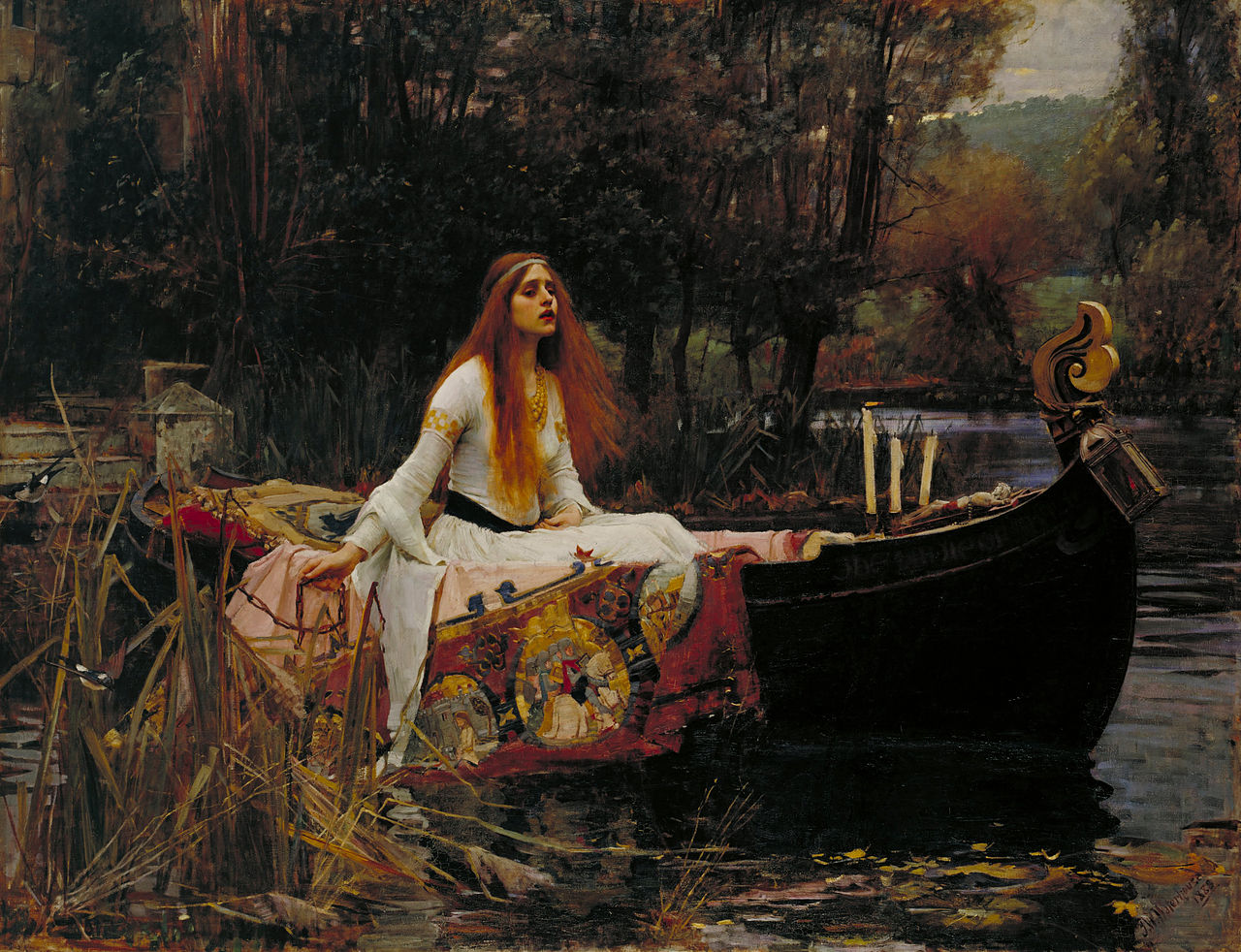
Tennyson's work ranges from intimate lyrics to elaborate blank‑verse narratives. He is noted for the musical cadence of his lines, inventive use of stress and rhyme, and mastery of both strict lyric metre and unrhymed blank verse. Frequently he drew on classical mythology and medieval legend to address contemporary questions about duty, heroism and mortality. Many of his best‑known poems — including Ulysses, "Tithonus" and "The Lady of Shalott" — take the form of dramatic or reflective monologues that reveal an individual consciousness confronting change and loss.
Major works and examples
- In Memoriam — an extended elegy and meditation on death and faith.
- Idylls of the King — a retelling of Arthurian legend in a series of narrative poems.
- Short lyrics — including "Break, break, break", "Tears, idle tears" and "Crossing the Bar".
- Occasional and topical pieces — such as The Charge of the Light Brigade, written in response to contemporary events.
He also experimented with drama, though his plays met with less success than his poetry. Even when critics quarreled with his sentiment or mannered diction, readers continued to admire his technical skill and emotional expressiveness.
Importance and legacy
Tennyson's influence is visible in how Victorian taste for the picturesque, moral earnestness and historical imagination was expressed in verse. His work helped popularise Arthurian material for a broad readership and demonstrated how traditional forms could address modern anxieties about science, faith and national identity. Over time his popularity has waxed and waned: scholars debate the strengths and limitations of his outlook, but his poems remain frequent subjects of teaching and anthologising.
Today, Tennyson is remembered both for individual masterpieces and for the way his language captured the rhythms of Victorian consciousness. Readers encounter him through classroom anthologies and public commemoration, and scholars continue to explore his formal innovations, use of myth and responses to the social and intellectual currents of his age.
Selected readings and resources: see editions and critical studies for annotated texts and historical context; for introductions to particular poems consult dedicated commentaries and reliable online repositories. For a quick look at his ceremonial role and place in 19th‑century culture, the office of the Poet Laureate and background on the Victorian era provide useful starting points.
Further exploration: compare Tennyson's blank‑verse narratives with other 19th‑century long poems, read his shorter lyrics aloud to sense their musical craft, and consider how works such as Ulysses or The Charge of the Light Brigade respond to questions of public duty and private longing.
Questions and answers
Q: Who was Alfred Tennyson?
A: Alfred Tennyson was a Victorian era poet and the Poet Laureate of the United Kingdom.
Q: What type of poetry was Tennyson known for?
A: Tennyson was excellent at writing short lyrics and much of his verse was based on classical mythological themes.
Q: What are some examples of Tennyson's short lyrics?
A: Some examples of Tennyson's short lyrics include In the valley of Cauteretz, Break, break, break, The Charge of the Light Brigade, Tears, idle tears, and Crossing the Bar.
Q: Did Tennyson write any notable blank verse?
A: Yes, Tennyson wrote notable blank verse works such as Idylls of the King, Ulysses, and Tithonus.
Q: Was Tennyson successful as a playwright?
A: No, Tennyson attempted drama, but his plays were not very successful.
Q: When was Tennyson born and when did he die?
A: Tennyson was born on August 6, 1809, and died on October 6, 1892.
Q: Why is Tennyson still popular today?
A: Tennyson remains one of the most popular poets in the English language due to his excellent writing skills and poetic themes.
Tags
Related articles
Author
AlegsaOnline.com Alfred, Lord Tennyson Leandro Alegsa
URL: https://en.alegsaonline.com/art/2495
Sources
- victorianweb.org : "The warfare of conscience with theology"
- wikidata.org : wikidata.org/wiki/Q173869
- catalogo.bne.es : XX830722
- catalogue.bnf.fr : cb118876867
- data.bnf.fr : (data)
- cantic.bnc.cat : a11118155
- d-nb.info : 118621327
- isni.org : 0000 0001 2101 7424
- id.loc.gov : n79142936
- musicbrainz.org : 9a503622-1d3b-48f7-9755-d0a1726a1e55
- id.ndl.go.jp : 00526694
- aleph.nkp.cz : jn20000605292
- nla.gov.au : 35543488
- nl.go.kr : KAC199627270
- data.bibliotheken.nl : 06835259X