
Spanish Armada (1588) — the attempted invasion of England
A large Spanish naval expedition sent by Philip II in 1588 to support an invasion from Flanders and challenge Elizabethan England. It failed after a series of sea actions, use of fireships and severe storms.
Overview: The Spanish Armada was a major late 16th‑century naval expedition sent by Philip II of Spain against England in 1588. Conceived as a combined operation to escort an army from Flanders for an invasion, the Armada represented Spain's attempt to end English support for privateering and Protestant resistance, and to restore Catholic influence in England. The campaign and its failure became one of the defining events of the Elizabethan era.
Image gallery
10 Images


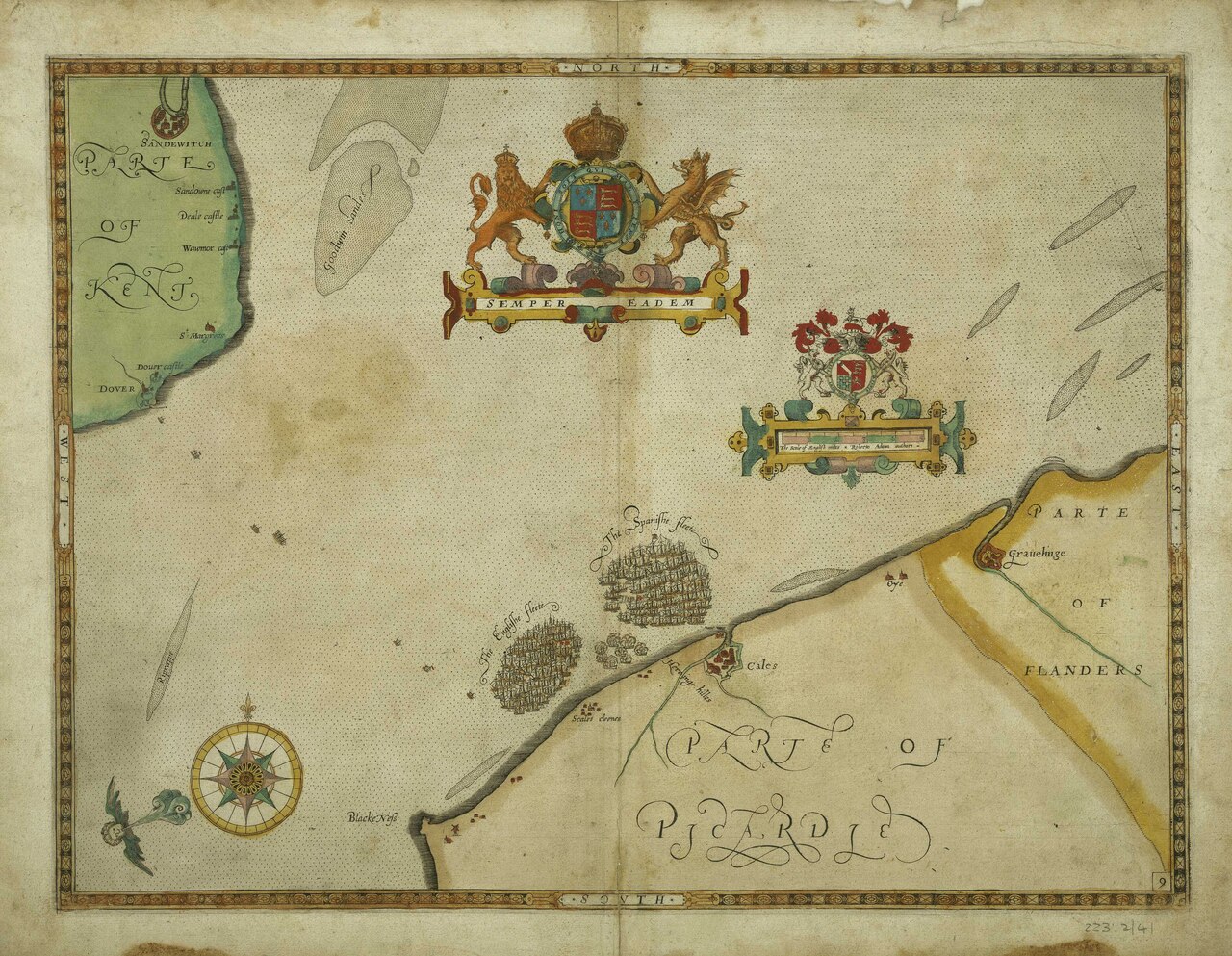


Organisation, ships and commanders
The expedition is often described as a large naval fleet or Spanish fleet composed mainly of galleons, armed merchantmen and support vessels. It carried sailors, soldiers and supplies intended to link up with land forces under the Spanish commander in the Low Countries. The fleet's overall plan required precise timing and control of the sea lanes, but it confronted logistical challenges and command difficulties. The appointed fleet commander, the Duke of Medina Sidonia, had noble rank but little experience at sea; this contrast with England's naval leaders affected morale and decision‑making.
The English defence was organised under the crown of Elizabeth I and its Royal Navy, with ships operating from ports such as Plymouth. English vessels were generally smaller, faster and more manoeuvrable than many Spanish galleons, a factor exploited in the engagements that followed.
Campaign, tactics and turning points
Contact between the fleets took place in the English Channel. The English employed long‑range gunfire and hit‑and‑run tactics to harry the larger Spanish force. A notable episode involved use of fireships to scatter Spanish vessels that were anchored in a vulnerable formation; exposed and disrupted, the Armada gave ground and lost cohesion. Following these clashes, the Spanish decision to retreat north and then east around Scotland and Ireland exposed many ships to violent autumn storms, which caused the loss of a significant number of vessels and men.
A popular myth from English tradition tells of Sir Francis Drake finishing a game of bowling before engaging the Armada; the anecdote reflects the period's storytelling about boldness, though it appears in sources written long after the events and should be treated cautiously.
Aftermath and significance: The Armada's failure did not end Spanish power but it had symbolic and practical consequences. England's naval reputation was enhanced, privateering and maritime enterprise increased, and the event influenced naval tactics and ship design. The following year England launched a counter‑armada that also failed, underscoring the complexity and cost of maritime warfare in the age of sail. For historians the episode remains a study in logistics, command, coastal operations and the role of weather in naval history.
- Key aims: escort invasion force, neutralise English sea power, political and religious goals.
- Main factors in failure: English tactics and seamanship, command problems, and severe weather.
- Longer term: accelerated English naval development and enduring cultural memory.
Related articles
Author
AlegsaOnline.com Spanish Armada (1588) — the attempted invasion of England Leandro Alegsa
URL: https://en.alegsaonline.com/art/92475