
Cornwall (Kernow): a county and Celtic region in southwest England
Cornwall is a historic, coastal county at England’s southwestern tip, known for its Celtic heritage, coastal landscapes, mining history, Cornish language, and a tourism-driven economy centered on towns like Truro and Newquay.
Overview
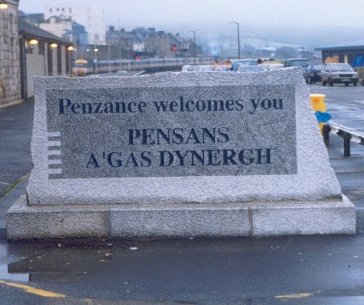
Cornwall (Kernow in Cornish) lies at the far southwest of England. Its long coastline, mild maritime climate and distinctive cultural identity set it apart within the United Kingdom. The county is associated with a Celtic heritage and a continuing revival of the Cornish language. Cornwall is administered from Truro, the county’s only city and the seat of the Diocese of Truro.
Image gallery
10 Images




Geography and landscape
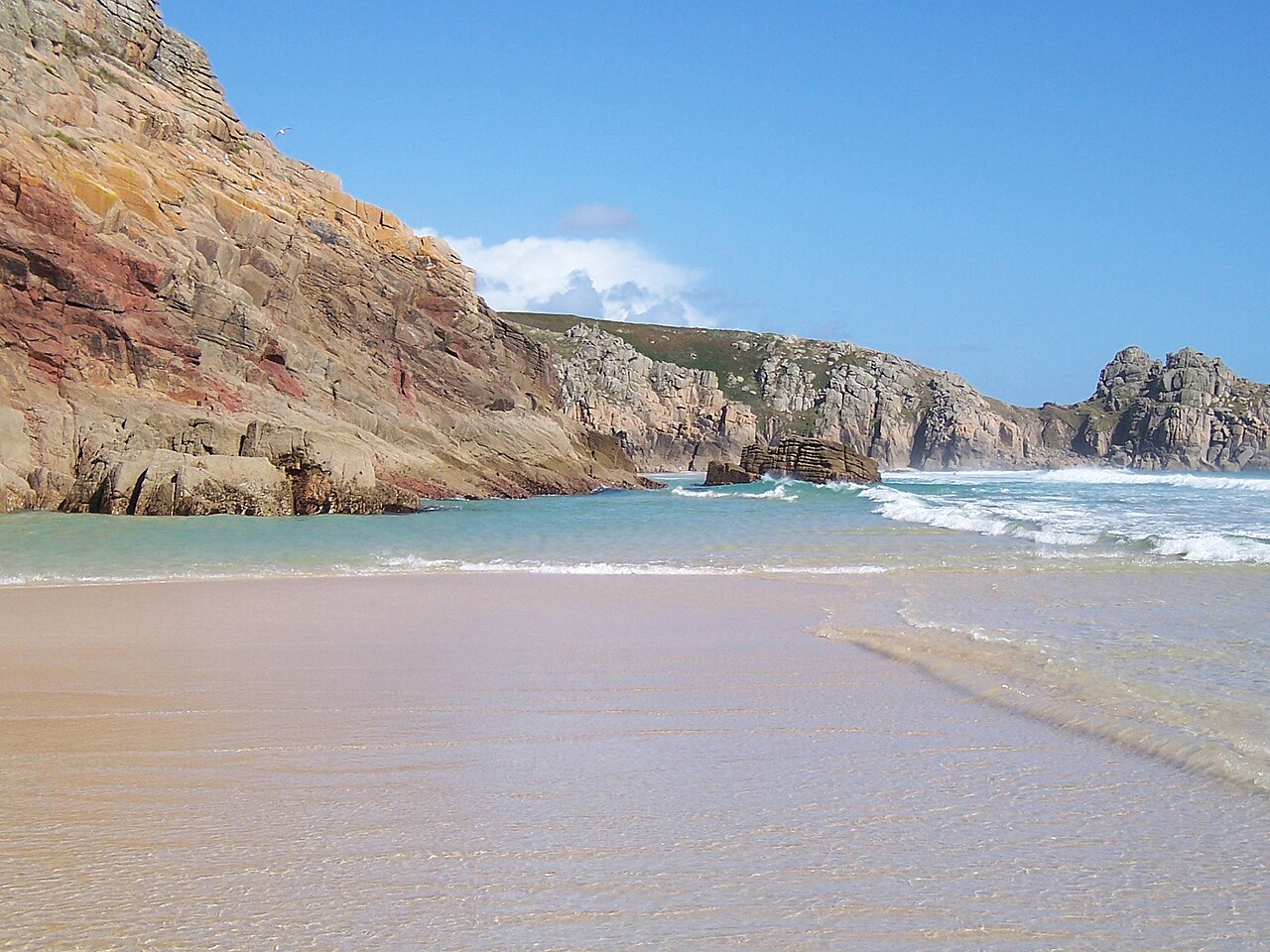
Cornwall is a peninsula bordered to the east by the River Tamar, which separates it from Devon. The coastline includes dramatic cliffs, sandy beaches and sheltered coves; notable areas include the Lizard Peninsula and Land’s End. The county’s varied scenery supports nationally important wildlife sites, coastal paths and popular gardens that benefit from an unusually mild climate.
History and identity
Historically Cornwall developed distinct social and linguistic traditions rooted in its Celtic past. Mining for tin and copper shaped 18th–19th century life and left a strong architectural and industrial legacy: parts of Cornwall and nearby West Devon are recognised as a UNESCO World Heritage mining landscape. The Duchy of Cornwall, an estate associated with the Prince of Wales, retains historic links to the area (Duchy of Cornwall).
Culture, language and people
The Cornish people maintain traditions in music, festivals and place names. A revival of Cornish and efforts to teach and display the language have grown in recent decades. Cornish identity is visible in symbols such as the St Piran’s flag and in community events that celebrate local crafts, food and folklore.
Economy, tourism and places of interest
Tourism is a major economic driver: seaside resorts like Newquay, historic fishing ports and walking routes attract visitors year-round. Attractions include the Eden Project, National Trust sites, and a coastline threaded by the South West Coast Path. Agriculture, fishing and creative industries also contribute to the local economy.
Administration and notable facts
Since 2009 Cornwall has been governed as a unitary authority centred on Truro. The region maintains ties to wider British institutions while promoting its distinct cultural profile. For further context about local communities and the Cornish people, see resources on the Cornish people and local guides to Cornwall. Practical visitor information and transport options are available through regional portals and tourist boards based in Truro and elsewhere.
Related articles
Author
AlegsaOnline.com Cornwall (Kernow): a county and Celtic region in southwest England Leandro Alegsa
URL: https://en.alegsaonline.com/art/23174
Sources
- cornwallinfocus.co.uk : "The Isles of Scilly - Shipwrecks and Valhalla"