
Western United States: geography, history, and cultural significance
Region comprising the United States' western states; its changing boundaries, varied landscapes, history from indigenous peoples to frontier expansion, and modern economic and environmental roles.
The Western United States—often called the American West or simply the West—refers to the broad swath of U.S. territory lying west of older population centers. Definitions have shifted as the nation expanded: eighteenth‑century maps often treated the Appalachian Mountains as the edge of settled lands, while later accounts sometimes use the Mississippi River as a convenient eastern limit. Contemporary descriptions typically mean the group of westernmost states within the United States, a region with dramatic geographic contrasts and a distinct cultural identity.
Image gallery
10 Images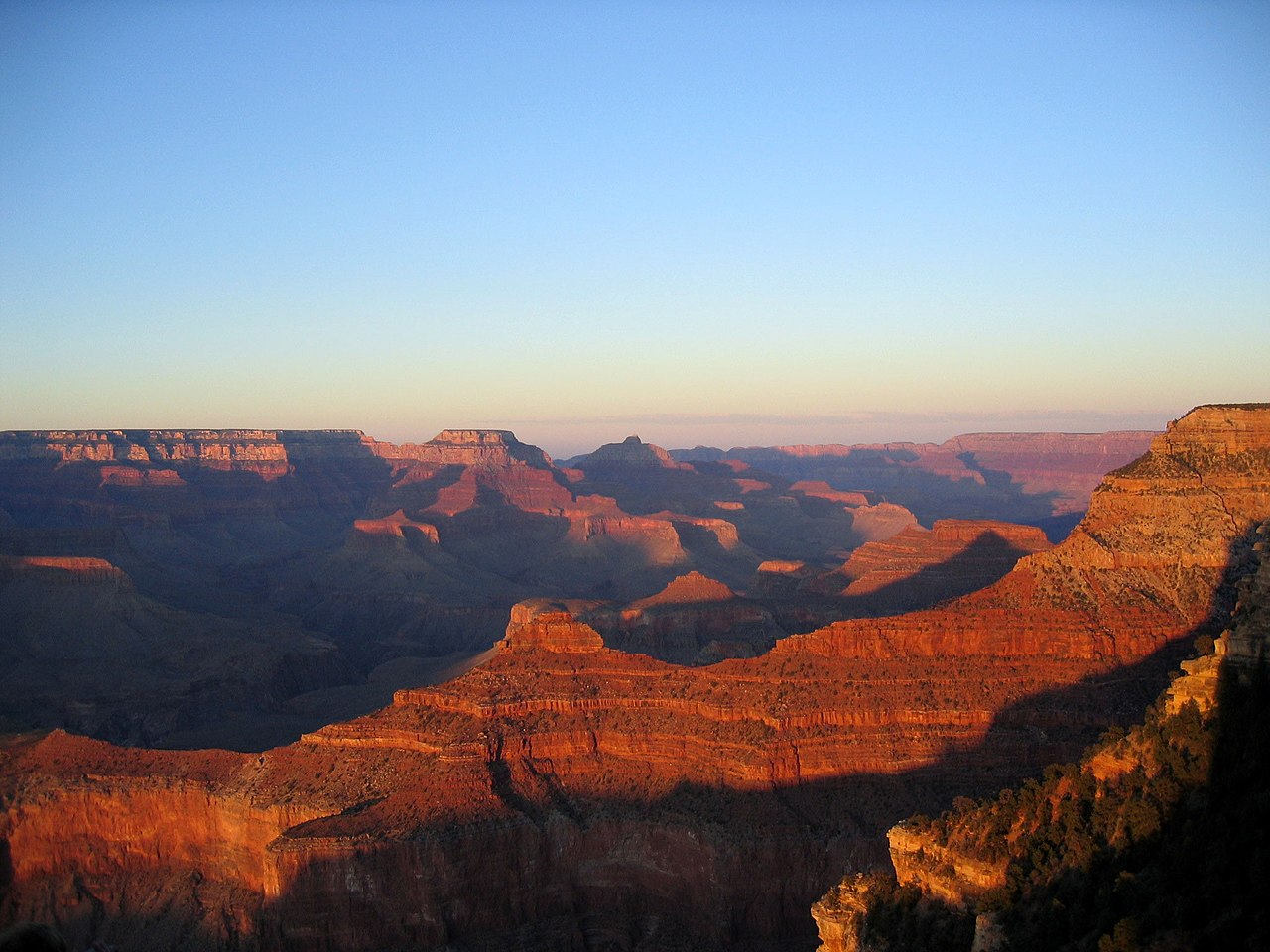




Geography and subregions
The West contains a variety of landscapes: rugged coastal ranges and broad Pacific beaches, the high peaks and plateaus of the Rocky Mountains, arid basins and deserts in the interior, and volcanic islands and tropical coasts in the far west. Geographers and planners often separate the area into the Mountain States and the Pacific States to reflect these differences. Major river systems, such as the Columbia and Colorado, shape ecosystems and human settlement, while Alaska and Hawaii contribute unique climates and ecological zones.
States commonly included
The U.S. Census Bureau groups a set of states as the Western region; these states illustrate the region's diversity in climate, population, and economy:
These states are the Census Bureau's conventional grouping for statistical and administrative purposes; local perceptions of "the West" can vary by culture and context.
Historical development
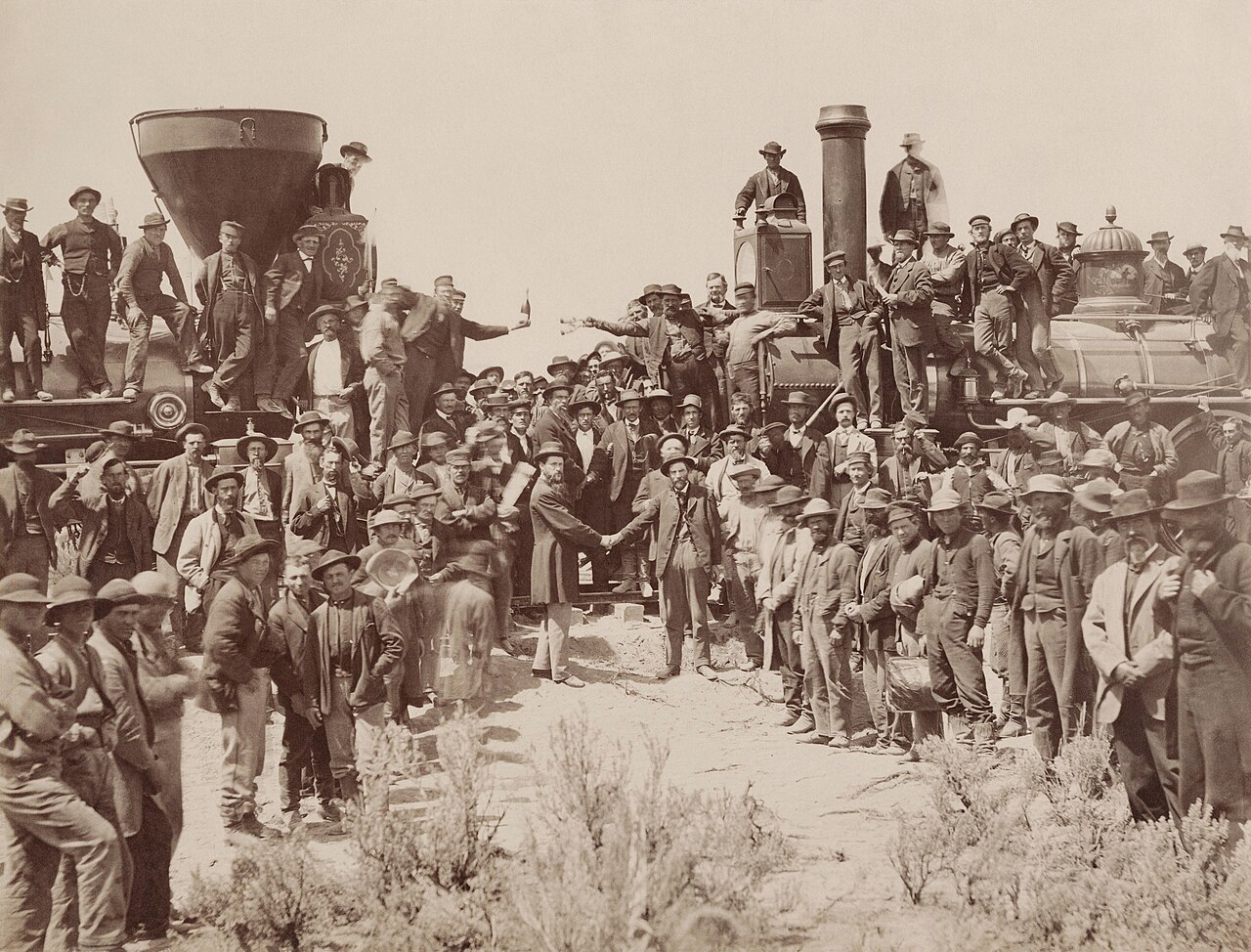
The region's human history began long before European contact with diverse indigenous nations whose cultures and lands extended across the area. From the sixteenth century onward, European powers and later the United States established colonies, trading posts, and territories. Landmark episodes—Spanish missions in the Southwest, Russian Alaska, the Louisiana Purchase, the Lewis and Clark expedition, the California Gold Rush, and the construction of transcontinental railroads—reconfigured settlement and governance. The image of the frontier and the American Old West has been a prominent theme in national memory and popular culture, reflected in literature, film, and folklore (American Old West, folklore).
Economy, culture, and environment
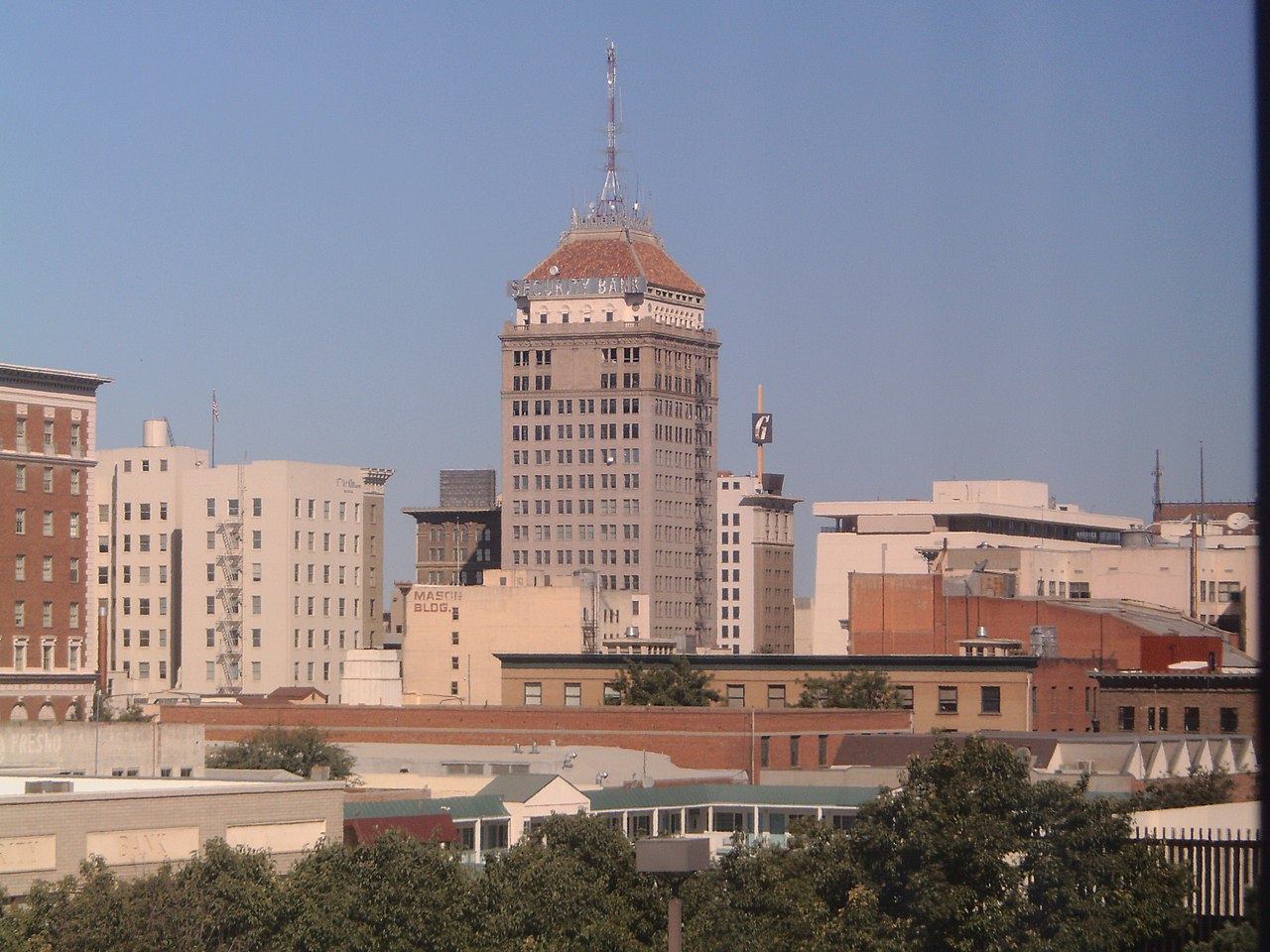
The contemporary West plays outsized roles in several sectors: technology and entertainment hubs along the Pacific coast, major agricultural production in irrigated valleys, energy extraction and mining in mountain and desert areas, and large tourism and recreation industries built around national parks and scenic landscapes. Cities such as Los Angeles, San Francisco, Seattle, Phoenix and Denver are regional anchors, while wide rural areas remain important for ranching and conservation. Environmental issues—water scarcity, wildfire, habitat protection, and the management of public lands—are central to policy debates across the region.
Distinctive features and contemporary significance
Notable distinctions of the West include the presence of two noncontiguous states, Alaska and Hawaii, a flattering range of climates from temperate rainforests to high alpine tundra and hot deserts, and persistent cultural themes tied to mobility, natural resource use, and frontier myth. The West's mix of innovation centers, resource wealth, indigenous communities, and protected landscapes makes it a region of both economic dynamism and complex environmental challenges. For statistical classification and policy analysis the U.S. Census Bureau provides one common framework, but the region remains heterogeneous and evolving.
Further reading can explore regional subcultures, the legacies of colonization and indigenous resilience, the role of federal land policy, and contemporary urban‑rural dynamics shaping the Western United States today.
Related articles
Author
AlegsaOnline.com Western United States: geography, history, and cultural significance Leandro Alegsa
URL: https://en.alegsaonline.com/art/107541