
U.S. state: subnational governments of the United States
A U.S. state is a constituent political unit of the United States with its own constitution and government, sharing sovereignty with the federal government and represented in Congress and the Electoral College.
Overview
A U.S. state is a primary political subdivision within the federal system of the United States. There are fifty states in the union, each organized under its own constitution and a government that enacts laws for matters within its territory. States exist within a framework of federalism, which divides authority between state and national institutions; this relationship is sometimes described as a federation.
Image gallery
4 Images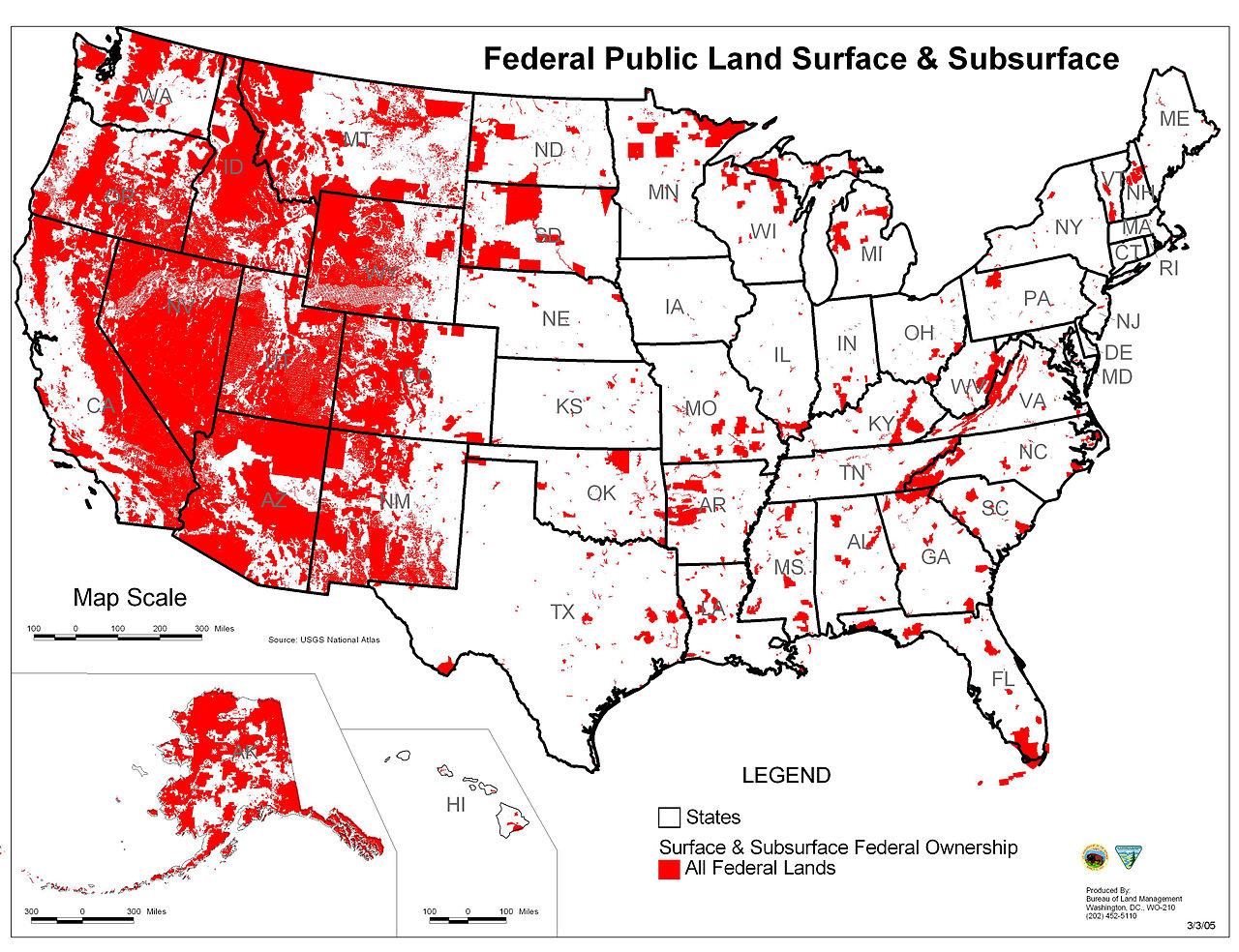
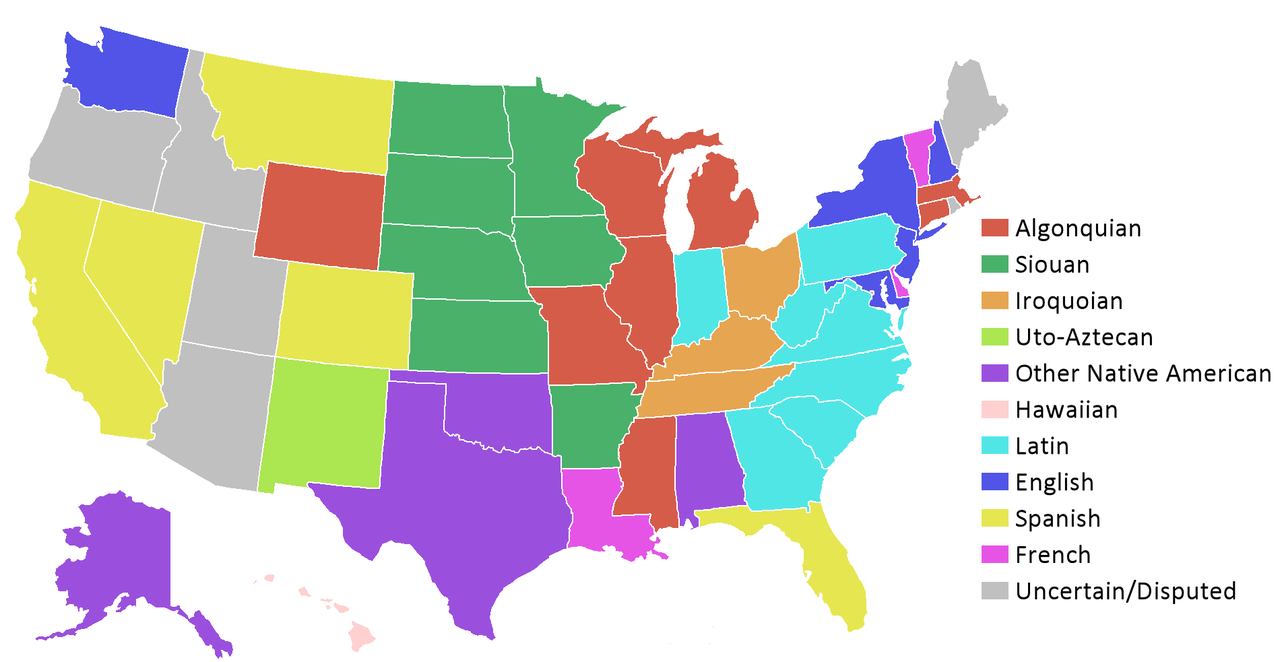


Structure and powers
Every state has three branches of government — executive, legislative, and judicial — patterned after the national model but varied in form and detail. State governments exercise many powers not delegated to the federal government, often referred to as states' rights or reserved powers. Citizens are simultaneously members of a state and of the United States, enjoying both state and federal citizenship and protections.
Territory, mobility and exceptions
States cover defined geographic areas and typically subdivide them into counties, parishes, boroughs, or other units for local administration; these units are not sovereign and derive authority from the state. Residents may move between states freely unless restricted by a court order or specific legal condition. Sovereignty in the U.S. is shared: states retain substantial autonomy in domestic affairs while remaining subject to the Constitution and federal law.
Representation and national roles
Each state sends elected officials to the national legislature: two senators in the Senate and a number of representatives in the House of Representatives proportional to population. States also select presidential electors to participate in the Electoral College, which formally chooses the President. State law and practice shape many aspects of national politics through voting rules, ballot access, and administration.
Local government and administration
Within states, counties or equivalents may be granted varying degrees of administrative authority; some exercise wide powers over law enforcement, courts, public health, and property records, while others have limited functions. State legislatures and executives set broad policy on education, transportation, public safety, and welfare, often delegating implementation to local bodies. For details about state organization and legal relationships, see resources on state government structures and intergovernmental relations (counties, local authority, state constitutions).
History, names and notable distinctions
The modern system developed over centuries as colonies, territories, and administrative regions joined the union. Four states officially use the title "commonwealth" in their names, a historical designation reflecting their origins. The national capital, Washington, D.C., is a federal district and not part of any state; its status differs from that of the fifty states. Territories such as Puerto Rico are part of the United States but have distinct constitutional and political arrangements and have been discussed as potential future states.
Functions, importance and examples
States carry primary responsibility for many daily matters: they license professionals, regulate land use, run most criminal prosecutions, and manage public education. They provide laboratories of policy innovation, allowing different approaches to issues such as health care coverage, taxation, and environmental regulation. Citizens participate directly in state politics through elections for governors, legislatures, and local offices; state courts interpret both state and federal law in ways that shape legal doctrine nationwide. For comparative information, see summaries of state responsibilities and the relationship between state and federal powers (Senate, House, Electoral College, territories).
- Key points: Fifty states; state and federal citizenship; representation in Congress; role in presidential elections.
- Exceptions: Federal district status for the capital and distinct status for territories.
- Variation: Subnational organization and the balance of powers vary by state.
Questions and answers
Q: What is a state in the United States?
A: A state in the United States is a political entity. There are currently 50 of them, and they are bound together in a federation. Each has its own government and can make laws over a particular area that the state covers. All states have shared sovereignty with the U.S. federal government.
Q: Who are citizens of both the United States and their respective states?
A: People who were born or naturalized in states are citizens of both the United States and the state they are in.
Q: Are people allowed to move between states without asking permission?
A: Yes, people can move between states without asking or saying so, unless a court has said they can't.
Q: How many "commonwealths" exist within the US?
A: Four states call themselves "commonwealths" in their official names.
Q: Is Washington D.C., considered to be a state?
A: No, Washington D.C., is not considered to be a state nor part of any other state; it is instead classified as a federal district under US law.
Q: Do counties have sovereign authority within each respective state?
A: No, counties do not have sovereign authority within each respective state; most give them some government authority while others give them none at all.
Q: Where does State governments get their power from?
A: State governments get their power from the people of that particular state through representation in Congress (Senate & House) as well as through electors chosen for voting in Electoral College which elects President of US every four years..
Author
AlegsaOnline.com U.S. state: subnational governments of the United States Leandro Alegsa
URL: https://en.alegsaonline.com/art/147041