
American Old West (The Wild West)
An overview of the American Old West: the people, places and events of the western United States in the late 19th century, and how frontier life shaped economy, conflict and popular culture.
Overview
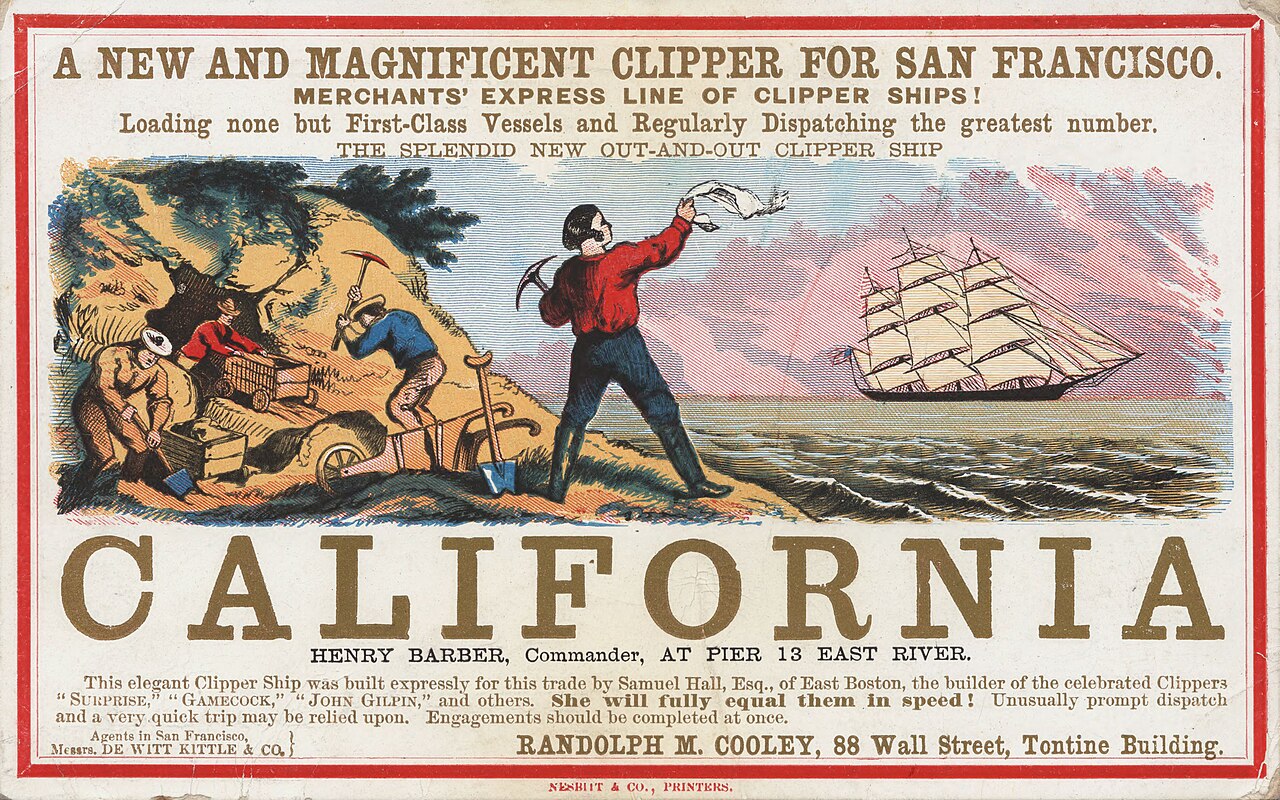
The American Old West, commonly called the Wild West, refers to the history, geography and cultures of the western United States during the later 19th century, roughly from the end of the Civil War to the turn of the century. This label covers a wide region of plains, mountains and deserts and a turbulent era of settlement, migration and change. For introductions to specific themes see history, geography and cultural summaries at culture.
Image gallery
10 Images





Landscape, peoples and principal groups
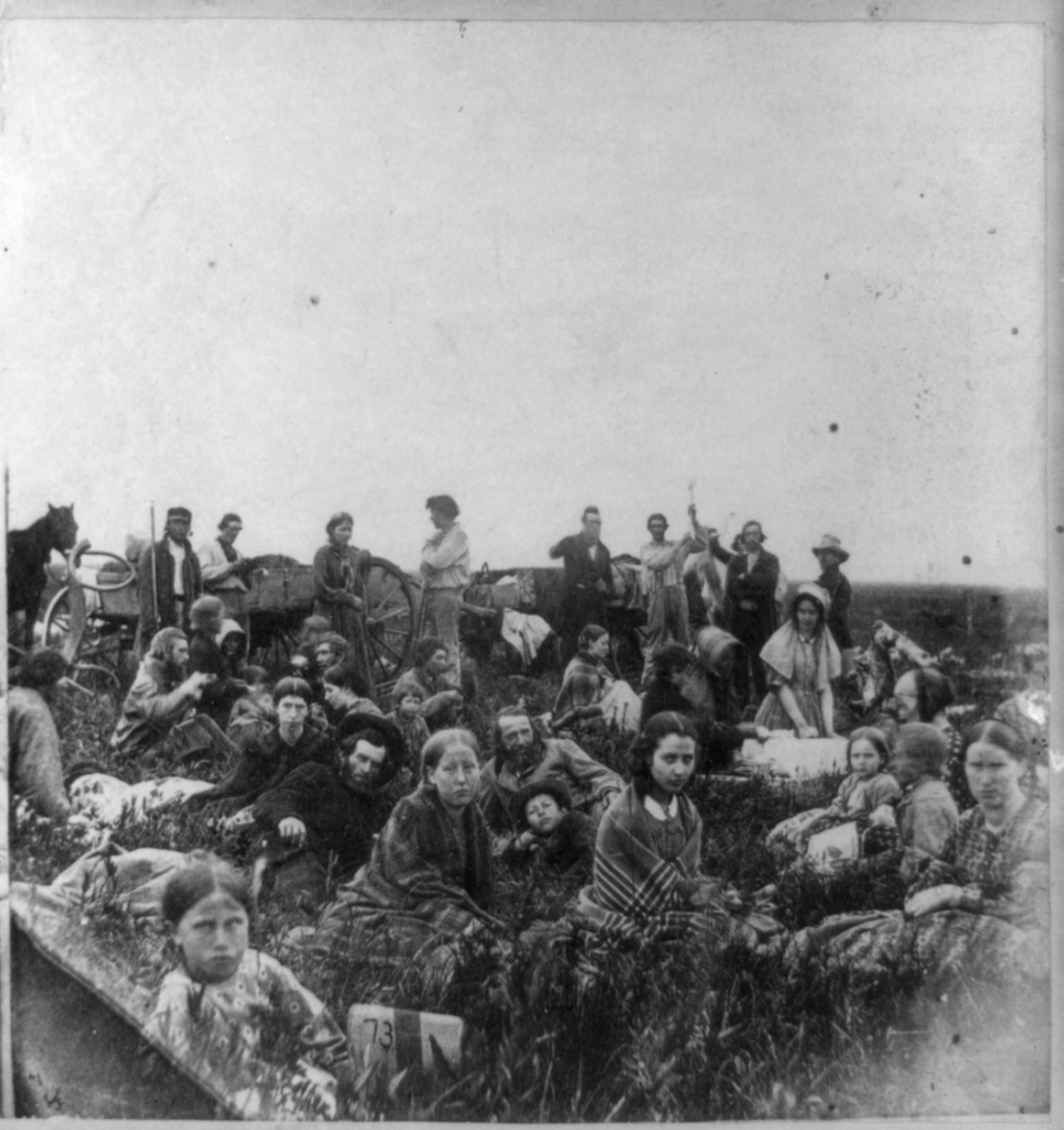
The region was inhabited and shaped by many different groups: Indigenous nations with long-established lifeways; Anglo-American settlers and farmers; Hispanic communities in the Southwest; freed people after the Civil War; immigrant laborers; miners; ranchers; traders; and transient workers. The interplay among these groups affected land use, law and daily life. For more on regional differences see regional studies.
Key characteristics
Several recurring features help define the period: rapid migration and settlement, resource booms (for example, mining), expanding railroad networks, cattle ranching and long drives, the decline of bison herds, legal pluralism and frequent violent confrontation. Government policies such as land grants and settlement acts, as well as military campaigns and treaties, were major forces; general postwar dynamics are covered under Civil War era effects and related documents primary sources.
Everyday life and economy
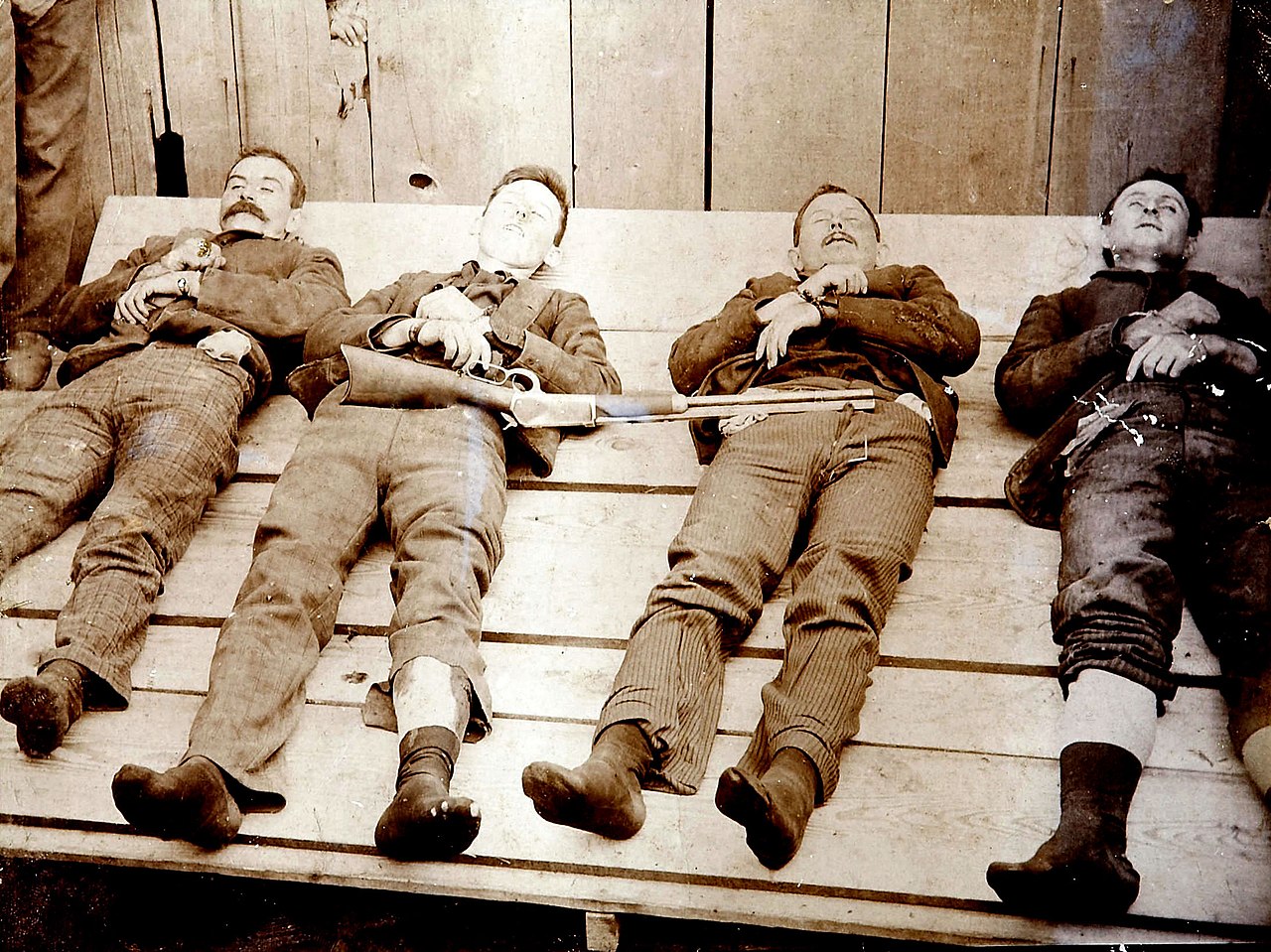
Daily life varied: miners lived in boomtowns; ranch families managed large herds across open range; homesteaders worked small farms; and towns grew around railheads and mills. Economies were mixed — extractive industries, agriculture, trade and services — and often boom-and-bust. Institutions such as local courts, posses and vigilante groups arose where formal law was limited; see community law examples at law and local governance at governance.
Myth, memory and cultural legacy
The Old West has been extensively fictionalized in novels, films and television, which shaped global perceptions. Popular media created enduring archetypes — the lone lawman, the outlaw, the heroic scout, the frontier family — that mix fact and invention. Classic films and series helped popularize these images; for cultural reception consult popular culture and scholarly critique at academic resources. Understanding the era requires separating romantic myths from documented patterns of settlement, displacement, and daily adaptation.
- Typical occupations: cowhands, miners, farmers, merchants, militia and artisans.
- Major developments: railroads, telegraph expansion, mining booms, cattle trails.
- Notable issues: land dispossession of Indigenous peoples, environmental change, law and order challenges.
The American Old West remains a subject of both scholarly study and popular fascination because it illustrates how rapid economic, technological and social change reshaped a continent and created powerful national myths still debated today.
Tags
Related articles
Author
AlegsaOnline.com American Old West (The Wild West) Leandro Alegsa
URL: https://en.alegsaonline.com/art/3450