
Mountain States (Interior West of the United States)
U.S. Census–defined subregion of the Western United States including AZ, CO, ID, MT, NV, NM, UT and WY; known for the Rocky Mountains, high plateaus, arid basins, federal lands and outdoor recreation.
The Mountain States, also called the Mountain West or the Interior West, are a U.S. subregion recognized by the United States Census Bureau and form part of the broader Western United States. The grouping most commonly includes eight states:
These states together cover a very large portion of the western interior of the continent. Much of the region is dominated by mountainous terrain, but the name covers a diversity of landforms from high alpine ranges to broad plateaus and arid basins. The term sometimes extends informally to nearby highland areas such as parts of far West Texas, though official definitions vary.
Image gallery
10 Images




Geography and physiography
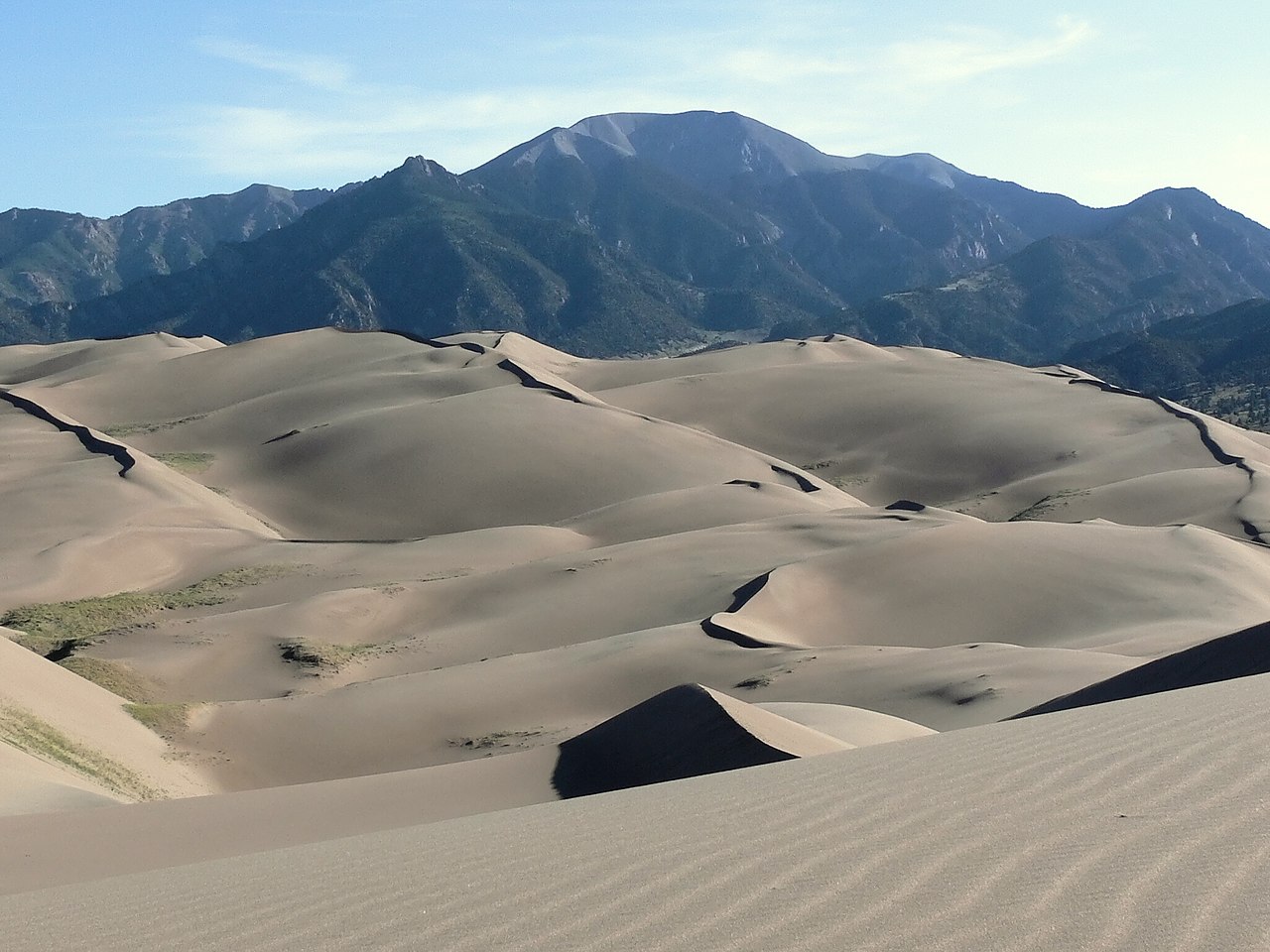
The Mountain States include several major physiographic provinces. The north–south trend of the Rocky Mountains runs through Montana, Idaho, Wyoming, Colorado, Utah and New Mexico and supplies the region’s most prominent high peaks and alpine valleys. To the west of the Rockies lie extensive basins and ranges, plateaus such as the Colorado Plateau, and the Great Basin in Nevada and parts of Utah. Rivers originating in these highlands — including tributaries that form the Colorado River system — carve deep canyons and feed downstream plains and deserts.
Climate and ecosystems
Climates in the Mountain States range from alpine and subalpine at high elevation to semi-arid and arid in basins and plateaus. Snowpack in the mountains is a crucial seasonal water source; lower-elevation areas experience hot summers and cold winters with wide seasonal variation. Vegetation zones change rapidly with elevation, from montane forests and meadows to sagebrush steppe and desert scrub. The region supports a mix of wildlife adapted to these varied habitats.
Human history and settlement
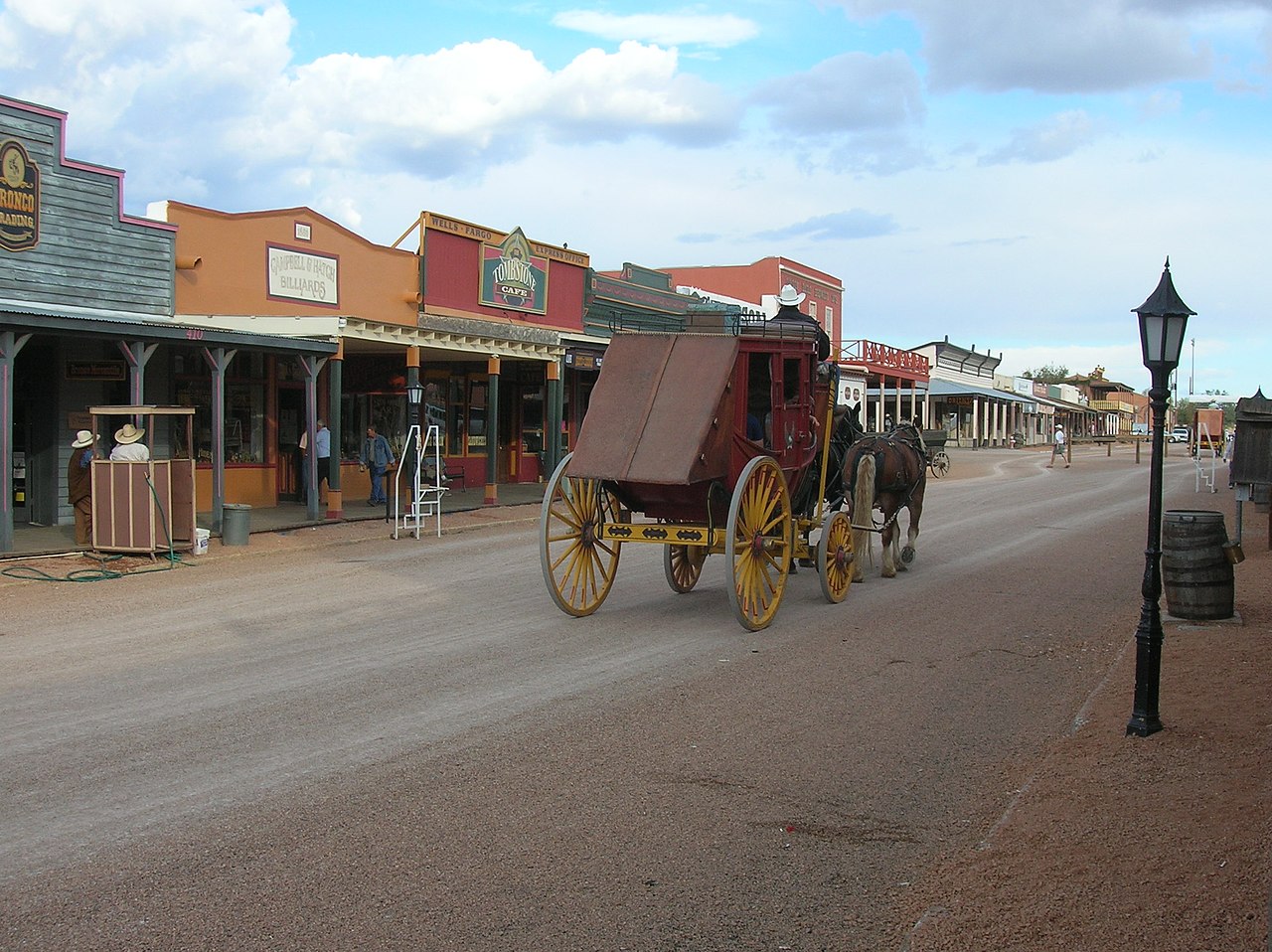
Long before modern state boundaries, Indigenous peoples inhabited and managed these landscapes for millennia. European exploration, followed by 19th‑century mining booms, ranching and the arrival of railroads, shaped settlement patterns. Cities and towns grew where resources, transportation corridors or water made large-scale settlement possible. Modern urban centers in the Mountain States include Denver, Salt Lake City, Albuquerque, Phoenix and Las Vegas, though much of the region remains sparsely populated.
Economy, uses and recreation
Economic activities reflect the region’s resources and geography: mining and mineral extraction, energy production (including fossil fuels and growing renewable projects), ranching and specialized agriculture in irrigated valleys, and an increasingly important tourism and outdoor recreation industry centered on national parks, ski areas and protected public lands. Popular destinations include Grand Canyon, Rocky Mountain, Yellowstone, Zion and Grand Teton national parks, which draw visitors for hiking, skiing, sightseeing and wildlife viewing.
Distinguishing features and notable facts
- Public land: A high proportion of land in several Mountain States is federally managed as national parks, forests, BLM lands and wilderness areas, shaping land use and local economies.
- Water and resources: Snowpack and river systems are critical to downstream water supplies; water rights and interstate river compacts are important regional issues.
- Low population density: Large expanses of open country contrast with growing metropolitan areas and resort towns.
- Time zones and identity: The region spans multiple time zones and overlaps cultural definitions of the "West," "Rocky Mountain" and "Intermountain" areas.
- Variation in inclusion: Different agencies and studies may include slightly different sets of states; the eight-state list above reflects the most common Census-derived definition.
Together, the Mountain States form a geographically varied and ecologically important portion of the United States, notable for high terrain, extensive public lands, water-resource challenges and a strong outdoor recreation economy.
Related articles
Author
AlegsaOnline.com Mountain States (Interior West of the United States) Leandro Alegsa
URL: https://en.alegsaonline.com/art/67140