
Storm (meteorological phenomenon)
A storm is a period of disturbed weather with strong winds, precipitation and often thunder or lightning. This article explains types, formation, hazards, forecasting and safety.
Overview
A storm is a pronounced disturbance in the atmosphere that brings strong wind, precipitation and frequently electrical activity. Storms range from brief, localized squalls to large, long-lived systems such as tropical cyclones. They are a natural part of Earth’s weather and occur when changes in temperature, humidity and pressure cause air to move rapidly and to carry moisture and particles. Scientists who study storms and weather are called meteorologists.
Image gallery
10 Images

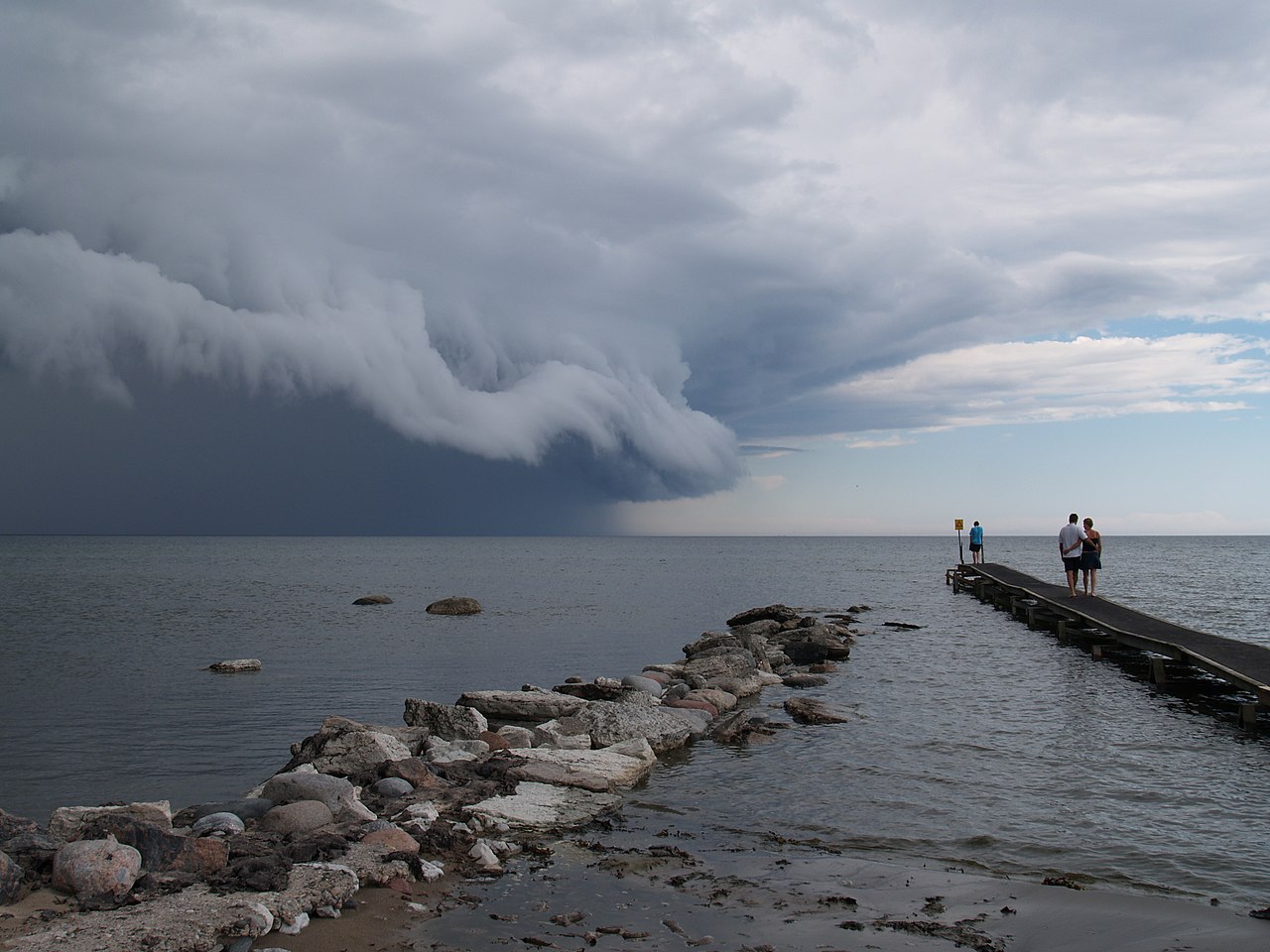


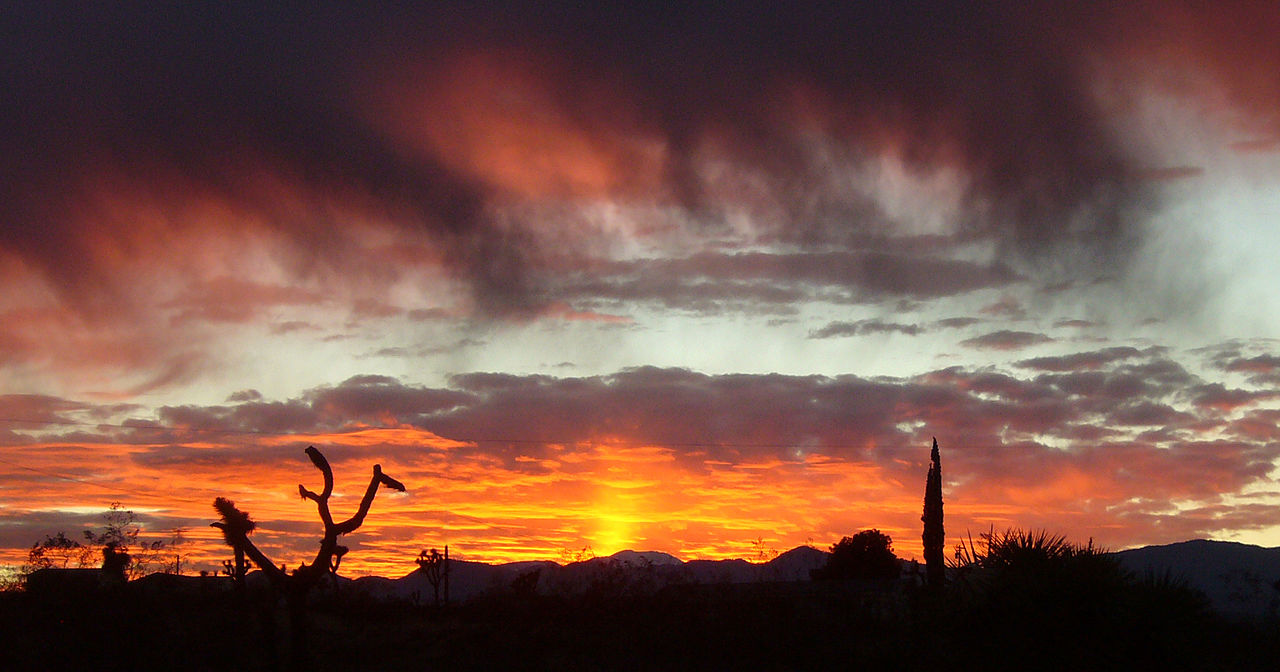


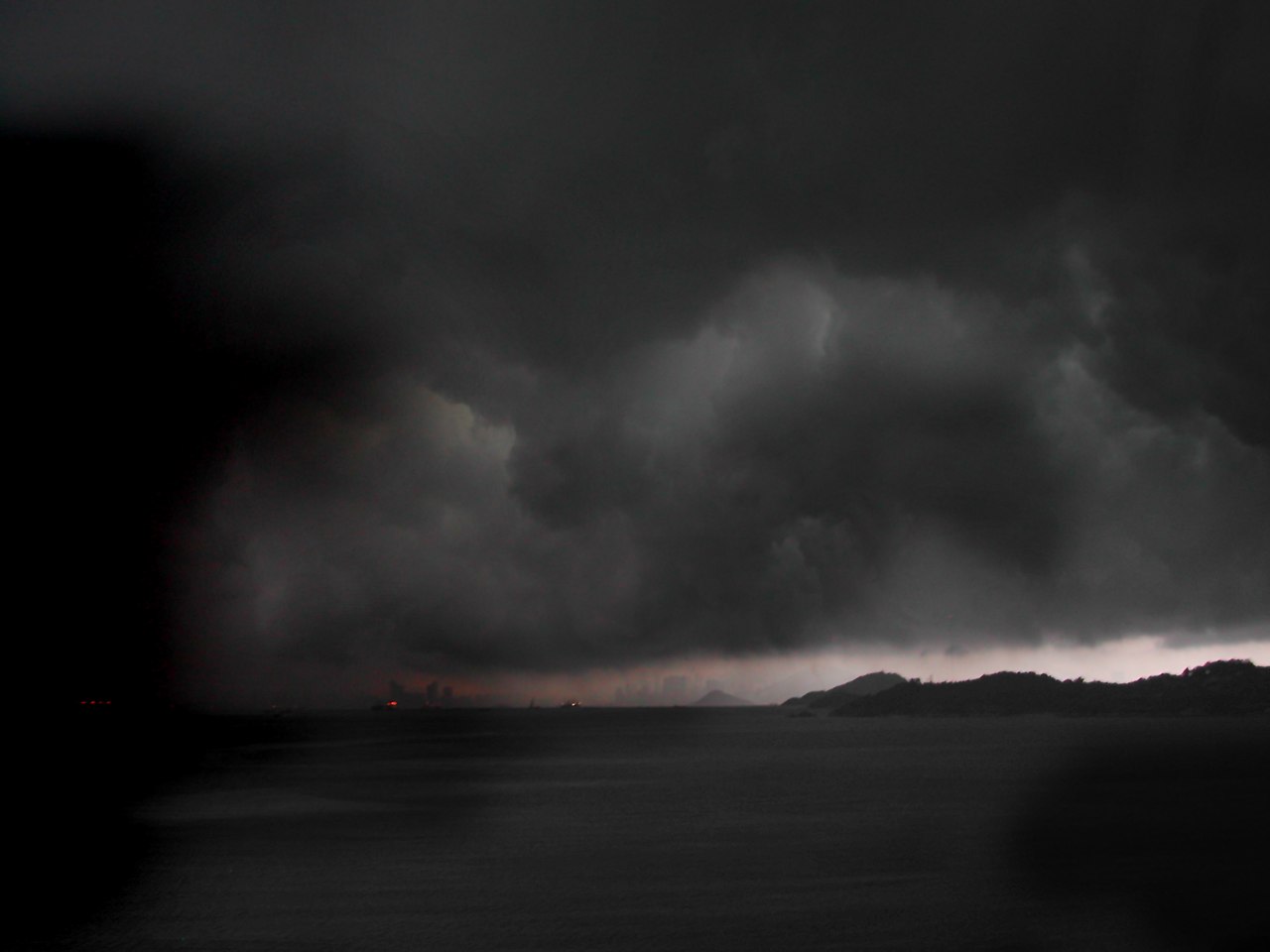
How storms form and their main characteristics
Most storms develop when warm, moist air rises and cools, causing water vapor to condense into cloud droplets and release heat. This process can accelerate upward motion and create strong winds. Common elements of storms include heavy rain, gusty winds, frozen precipitation such as sleet or ice, and electrical discharges visible as lightning. Thunder, the sound produced by rapidly expanding air around a lightning strike, often accompanies these discharges and is discussed in weather alerts as a sign of convective activity (thunder).
Common types of storms
- Thunderstorms: localized convective storms that may produce heavy rain, lightning, and hail (thunderstorms).
- Tropical cyclones: large-scale systems known by regional names such as hurricanes or typhoons; they bring sustained high winds, storm surge and intense rainfall.
- Snowstorms and blizzards: winter events characterized by heavy snowfall and reduced visibility.
- Ice storms: prolonged freezing rain that coats surfaces in ice, creating hazardous conditions.
- Tornadoes: concentrated rotating columns of air that can form within severe thunderstorms and cause extreme localized damage (tornadoes).
- Firestorms and ocean storms: special categories where fire or marine conditions dominate hazards.
History, forecasting and warnings
Human societies have long observed storms, and systematic forecasting developed as understanding of atmospheric physics improved. Shipping forecasts and coastal warnings were early organized services produced to protect vessels at sea (shipping forecasts) and to reduce loss of life and property from sudden storms affecting ships and coastal communities. Modern forecasting uses satellites, radar, weather models and surface observations to predict storm tracks and intensity. Warnings describe expected hazards — such as high winds, lightning, hail or icing — and advise protective actions.
Impacts, examples and safety
Storms can disrupt transportation, damage buildings, interrupt utilities and pose risks to life. Lightning and hail can damage crops and property, while heavy precipitation can cause flooding. Tropical storms and their stronger variants, known regionally as hurricanes or typhoons, often produce the most widespread destruction. Convective storms are frequent in warm, humid regions and during warmer seasons; for example, parts of Mexico and other tropical or subtropical areas see frequent thunderstorm development due to strong surface heating and moisture (Mexico, thunderstorms).
Practical notes and notable facts
Preparedness reduces storm risk: securing loose objects, heeding forecasts and moving away from flood-prone areas are basic measures. Scientific observation of lightning and thunder helps improve safety messaging by linking electrical activity to potential hazards such as sudden wind shifts or hail (sound and lightning studies). For more technical resources and guidance, consult weather services and local authorities (lightning, wind).
Understanding the diversity of storms — from short-lived electrical storms to long-lasting cyclones — helps communities prepare and respond effectively to these powerful natural events.
Questions and answers
Q: What is a storm?
A: A storm is a violent meteorological phenomenon in which there is heavy rain, and wind due to moisture in the air. Hail and Lightning are also common in storms. More rarely, Tornadoes can occur in storms. Hurricanes, typhoons, and tornadoes are often called storms too but they have special names because they are very strong.
Q: Who studies storms?
A: Storms are studied by scientists called meteorologists.
Q: How did shipping forecasts start?
A: The idea of shipping forecasts started with a concern to save ships from unexpected storms in the North Atlantic.
Q: What type of weather is associated with a storm?
A: A storm is associated with severe weather and may be marked by strong wind, thunder, lightning and heavy precipitation such as ice.
Q: What are some varieties of storms?
A: There are many varieties and names for storms including icestorms, blizzards, snowstorms, ocean-storms, firestorms etc.
Q: Where do thunderstorms develop frequently?
A: Thunderstorms develop frequently in hot humid tropical areas like Mexico.
Q: How do lightning and sound form during thunderstorms?
A: During thunderstorms the rising temperatures produce strong upward rising winds which carry water droplets upwards where they freeze before falling down again. The swift movement of the falling water droplets along with the rising air create lighting and sound.
Related articles
Author
AlegsaOnline.com Storm (meteorological phenomenon) Leandro Alegsa
URL: https://en.alegsaonline.com/art/94106
Sources
- stormpulse.com : U.S. Weather Tracking Map by Stormpulse
- spc.noaa.gov : NOAA's Storm Prediction Center