
Gravel: composition, classifications, uses and formation
Loose rock fragments between about 2 mm and 64 mm used as aggregate, drainage, surfacing and landscaping; covers types, origins, processing and environmental considerations.
Gravel is a natural or processed material made up of loose rock fragments whose individual pieces are larger than sand but smaller than cobbles. Typical size limits place gravel above roughly 2 mm and below about 64 mm in their smallest dimension. For a concise technical overview see common definitions, and for examples of how gravel appears in engineering contexts see applied guides. Size classifications and grading methods are discussed in many standards and summary pages, for example size and grading.
Image gallery
6 Images

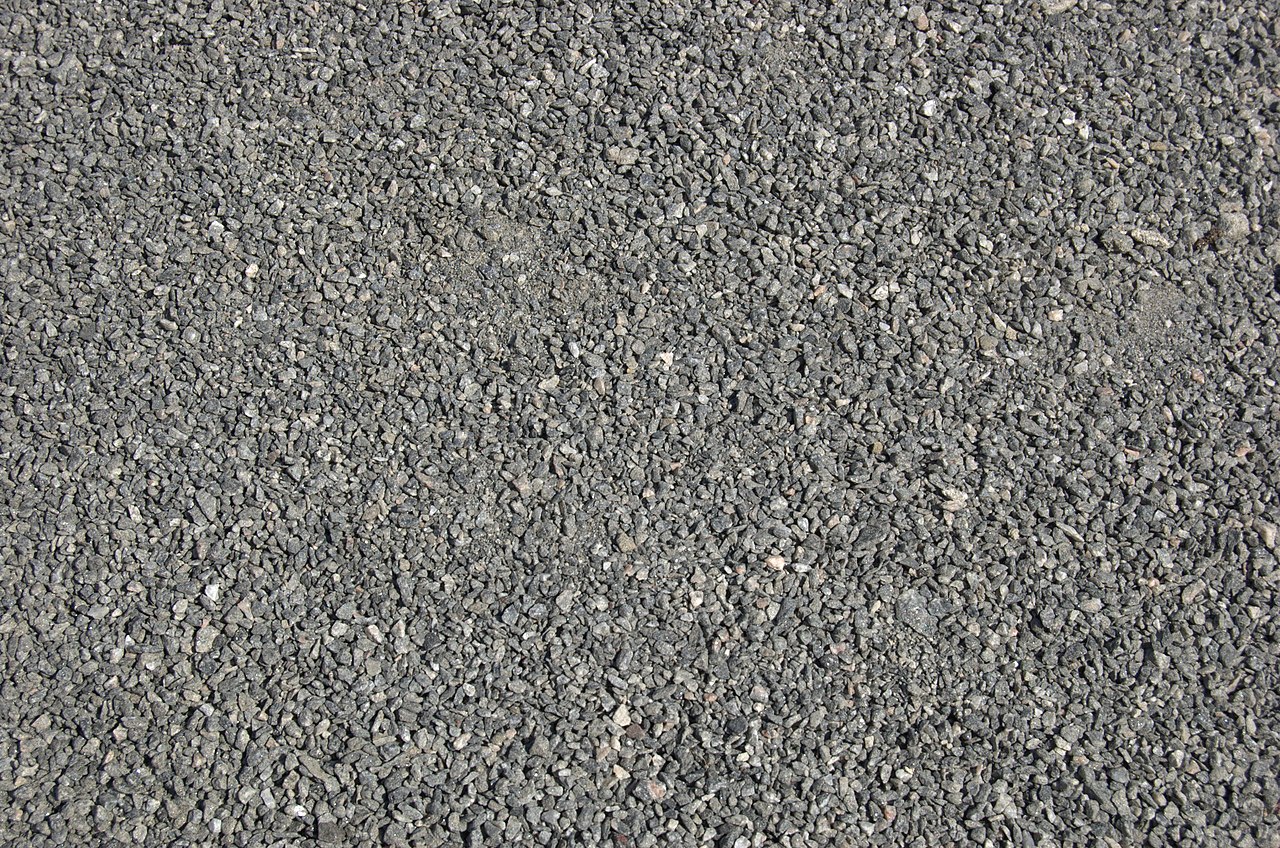
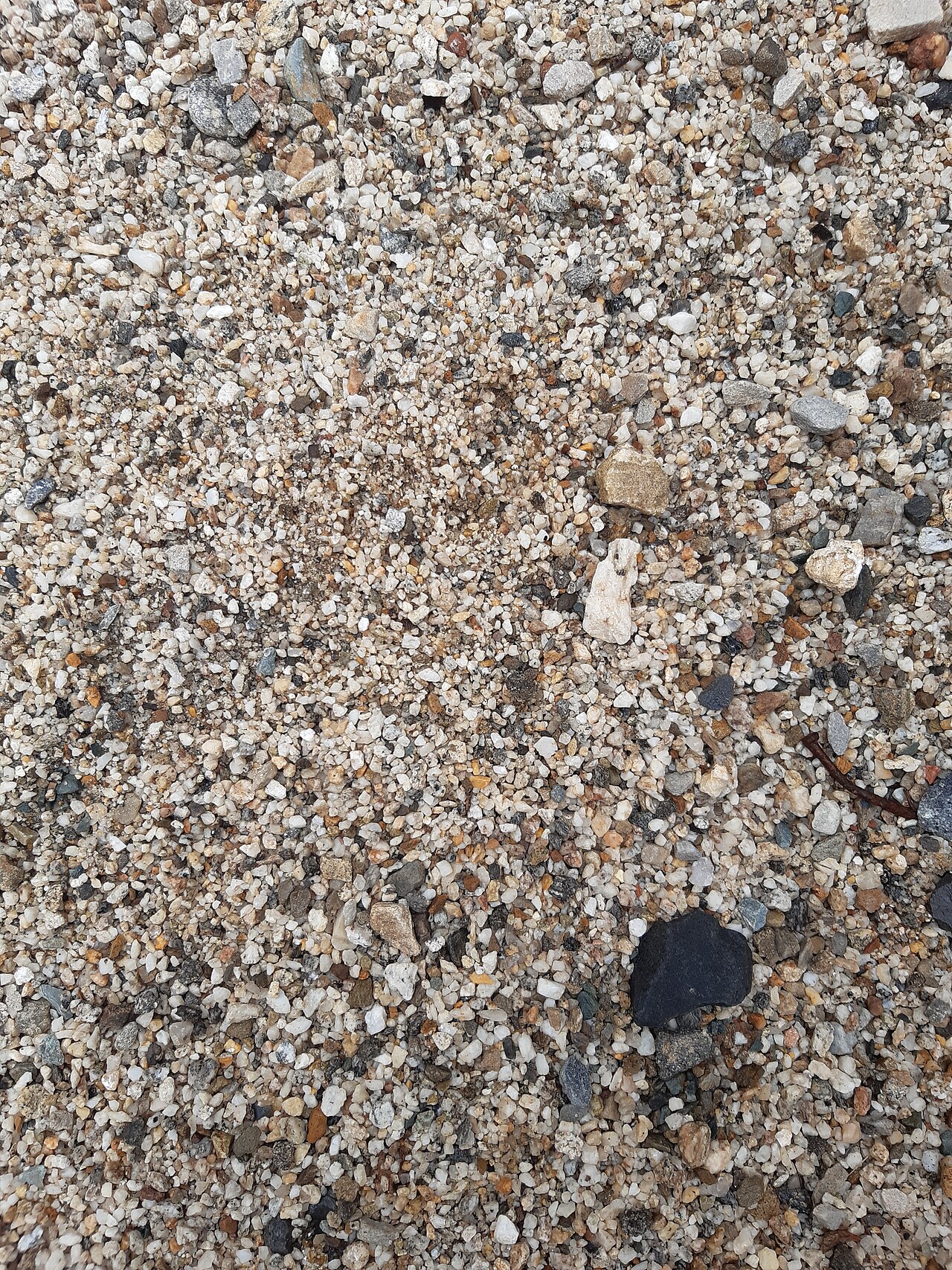


Characteristics and classification
Gravel ranges from very small granules up to larger pebbles. Industry and geology commonly distinguish granules (the smaller fraction) from pebbles (the larger fraction), and separate both from adjacent classes such as sand below and cobbles above. The shape, roundness and mineral composition of individual pieces influence performance: river-worn pebbles tend to be rounded and smooth, while crushed gravel from quarries is angular and interlocks more effectively in structural layers.
Origin and formation
Most gravel originates through physical weathering of bedrock and subsequent transport. Streams, rivers and glacial action round and sort fragments into alluvial or glaciofluvial deposits; beaches and terraces produce distinctive mixes of grain sizes and compositions. Human activity also creates gravel by crushing larger rock to specified sizes for construction; processed products are often marketed as crushed stone or crushed gravel.
Uses and applications
Gravel is a fundamental construction material. It is a primary component of concrete and asphalt and is referred to collectively with sand and crushed rock as "aggregate." In civil engineering it provides load-bearing layers for roads and railways (ballast), bases for foundations, and graded materials for drainage and filtration. For practical information on concrete and surfacing uses see construction resources and for drainage considerations see drainage guidance. Landscaping and domestic uses include decorative aggregate, driveways, and resin-bonded surfaces for paths.
Processing, standards and environmental notes
Before use, gravel is commonly washed, screened and graded to meet specified particle-size distributions. Standards govern allowable size ranges, cleanliness and strength when used in concrete or road bases. Recycled materials such as crushed concrete are increasingly used as sustainable alternatives to virgin gravel, though environmental issues — dust, altered runoff, habitat disruption and extraction impacts — must be managed through best practice and regulation.
Types and examples
- Pea gravel: small, rounded stones often used in landscaping and playgrounds (granules).
- River or beach gravel: naturally rounded particles from alluvial or coastal deposits.
- Crushed gravel / crushed stone: angular fragments produced by quarrying for structural applications (pebbles and crushed types).
- Ballast: coarser crushed material used beneath trackbeds and heavy pavements (relation to sand and cobbles).
Because gravel appears in both natural and manufactured forms and plays a central role in construction, landscape design and environmental engineering, understanding its sizes, sources and handling is useful for professionals and homeowners alike. For further practical details and sourcing options consult additional materials and standards available from industry and governmental publications (definition resource, practical guide).
Questions and answers
Q: What is gravel?
A: Gravel is small, loose rock particles that are larger than 2 mm (0.079 in) in their smallest dimension and no more than 64 mm (2.5 in).
Q: What are the two types of gravel and their respective sizes?
A: Small gravel is composed of granules (>2 to 4 mm/0.079 to 0.16 in) and large gravel is called pebbles (>4 to 64 mm/0.16 to 2.5 in).
Q: What are particles smaller than gravel called?
A: Particles smaller than gravel are called sand.
Q: What are larger particles than gravel called?
A: Larger particles than gravel are called cobbles.
Q: What are some uses of gravel and sand?
A: Gravel and sand are used for road surfaces, and for cement and Tarmac.
Q: What is the trade term for mixtures of gravel and sand mixed with various crushed material?
A: The trade term for mixtures of gravel and sand mixed with various crushed material is aggregate.
Q: What is the mixture of stones and resin used for?
A: The mixture of stones and resin is used to pave footpaths, driveways, etc. This mixture is known as Resin Bonded Gravel.
Related articles
Author
AlegsaOnline.com Gravel: composition, classifications, uses and formation Leandro Alegsa
URL: https://en.alegsaonline.com/art/40386