
Sand: composition, formation, uses, and environmental concerns
Sand is a natural granular material of rock and mineral particles. This article explains its composition, grain sizes, environments, formation processes, common uses, and environmental and economic issues.
Overview
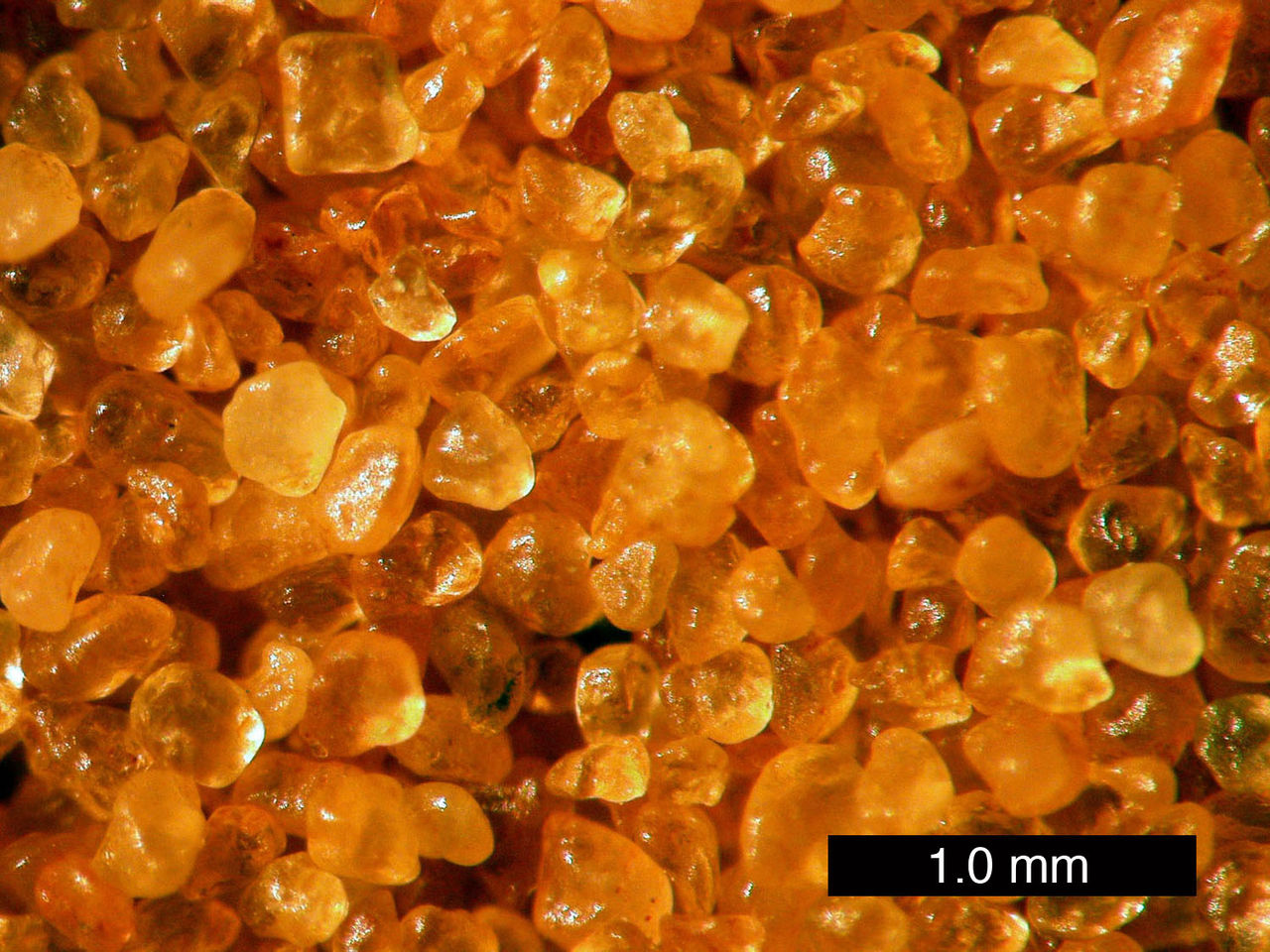
Sand is a naturally occurring granular material composed of small fragments of rock and minerals. Typical grains are visible to the eye and feel gritty. Most sand consists largely of silica in the form of quartz, but other minerals and rock fragments are common. When discussing composition it is useful to refer to mineral fragments such as granite and feldspar, or to biogenic materials built of shells and coral.
Image gallery
10 Images



Characteristics and size
Granular sediments are classified by grain size. Sand is commonly defined as particles between about 0.0625 mm and 2 mm in diameter; smaller particles are called silt and larger ones are called gravel. Grain shape, surface texture and sorting (the uniformity of sizes) affect how sand behaves in natural and engineered settings. Quartz-rich sands are hard and chemically resistant; carbonate sands (made of calcium carbonate) are common in tropical coastlines and form different coastal landscapes.
Formation and distribution
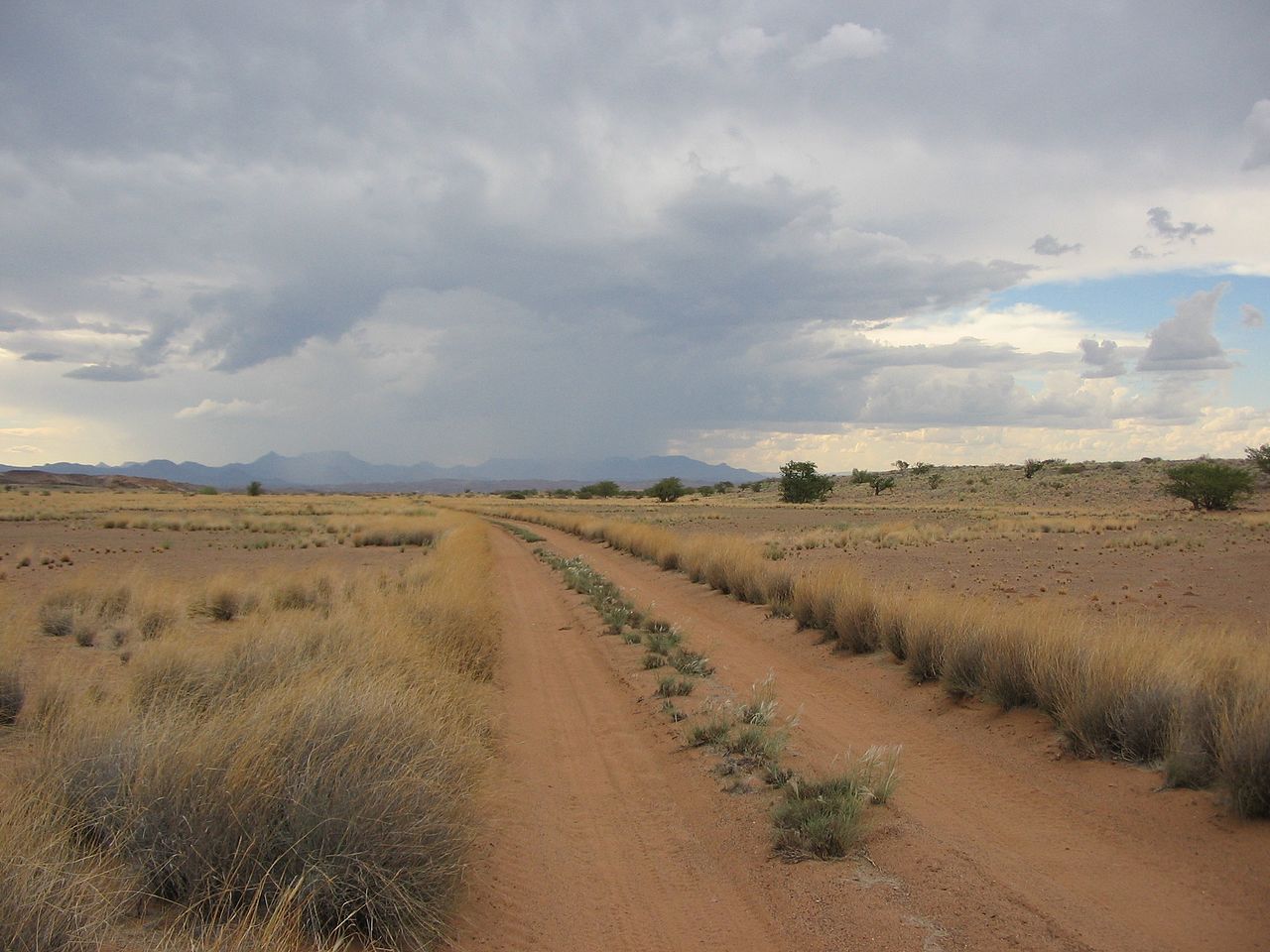
Sand forms mainly by the physical and chemical breakdown of rocks through weathering and erosion. Rivers, waves and wind transport and abrade particles, gradually reducing them to sand-sized grains. Much sand accumulates on beaches and in deserts, but important deposits also occur in riverbeds, deltas, coastal dunes and offshore shoals. Wind and water build sand dunes by moving grains; processes driven by wind and rivers produce distinct dune shapes and stratified sand layers.
Uses and examples
Sand is a fundamental raw material in construction, manufacturing and environmental applications. The most familiar use is as an ingredient in concrete and mortar, where sand provides bulk and strength. Special qualities of sand make it useful for glassmaking, foundry molds, hydraulic fracturing, water filtration and landscaping. Recreational and cultural uses include sand castles and beach recreation; artisan and restoration projects also rely on particular sand types.
Environmental, economic and notable issues
Demand for sand has risen steadily with urban growth. Intensive extraction from rivers, coastlines and seabeds can cause habitat loss, increased erosion, lowered groundwater levels and social conflict. Not all sand is interchangeable: for example, desert dune sand is often too rounded by wind to bond well in concrete, so river or crushed rock sand is preferred for many construction uses. Sustainable management seeks to balance economic needs with protection of ecosystems and shoreline stability.
Key distinctions and facts
- Grain size: sand (≈0.0625–2 mm) vs silt and gravel.
- Composition varies: quartz-dominated sands vs carbonate or volcanic sands.
- Location matters: beach, dune, river, delta and offshore sands differ in sorting and shape.
- Human impacts: mining, coastal development and climate change affect sand supplies and landscapes.
For further reading about composition, geology and management options consult specialized sources and local geological surveys: mineral fragments, granite, feldspar, weathering and erosion, gravel, silt, beaches, deserts, calcium carbonate, sand dunes, wind, rivers, concrete and sand castles.
Related articles
Author
AlegsaOnline.com Sand: composition, formation, uses, and environmental concerns Leandro Alegsa
URL: https://en.alegsaonline.com/art/86955