
Building material: types, properties, history and uses
Comprehensive overview of building materials: natural and manufactured types, key properties, historical development, common applications and sustainability considerations.
Overview
Building material refers to any substance used to support, enclose or finish a constructed work. Traditional civilizations relied on naturally occurring resources such as clay, sand, wood, stones and simple plant matter like twigs and leaves. In modern practice, many products are manufactured or altered to enhance performance: examples include bricks, concrete, plaster and engineered composites. The term covers both raw materials and processed items used for structural, insulating, finishing or decorative roles (materials, construction).
Image gallery
10 Images






Types and characteristics
Materials are commonly grouped by composition and function. Major classes include:
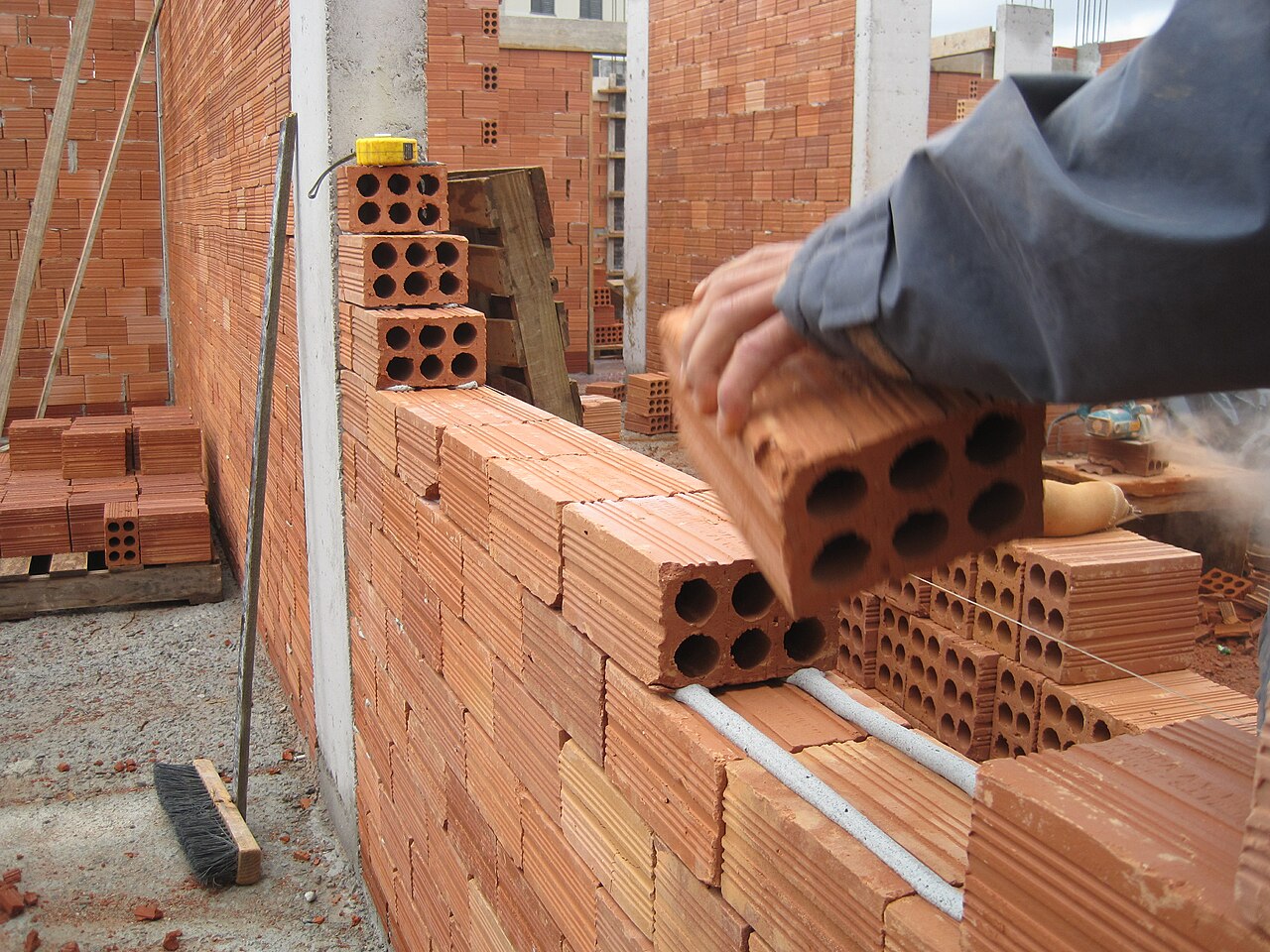
- Masonry and ceramics — stone, brick and fired clay products; good in compression and durable.
- Concrete and cementitious systems — mixtures of aggregates (sand, gravel), binders and admixtures that harden to form structural mass.
- Metals — iron and steel (steel from iron), aluminum and alloys used for framing, reinforcement and finishes.
- Wood and engineered timber — natural, laminated or treated lumber for framing and joinery.
- Polymers and composites — plastics, fiberglass and modern composites for insulation, membranes and lightweight elements.
- Finishes and decorative materials — plaster (plaster), stucco and imitation techniques such as scagliola that emulate natural stone like marble.
Key material properties that determine suitability include strength, stiffness, density, durability, thermal conductivity, moisture resistance and fire performance.
History and development
Building materials have evolved from locally available natural substances toward engineered products. Early architecture exploited stone, packed earth and timber. The invention of fired brick and lime-based mortars extended possibilities, while the development of ironworking and later steel transformed long-span structures. The 19th and 20th centuries introduced Portland cement and mass-produced concrete, glass curtain walls and synthetic polymers, expanding choices for designers and builders.
Uses, examples and importance
Selection of materials depends on structural requirements, climate, cost and cultural preferences. Masonry and concrete are common for foundations and load-bearing walls; steel enables high-rise frames; timber remains popular for residential construction; polymers serve as vapor barriers, insulators and finishes. Specialty materials and surface treatments provide fire protection, weatherproofing and aesthetic effects. Many manufactured products incorporate natural constituents—for example, bricks are formed from clay and some plasters contain mineral fillers.
Notable distinctions and sustainability
Modern practice emphasizes life-cycle performance and environmental impact. Recyclability, embodied energy, sourcing and durability guide material choices. Innovations include low-carbon cements, engineered wood products that sequester carbon, and reclaimed masonry. Careful specification and testing ensure that traditional materials (stone, brick, wood) and modern engineered options (concrete, steel, composites) meet safety, longevity and ecological goals. For further technical standards and case studies consult specialist sources and design codes (manufacturing, bio-based).
For more general introductions and illustrative examples, see materials overviews and construction guides: marble examples, brick types, plaster systems, concrete technology, steel applications, and items on iron production, decorative imitations, material lists, construction topics, aggregates, timber, clay uses.
Related articles
Author
AlegsaOnline.com Building material: types, properties, history and uses Leandro Alegsa
URL: https://en.alegsaonline.com/art/15179