
Sandstone: composition, formation, properties, and uses
Sandstone is a clastic sedimentary rock made of sand-sized grains and cement. This article explains its composition, varieties, formation, common uses, and how it differs from related rocks.
Overview: Sandstone is a common clastic sedimentary rock composed chiefly of sand-sized particles that have been buried, compacted and cemented into a cohesive stone. The sand grains are fragments of preexisting rocks and minerals; the most abundant constituents are quartz and feldspar, which are among the most common minerals in the Earth's crust. The binding material between grains—called cement—can be silica, calcite, iron oxides or other minerals and strongly influences color and strength.
Image gallery
10 Images


Characteristics and classification
Sandstone is identified by grain size (sand is intermediate between silt and gravel), grain shape, sorting (degree of uniformity), and composition. Terms used by geologists include quartz arenite (dominantly quartz), arkose (rich in feldspar), and lithic sandstone (containing rock fragments). A related, poorly sorted type with abundant fine matrix is called greywacke. Cement type and porosity affect durability, permeability and appearance.
Formation and geologic setting
Sandstone forms where sand accumulates—on beaches, in river channels and deltas, in deserts as dunes, and on continental shelves—then is buried and undergoes diagenesis (compaction and cementation). Over long intervals, increasing pressure and temperature during deep burial or tectonic burial can transform sandstone into a harder metamorphic rock, quartzite. That process may occur where rocks are buried beneath a mountain range or during regional metamorphism.
Uses and economic importance
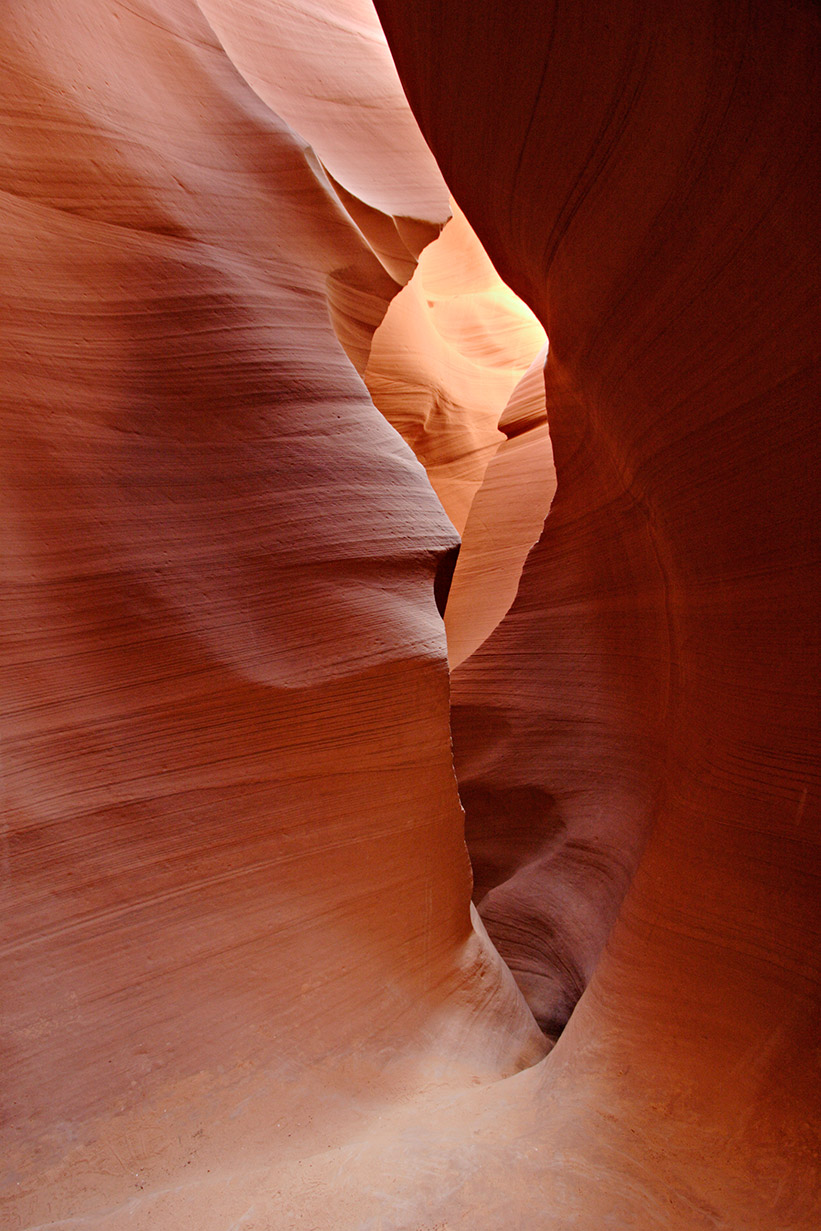
Durable and often attractive, sandstone has been used as building and paving stone, for carved monuments and for dimension stone. Its porosity and permeability commonly make sandstone important as an aquifer and as a reservoir for hydrocarbons. The color and layering patterns also make it valuable for decorative stone and landscape features. Weather-resistant varieties are preferred for construction; poorly cemented sandstone weathers more readily and may require stabilization.
Distinctions and notable facts
- Unlike shale, which is fine-grained and fissile, sandstone is composed of visible sand grains and tends to break through grains rather than along thin layers.
- Sandstone differs from limestone in its silicate composition; limestone is carbonate-rich and reacts with acids.
- Although sandstone can be hard and long-lasting, it is susceptible to salt crystallization, freeze–thaw and biological weathering where conditions permit; such weathering influences conservation of historic sandstone structures and monuments (weathering).
Examples of study and practical considerations
Geologists study sandstone to reconstruct past environments—grain size, sorting and sedimentary structures record wind, river or wave action. Engineers assess grain composition and cement when selecting sandstone for construction or as a reservoir rock. For introductory reading and technical summaries see regional guides and field manuals (compacted sand, basic sedimentology) and specialized literature on mineralogy and diagenesis.
For more visual and technical resources consult linked materials and databases: sedimentary rock overview, sand and compaction, quartz information, feldspar details, mineral abundance, Earth's crust summary, weathering processes, quartzite and metamorphism, mountain-building contexts.
Questions and answers
Q: What is sandstone?
A: Sandstone is a sedimentary rock made of compacted sand, which is small grains of rocks and minerals.
Q: What are the most common minerals in sandstone?
A: The most common minerals in sandstone are quartz and feldspar.
Q: What is sandstone used for?
A: Sandstone that is resistant to weathering is used for building in many countries. It can also be used for paving slabs.
Q: Is sandstone a hard rock?
A: Sandstone can be a hard rock, depending on its composition and level of compaction.
Q: What is quartzite?
A: Quartzite is a metamorphic rock that is formed from sandstone through heating and pressure.
Q: How is quartzite formed?
A: Quartzite is formed when sandstone is subjected to heating and pressure under a mountain chain.
Q: Why is sandstone often converted into quartzite?
A: Sandstone is often converted into quartzite because the heating and pressure under a mountain chain causes the minerals in the rock to recrystallize and fuse together, creating a harder and more durable rock.
Related articles
Author
AlegsaOnline.com Sandstone: composition, formation, properties, and uses Leandro Alegsa
URL: https://en.alegsaonline.com/art/86997