
Granite: coarse‑grained intrusive igneous rock of continental crust
Granite is a durable, coarse‑grained intrusive igneous rock rich in quartz and feldspar. Common in continents, it forms from slowly cooled magma and is widely used in construction, monuments and countertops.
Overview
Granite is a common intrusive igneous rock that makes up large portions of the Earth's crust. It forms when silica‑rich magma cools slowly beneath the surface, allowing visible mineral crystals to grow. Because of its mineral mix and crystalline texture, granite is easily identified in hand specimen and when polished, and has long been valued for structural and decorative uses.
Image gallery
10 Images





Composition and characteristics
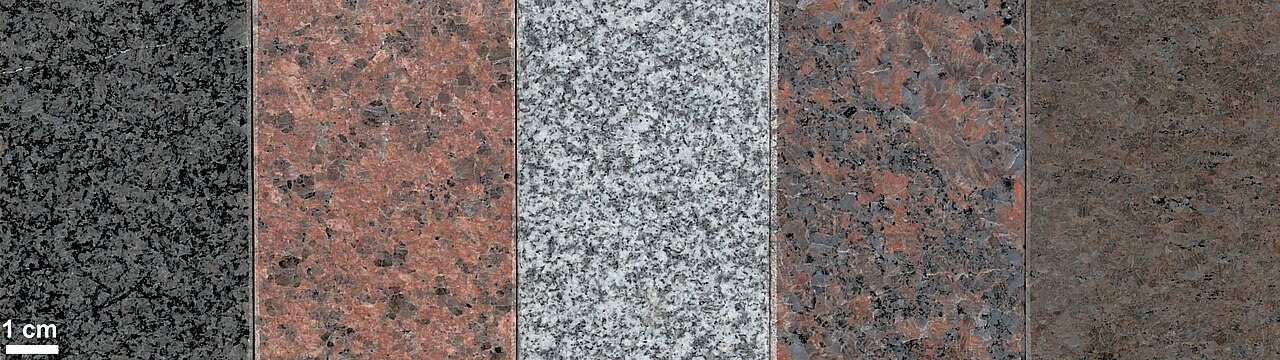
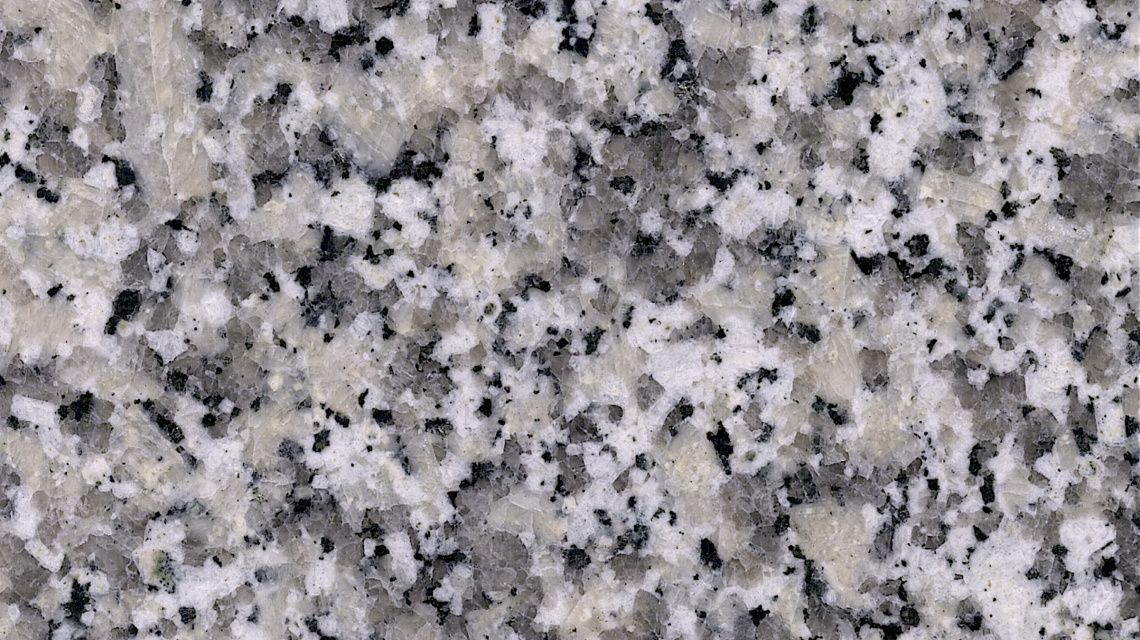
Typical granite is dominated by quartz and two groups of feldspar — potassium feldspar and plagioclase — together with dark minerals such as biotite, muscovite or hornblende. Specific mineral names include quartz, feldspar, hornblende and mica. The grain size is generally coarse (phaneritic), reflecting the slow rate of cooling. Color ranges from white and pink to gray and black depending on mineral proportions.
Formation and geological context
Granite forms as magma intrudes into the crust and crystallizes at depth, producing bodies such as plutons, batholiths and stocks. The molten material may be emplaced by tectonic processes such as continental collision and subduction, then exposed at the surface by uplift and erosion. The process begins with molten magma injected between rock layers; as it cools, crystals nucleate and grow until the mass becomes solid rock. The term "granite" derives from Latin for "grain" because of its granular appearance.
Uses and significance
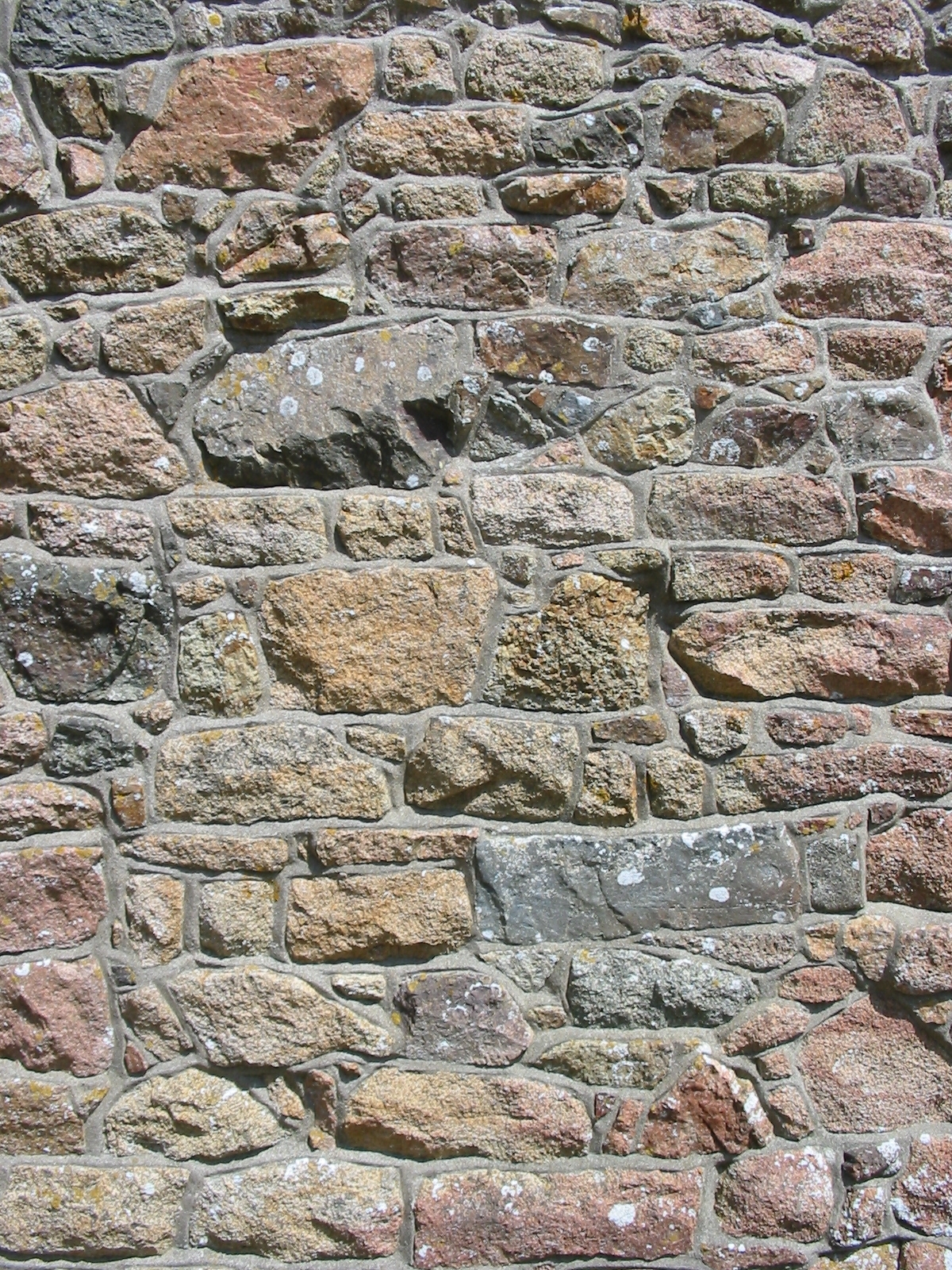
Granite's hardness, low porosity and resistance to weathering make it a preferred material for building, paving, monuments and kitchen worktops. Historically it was quarried for columns, obelisks and temples, and today it remains popular for exterior cladding and engineered stone products. It is commonly crushed for road aggregate and construction fill. The rock is also important to geologists because its presence and distribution record deep crustal processes and the evolution of continental lithosphere (continental crust).
Variations, related rocks and notable facts
Granite grades into related compositions such as granodiorite and tonalite, and it is distinct from fine‑grained volcanic rocks like basalt. Metamorphism can transform granite into gneiss with banded texture. While most abundant on continents, granitic compositions have also been identified in varied geological settings elsewhere; exploration of other planetary bodies continues to refine where similar rocks occur beyond Earth (comparative studies). Exposure of deep granite bodies by tectonic uplift explains the formation of many granite mountains and batholiths (tectonic uplift) and notable regional granite provinces are the product of long‑lived magmatic activity.
Quick reference
- Texture: coarse‑grained (phaneritic)
- Common minerals: quartz, K‑feldspar, plagioclase, biotite/mica
- Uses: building stone, monuments, countertops, aggregate
- Distinctions: differs from basalt (mafic) and gneiss (metamorphic)
For further reading on petrology, field identification and economic uses, consult authoritative geological summaries and regional surveys (petrology resources, crustal geology, magma dynamics, mineral guides, tectonics, quarrying and uses).
Questions and answers
Q: What is granite?
A: Granite is a type of igneous rock that is found only on Earth, formed from hot, molten magma that cools and solidifies slowly.
Q: How does granite get formed?
A: Granite is formed when hot magma is forced between layers of rock beneath the Earth's surface, and cools and solidifies slowly over time.
Q: What determines the colour of granite?
A: The colour of granite can vary between dark or light grey, brown, or even pink depending on the proportions of its minerals.
Q: What minerals are found in granite?
A: Granite contains a variety of minerals including quartz, feldspar, hornblende, and sometimes mica.
Q: How can the crystals in granite be seen?
A: The crystals in granite can be easily seen when it is cut and polished.
Q: Where is granite commonly found on Earth?
A: Granite is a common stone on Earth and is usually found in the continental plates of the Earth's crust.
Q: How are granite mountains formed?
A: Granite mountains are formed when tectonic movement causes plates in the Earth's crust to move together, getting bent and pushed upwards.
Tags
Related articles
Author
AlegsaOnline.com Granite: coarse‑grained intrusive igneous rock of continental crust Leandro Alegsa
URL: https://en.alegsaonline.com/art/40287
Sources
- livescience.com : Andrea Thompson 2008. The exciting evolution of rocks. LiveScience
- commons.wikimedia.org : Granite