
Storm surge: coastal flooding caused by intense storms
A storm surge is the abnormal rise of seawater pushed ashore by a storm. This article explains causes, factors that influence surge height, impacts, forecasting, and ways to reduce risk.
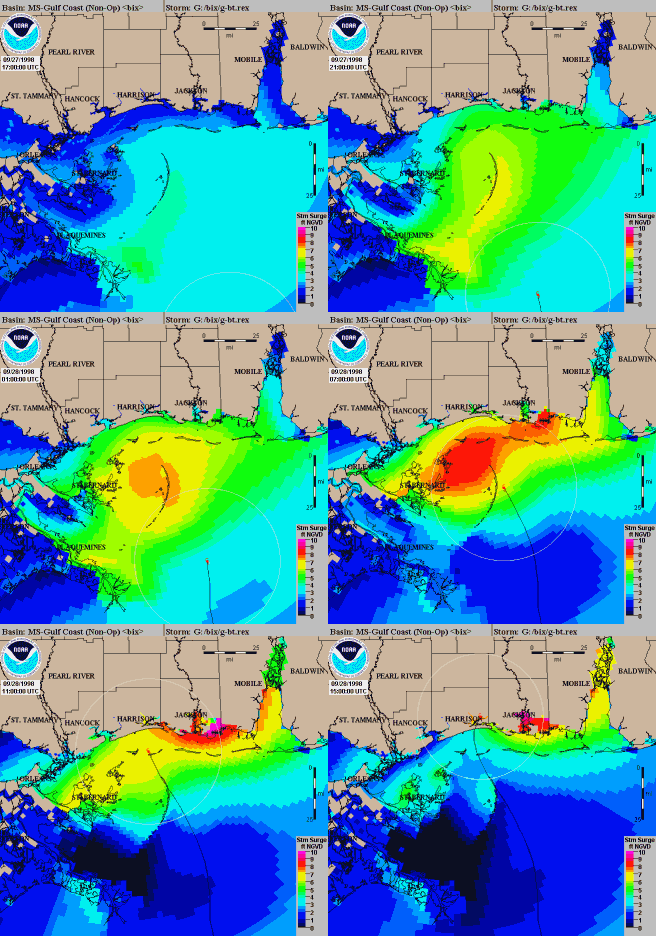
A storm surge is an abnormal and often sudden rise in coastal water levels that occurs when a strong storm pushes ocean or bay water onto the land. It is most commonly associated with tropical cyclones and hurricanes but can accompany strong extratropical storms as well. For a concise definition see this overview.
Image gallery
9 Images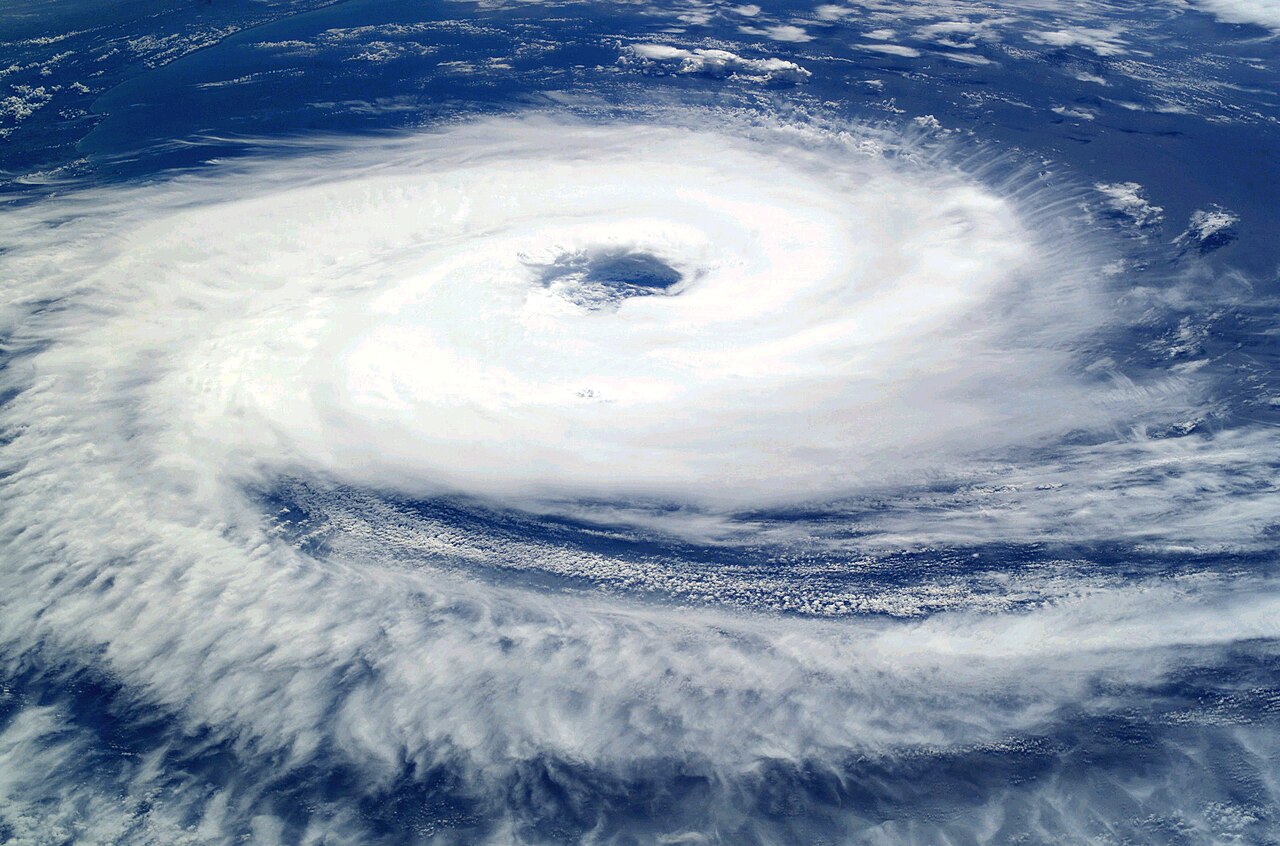





Causes and mechanics
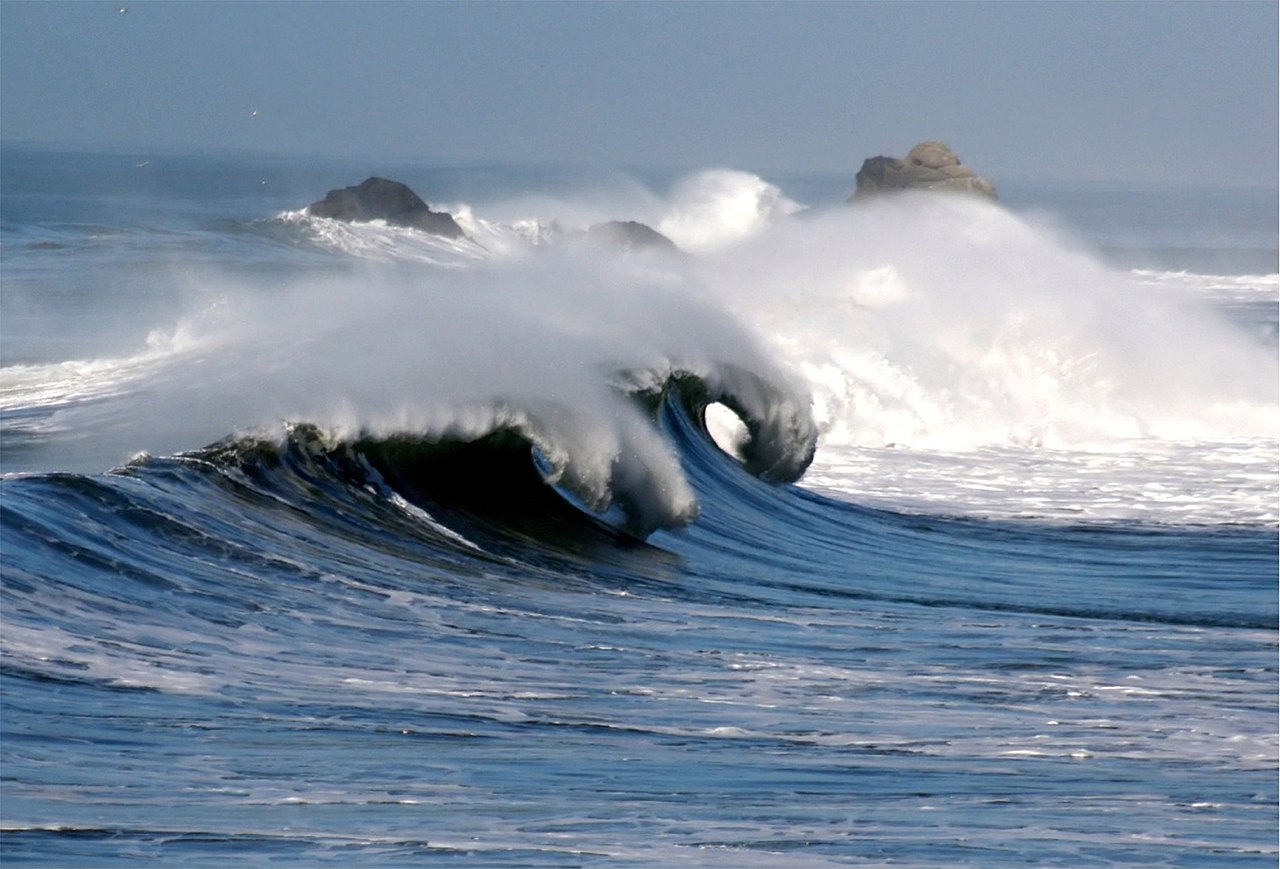
Surge develops through a combination of forces. Strong, sustained winds drive water toward the shore, while lower atmospheric pressure within the storm allows the sea surface to bulge upward. Waves and currents add short-term variability, and the effect can be amplified when peak surge coincides with high tide. Coastal orientation and the storm's angle of approach also matter; consult regional descriptions at coastal guides and general cyclone resources like tropical cyclone summaries.
Factors that influence surge height
- Storm intensity and wind field size — stronger, larger storms push more water.
- Forward speed and angle — slow-moving storms or those approaching head-on produce larger surges.
- Coastal bathymetry and shape — shallow continental shelves and funnel-shaped bays raise surge levels.
- Tidal stage — surges arriving at high tide cause the greatest flooding.
These elements interact; local authorities often model them together to anticipate maximum water levels. For information on wind and pressure roles see wind effects and pressure influences.
Storm surge is responsible for the majority of deaths in many coastal storms because it can inundate wide areas quickly, destroying buildings, roads, and utilities. Surge-driven flooding also causes severe erosion and can push debris inland. For descriptions of damage mechanics and water movement, see coastal impact resources and safety guidance at emergency planning sites.
Mitigation combines forecasting, planning and physical defenses. Modern forecasts use numerical models, tide gauges and satellite observations to issue evacuation orders when necessary. Structural measures include seawalls and surge barriers; natural solutions like wetlands and dunes can reduce energy and water penetration. Understanding the difference between storm surge and related terms such as storm tide or tsunami is important when communicating risk to the public.
Related articles
Author
AlegsaOnline.com Storm surge: coastal flooding caused by intense storms Leandro Alegsa
URL: https://en.alegsaonline.com/art/94105