
Brick: Materials, Manufacture, Types, Uses and History
A brick is a manufactured unit of clay, concrete or similar material used in masonry and paving; formed, dried or fired and laid with mortar into walls, pavements and other structures.
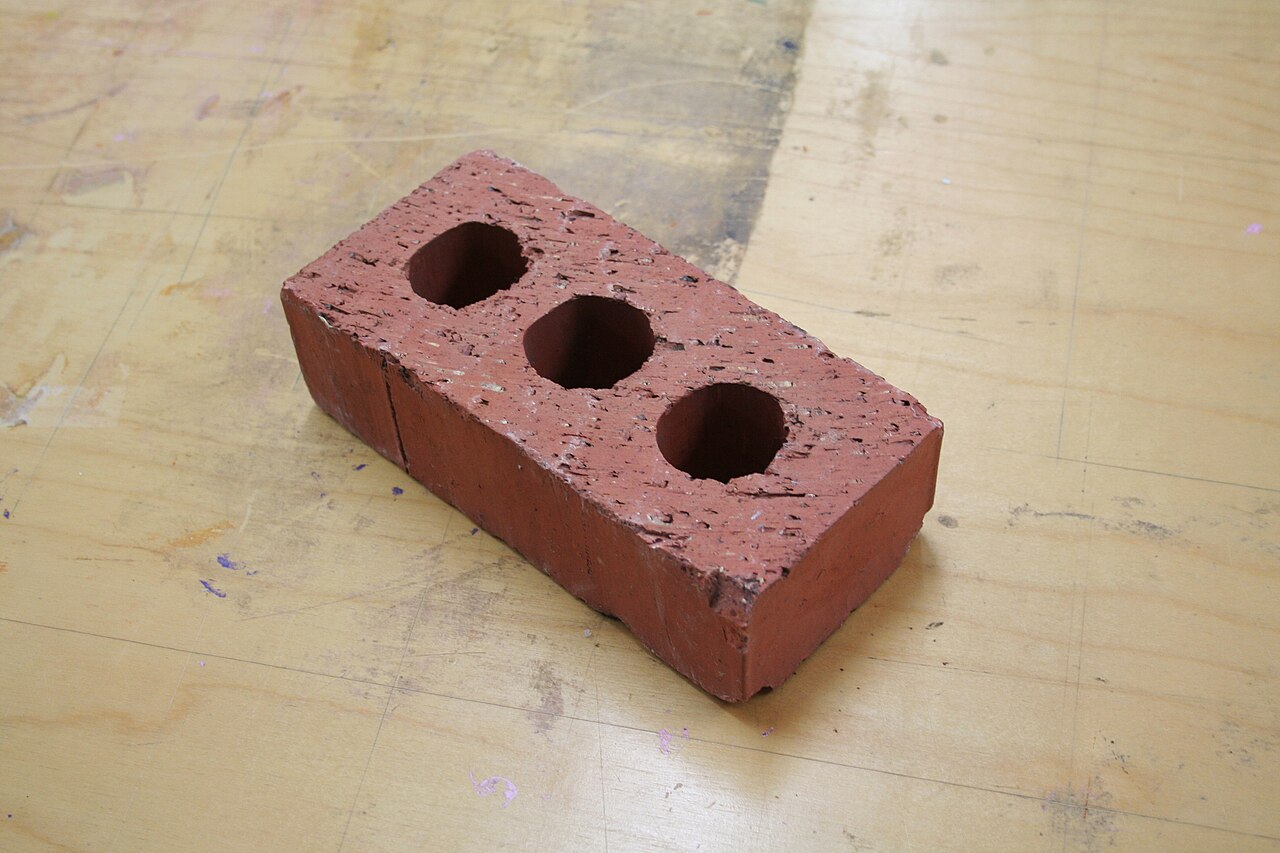
A brick is a manufactured rectangular unit commonly used in masonry to build walls, pavements and other load-bearing or decorative elements. Traditionally made from clay and related natural materials, bricks are either hardened by firing in a kiln or cured as air-dried units. Their uniform shape and modular size make them convenient for manual laying, standardized construction and a wide variety of aesthetic finishes.
Image gallery
10 Images
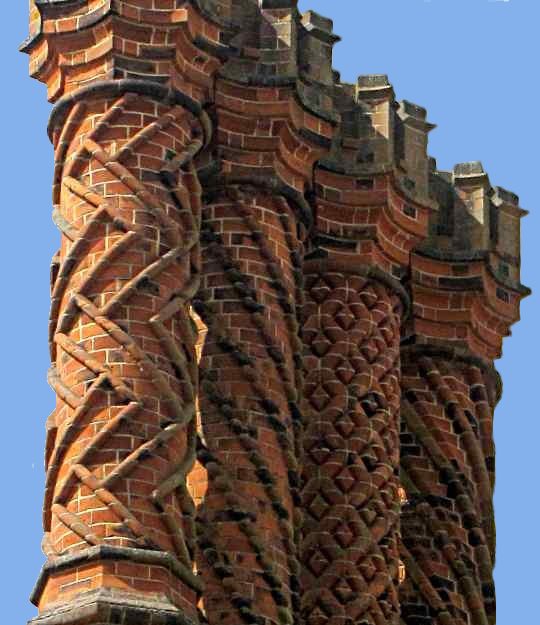
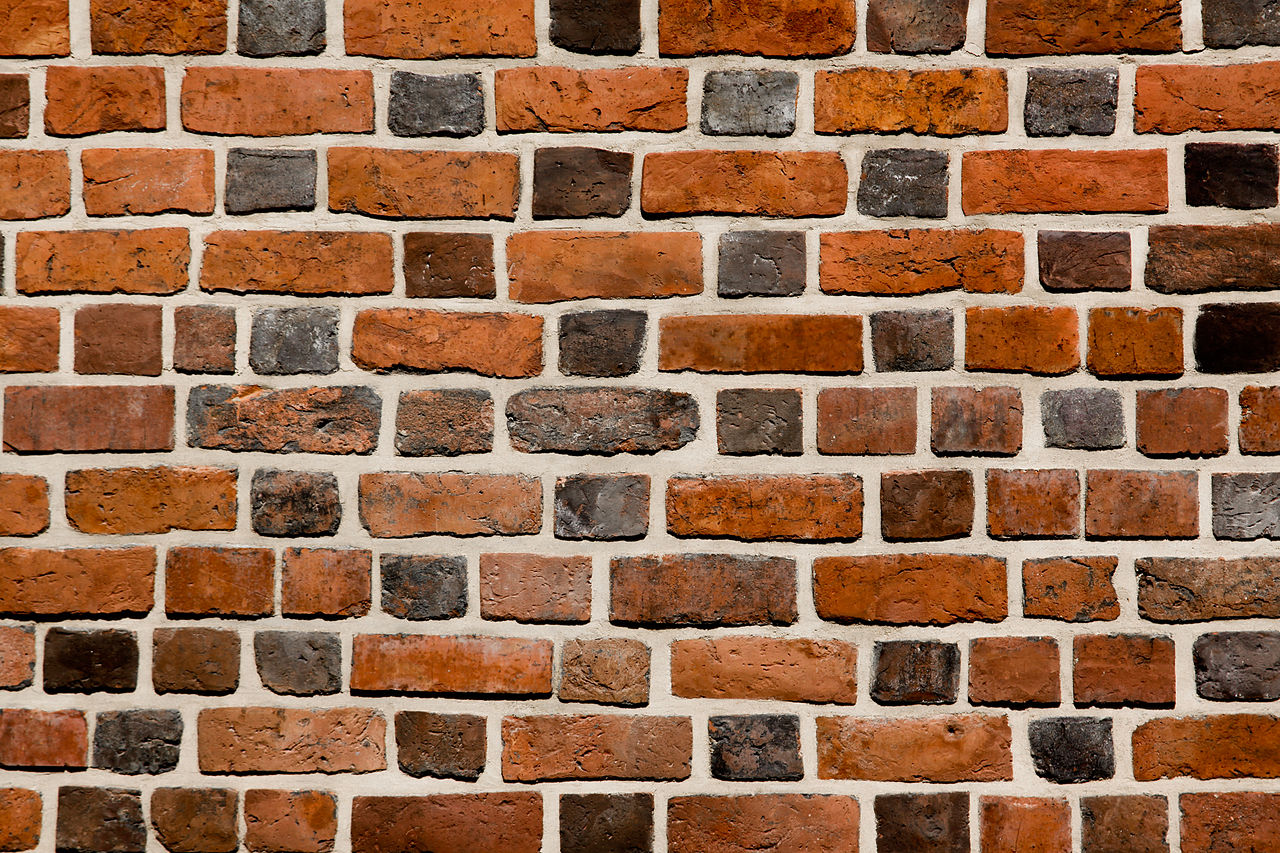


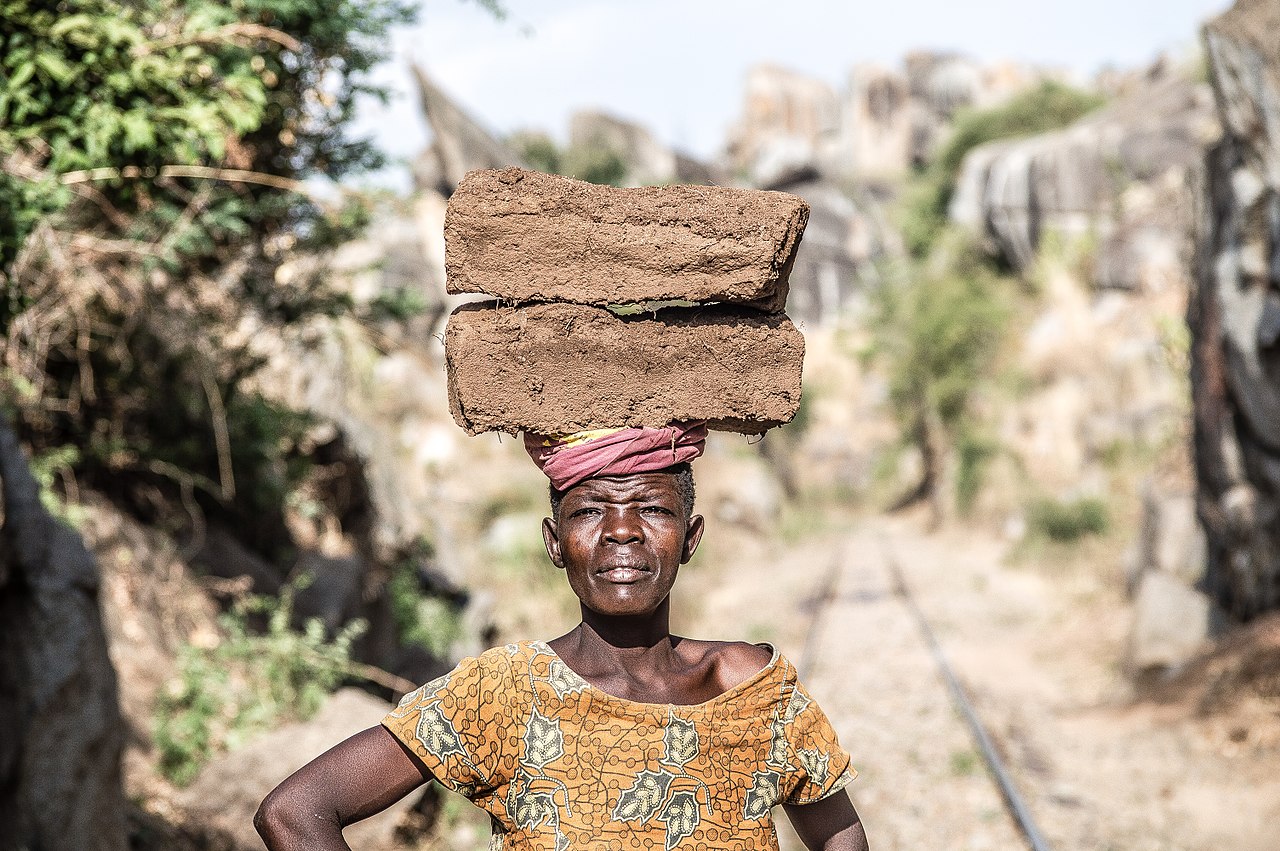
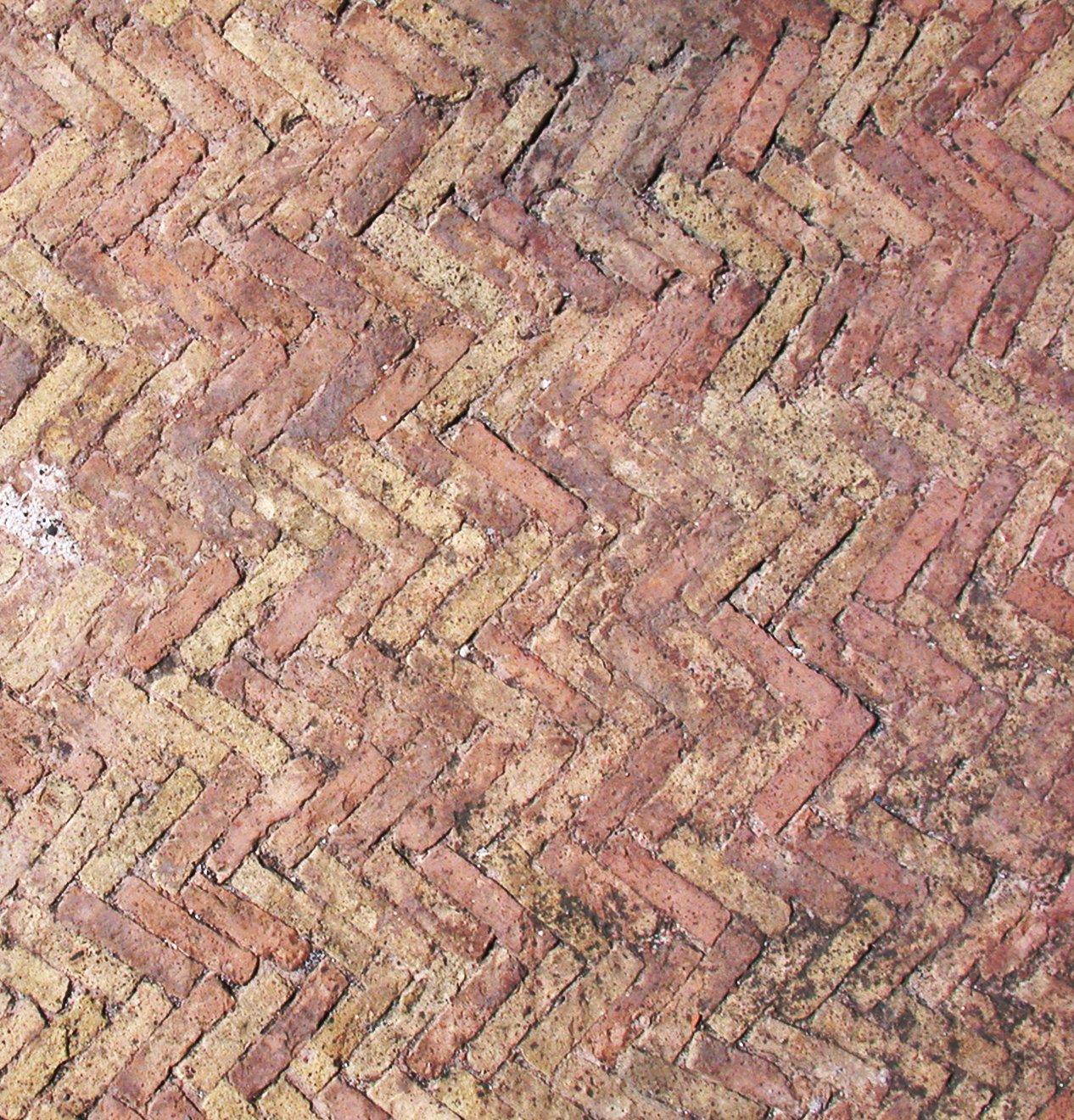

Materials and manufacture
Most bricks are produced from clay or shale, often blended with sand, lime or other additives that influence color, workability and strength. The wet mixture is shaped by molding or extrusion and then cut to size; it is dried and usually fired at high temperature to vitrify the body and improve durability. Concrete bricks are cast from cement-based mixtures and gain strength as they cure. Sun-dried units (commonly called adobe) are also used in arid regions where firing is impractical.
Types, patterns and properties
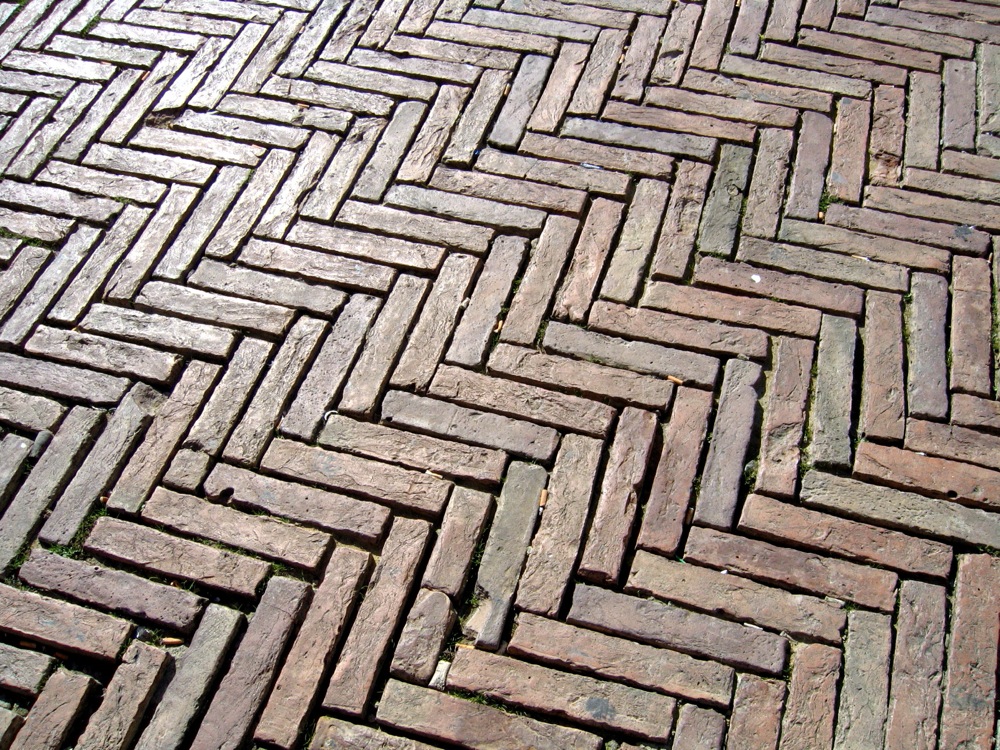
Bricks are classified by material, manufacture and intended use. Common categories include facing bricks (for exposed facades), engineering bricks (high compressive strength and low porosity), refractory or firebricks (used in high-temperature settings), and pavers for outdoor surfaces. Bricks can be laid in many bonds—arrangements that affect the wall's strength and appearance. Typical bonds include running bond, Flemish bond and English bond; a single horizontal layer is referred to as a course. Mortar unites the units and helps distribute loads.
- Facing, common and engineering bricks
- Pavers for patios and walkways
- Refractory bricks for ovens and furnaces
- Concrete and perforated bricks for lighter weight or insulation
Uses and examples
Bricks are used for structural walls, facades, chimneys, arches and paving. Their modular form simplifies construction by masons and supports repeatable patterns and details. Beyond structural roles, bricks contribute thermal mass, fire resistance and texture to architecture. Pavers provide durable, sometimes permeable surfacing for driveways, walkways and plazas.
History and development
Making bricks is an ancient craft: sun-dried and fired clay units appear in some of the earliest settled civilizations. Over time techniques evolved—standardized sizes, improved kilns and mechanized forming emerged, especially during periods of urban expansion and industrialization—leading to the broad availability of brick as a building material in many regions.
Care, sustainability and distinctions
Bricks are durable but require proper detailing to avoid moisture entry and freeze–thaw damage. Correct mortar selection, flashing and damp-proof courses extend service life. Bricks are also reused frequently in renovations, and modern manufacturing increasingly addresses energy use and embodied carbon. Important distinctions for designers and builders are fired versus unfired units, clay versus concrete composition, and common versus engineering grades chosen according to structural and environmental requirements.
Further information
For deeper technical guidance and historical background, consult construction handbooks and masonry organizations via the links below.
- Building material overview
- Manufacturing processes
- Masonry and wall construction
- Clay and raw materials
- Sand and aggregates
- Use of lime in mortar
- Concrete brick types
- Masonry techniques
- Cutting and shaping
- Kiln firing and kilns
- Professional masons and trades
- Mortar composition and jointing
- Bond patterns and laying
- Paving and outdoor brickwork
Questions and answers
Q: What is a brick?
A: A brick is a man-made building material used for making walls and places to walk. It is a single unit made of a kneaded clay-bearing soil, sand and lime or concrete material that is fire-hardened or air-dried and used in masonry construction.
Q: What are bricks mostly made of?
A: Bricks are made mostly of clay.
Q: How are bricks made?
A: Bricks are made by putting clay into molds or cutting them with wires, and then baking them in an oven.
Q: What is the most common pattern for assembling bricks?
A: The most common pattern for assembling bricks is called "running bond".
Q: What is the term used for a row of bricks?
A: A row of bricks is called a course.
Q: What are bricks used for on the ground and what are they called?
A: Bricks used outdoors on the ground are called "pavers".
Q: What are engineering bricks and what are they used for?
A: Engineering bricks are made of better clays and fired at a higher temperature. They are more expensive and are used for high load-bearing walls and for damp-proof courses.
Tags
Related articles
Author
AlegsaOnline.com Brick: Materials, Manufacture, Types, Uses and History Leandro Alegsa
URL: https://en.alegsaonline.com/art/14046
Sources
- academia.edu : academia.edu/1285495/Bricks_and_urbanism_in_the_Indus_Valley_rise_and_decline
- commons.wikimedia.org : Brick