
Steel mill (steelworks): production, processes, and products
A steel mill is an industrial plant where iron is converted into steel and formed into standardized shapes; this article covers processes, equipment, raw materials, history, and uses.
A steel mill, also called a steelworks, is an industrial plant dedicated to producing steel from iron-bearing materials. Steel itself is an alloy of iron and carbon, typically with additional elements to modify its properties. The two essential chemical constituents are carbon and iron. Feedstock commonly includes mined iron ore, recycled scrap, and additives; production combines high-temperature reduction and refining steps such as reduction and smelting to produce a metallurgical intermediate before final processing.
Image gallery
8 Images


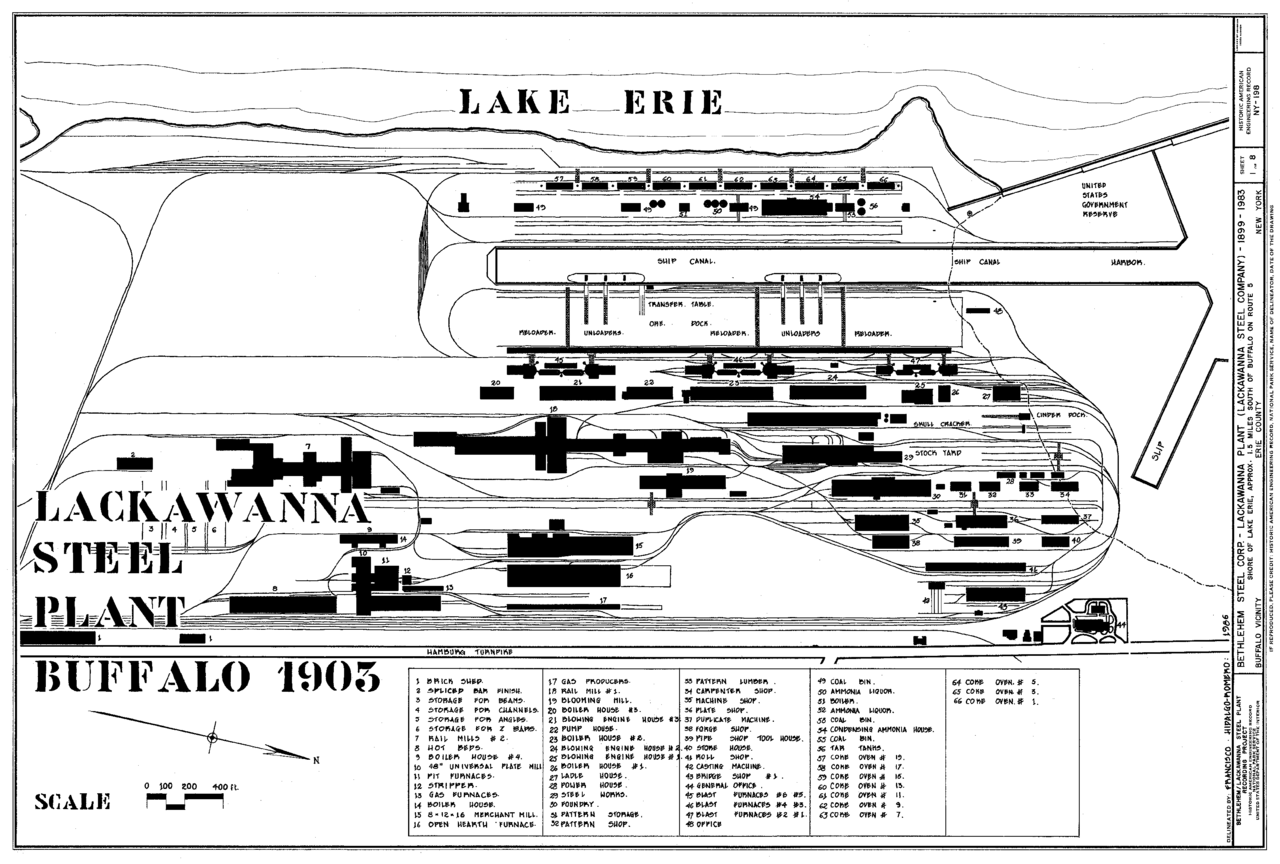

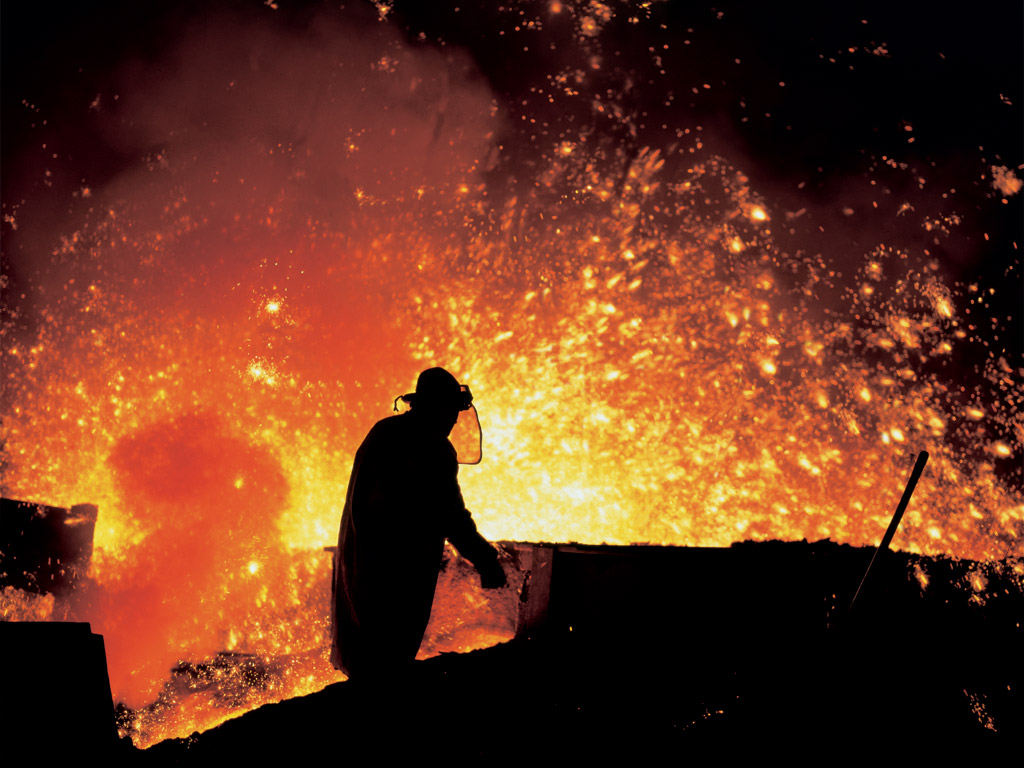


Core stages in modern steelmaking
- Raw material preparation — raw ores are crushed, beneficiated and mixed with carbon-rich fuels such as coke and fluxes like limestone to prepare them for reduction.
- Ironmaking — in a blast furnace or alternative reactors iron ore is reduced to produce pig iron or molten iron suitable for conversion to steel.
- Steelmaking and refining — impurities are removed and alloying elements are added to achieve desired grades; common alloying elements include manganese, nickel, chromium and vanadium.
- Shaping — molten steel is transformed by casting into slabs, billets or blooms and then processed by hot and cold rolling to produce sheets, bars or structural sections.
Equipment found in a mill ranges from furnaces and converters to continuous casters and rolling mills. Two broad production routes exist: integrated steelworks that begin from ore and coke and use a blast furnace, and mini-mills that rely largely on electric arc furnaces feeding recycled scrap. After primary conversion, downstream units perform heat treatment, surface treatment and finishing to meet mechanical and dimensional specifications.
The development of steelmaking spans centuries of metallurgical innovation. Traditional smelting methods gave way to industrial-scale processes in the 18th and 19th centuries; later technological leaps such as the Bessemer and open-hearth methods were succeeded by basic oxygen and electric-arc processes that dominate today. Continuous casting and automated rolling have increased yield and reduced energy consumption compared with older batch methods.
Steel produced in mills underpins construction, transport, machinery, consumer appliances and packaging. Because steel is highly recyclable, many mills integrate scrap recycling to lower raw-material and energy needs. Nevertheless, steelmaking is energy intensive and a source of greenhouse gas and particulate emissions; contemporary research and investment focus on efficiency, carbon capture and alternative reducing agents such as hydrogen to reduce the environmental footprint.
Important distinctions include the terms "steel mill," "rolling mill" and "foundry": a steel mill produces and refines steel, a rolling mill shapes metal by deformation, and a foundry casts molten metal into molds. Products are classified by form and grade—ingots, slabs, blooms, bars, sheets and coils—with rigorous quality control to ensure performance in structural, automotive or specialized alloy applications. For further technical background and industrial standards consult specialist sources or industry references (plant operations, production guides) that cover detailed process control and safety protocols.
Related articles
Author
AlegsaOnline.com Steel mill (steelworks): production, processes, and products Leandro Alegsa
URL: https://en.alegsaonline.com/art/93633