
Chromium — properties, chemistry, uses, and safety
Chromium (Cr, atomic number 24) is a silvery transition metal used in alloys, plating and pigments. This article summarizes its properties, occurrence, compounds, major uses and safety considerations.
Overview
Chromium is a hard, lustrous transition metal with the symbol Cr. It has 24 protons and an atomic number of 24, and in neutral atoms it carries 24 electrons. The element’s average atomic mass is about 52 unified atomic mass units, and common stable isotopes include mass numbers near 50–53, giving typical atoms about 28 neutrons. Chromium’s ground-state electron configuration, written as [Ar] 3d5 4s1, is notable for a half-filled d subshell that influences its chemistry.
Image gallery
10 Images




Physical and chemical characteristics
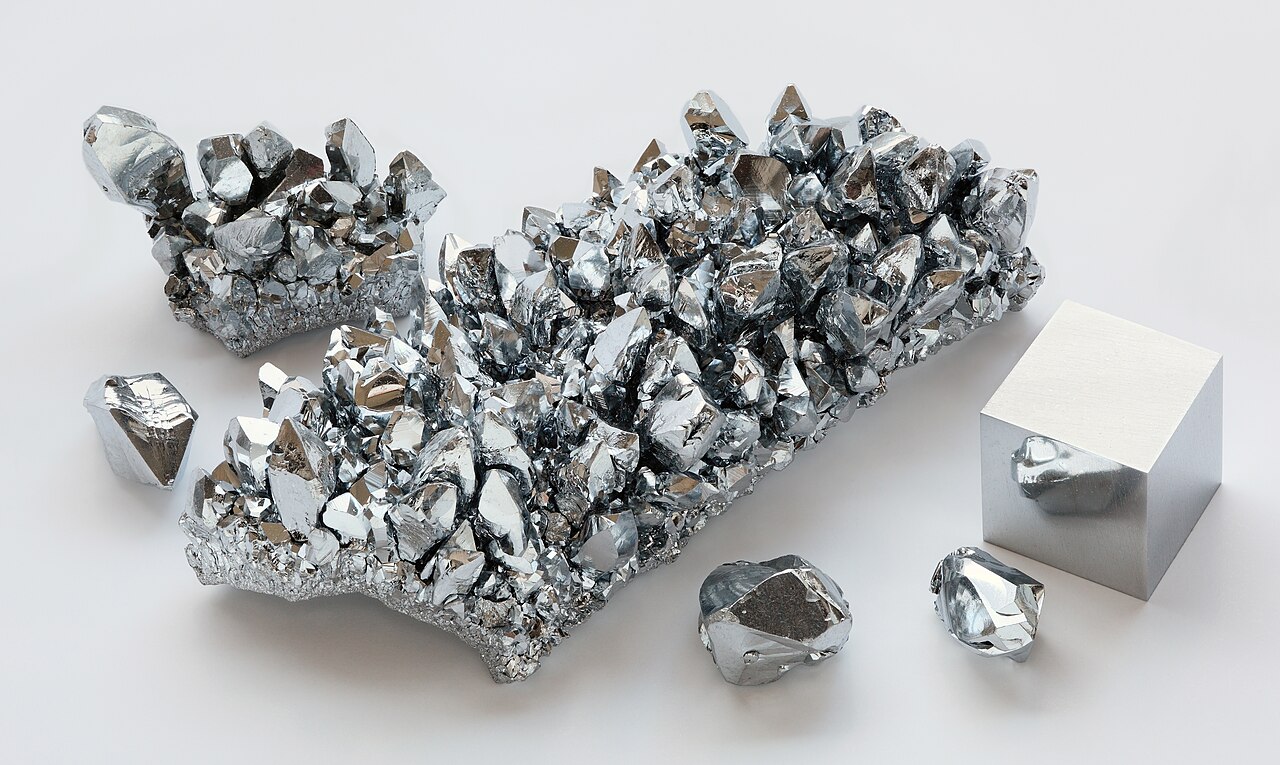
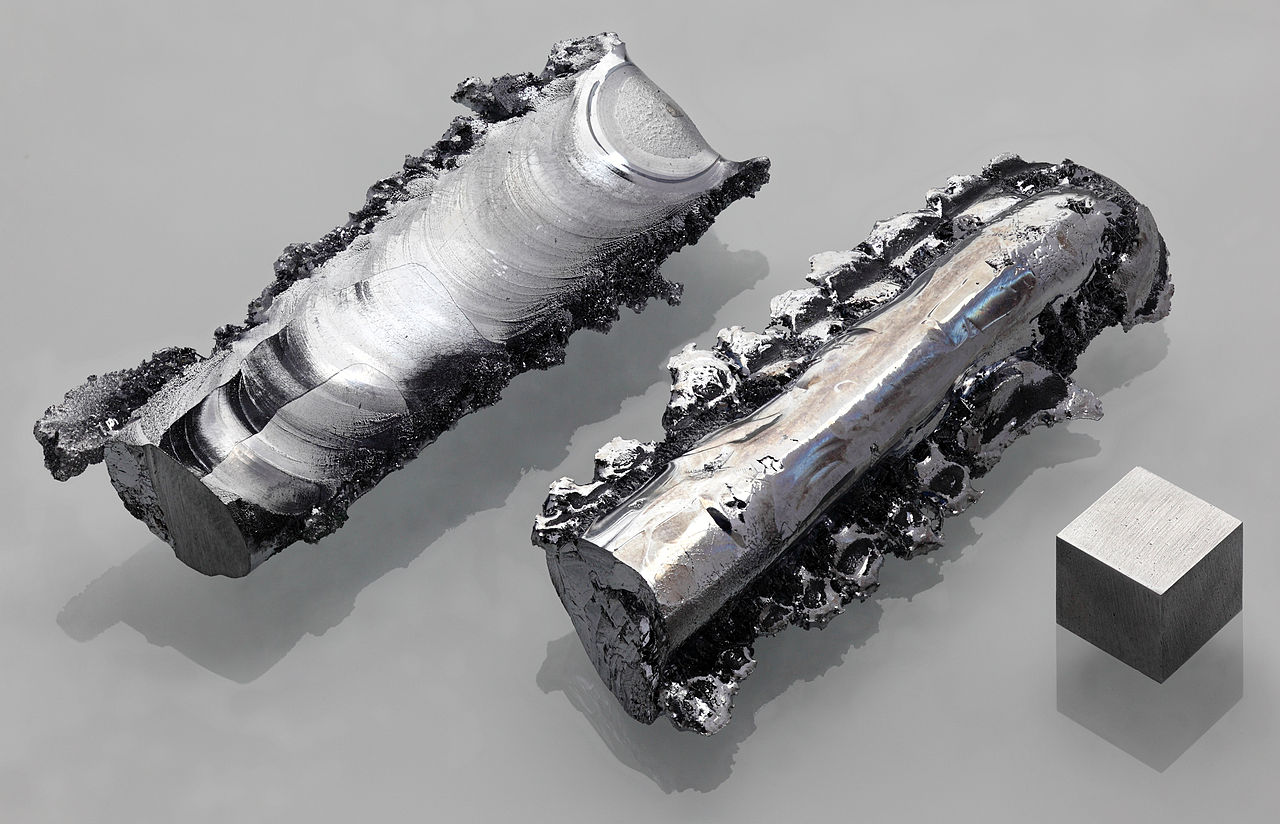
As a metal chromium is silvery-gray, hard, and brittle in bulk form. It develops a thin, adherent oxide layer that protects the surface from further corrosion, which is why small amounts in alloys improve rust resistance. Chemically, chromium forms multiple oxidation states; the most common are +2, +3 and +6. Chromium(VI) compounds are strong oxidizers and have different colors and reactivities from chromium(III) salts.
Occurrence, extraction and materials
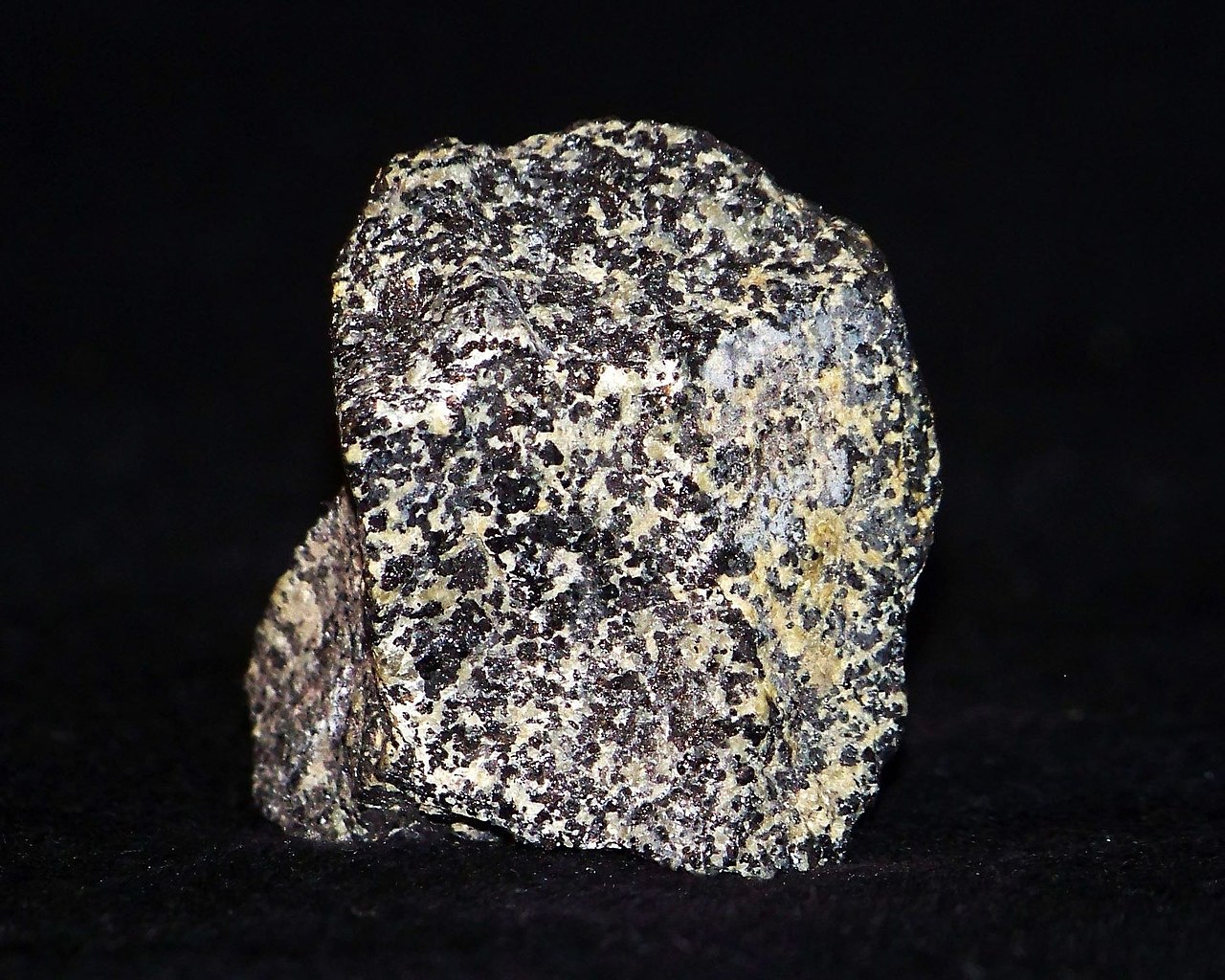
Chromium primarily occurs in the mineral chromite (iron chromium oxide). Industrial production begins with ore mining and smelting to produce ferrochromium, which is then reduced or refined to make chromium metal or alloys. Recycling of stainless steel and other chromium-containing materials is an important source of recovered chromium.
Compounds and major uses
Chromium compounds are widely used because of their stability, color and chemical behavior. Notable applications include:
- Stainless and corrosion-resistant steels, where chromium produces a passive oxide layer that protects iron.
- Electroplating and decorative "chrome" finishes that offer hardness and shine.
- Pigments and dyes historically derived from chromates and dichromates (many of which are now restricted for safety reasons).
- Leather tanning and certain catalysts, mostly employing trivalent chromium salts.
Biological role and safety
Certain trivalent chromium compounds have been described as dietary trace elements, but the extent and mechanisms of any essential role in human metabolism remain subjects of scientific evaluation. In contrast, hexavalent chromium is well documented as toxic and carcinogenic when inhaled or ingested under damaging exposures. Occupational controls, proper waste handling and regulatory limits exist to reduce risks from ions and soluble hexavalent compounds.
History and notable facts
Chromium was discovered in the late 18th century by a French chemist who isolated colorful compounds from minerals and named the element from the Greek word for color. Its versatility—ranging from structural alloys to colorful compounds—combined with important safety distinctions between oxidation states, makes chromium an industrially significant but carefully regulated element.
Questions and answers
Q: What is the symbol for Chromium on the periodic table?
A: The symbol for Chromium on the periodic table is Cr.
Q: What is the atomic number of Chromium?
A: The atomic number of Chromium is 24.
Q: How many protons does Chromium have?
A: Chromium has 24 protons.
Q: What is the mass number of Chromium?
A: The mass number of Chromium is approximately 54, which includes both protons and neutrons.
Q: How many electrons does a metal form of chromium have?
A: A metal form of chromium has 24 electrons.
Q: Are there different isotopes with more or fewer neutrons than usual in chromium?
A: Yes, there are different isotopes with more or fewer neutrons than usual in chromium.
Q: Do ions from chromuim have fewer electrons than a metal form?
A Yes, ions from chromuim have fewer electrons than a metal form.
Related articles
Author
AlegsaOnline.com Chromium — properties, chemistry, uses, and safety Leandro Alegsa
URL: https://en.alegsaonline.com/art/20208