
Nickel — properties, history, uses, and health considerations
Nickel (Ni) is a silvery transition metal, atomic number 28. This article explains its properties, occurrence, industrial uses, biological effects, and notable facts.
Overview: Nickel is a metallic chemical element widely represented in engineering and chemistry. Its chemical symbol is Ni and it appears on the periodic table with atomic number 28. The standard atomic mass of naturally occurring nickel is about 58.69 unified atomic mass units, and its nucleus contains 28 protons. Nickel is categorized as a transition metal, occupying a familiar role among the elements used for structural alloys and electrochemical devices.
Image gallery
10 Images


Physical and chemical characteristics
Nickel is a hard, silvery-white metal with good ductility and toughness. It commonly crystallizes in a face-centered cubic lattice and has the metallic luster typical of transition elements. Chemically it shows several oxidation states, most frequently +2 and occasionally +3, and forms a variety of salts and coordination compounds. Nickel is corrosion-resistant in many environments and—uniquely among many elements—exhibits ferromagnetic behavior at room temperature in its common forms.
History and occurrence
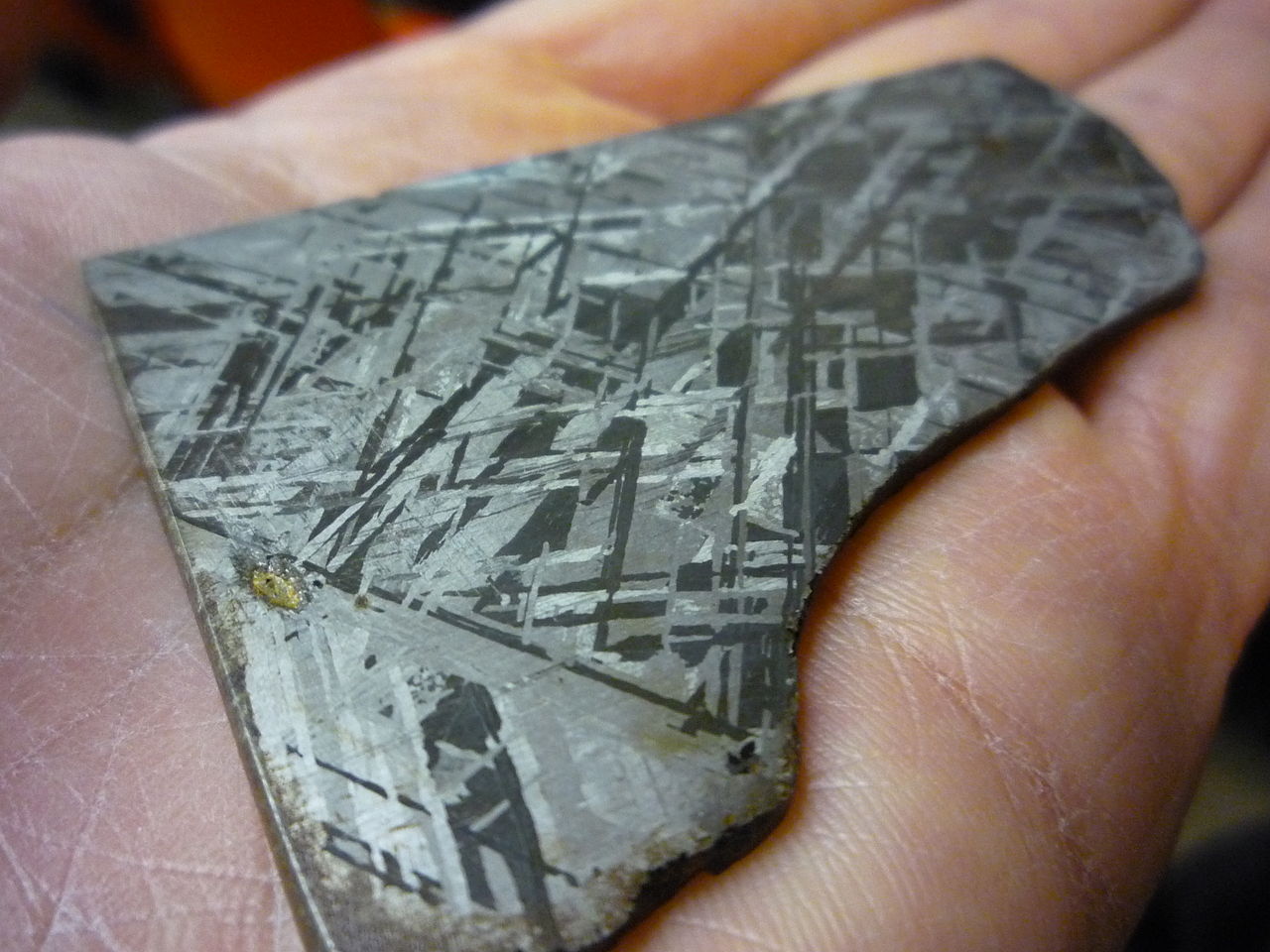
Nickel was isolated and recognized as a distinct element in the 18th century. Its name is derived from miners' folklore—originally from the German term "kupfernickel"—used for copper-colored ores that failed to yield copper. Nickel occurs in nature both in sulfide ores and in lateritic deposits; it is also found alloyed with iron in many meteorites. Commercial production uses smelting and refining processes adapted to the ore type and desired product purity.
Common uses
Nickel's combination of strength, corrosion resistance, and workability makes it central to many applications. Typical uses include:
- Alloys such as stainless steel, nichrome, and superalloys for aerospace and power-generation turbines.
- Electroplating to provide wear and corrosion resistance and a decorative finish.
- Battery technologies: nickel-containing electrodes are important in Ni–Cd, NiMH, and certain lithium-ion battery chemistries.
- Catalysts, coinage, and specialized magnetic materials.
Health, environmental and economic aspects
Nickel is an element of environmental and occupational importance. At trace levels some organisms tolerate or require nickel, but soluble nickel compounds can be toxic and are regulated in workplace air and water. Contact allergy to nickel is a common cause of dermatitis from jewelry and metal fasteners, prompting restrictions on nickel release in consumer items in many regions. Economically, nickel is considered a strategic metal for stainless steels and batteries, and recycling plays a significant role in supply management.
Notable facts and distinctions
Nickel stands out among transition metals for its magnetic properties in elemental form, its frequent occurrence in meteorites as nickel–iron alloys, and its key role in corrosion-resistant alloys. Several stable isotopes exist, with 58Ni the most abundant. Advances in battery chemistry and high-temperature alloys continue to influence demand and research into more sustainable extraction and recycling methods.
Questions and answers
Q: What is nickel?
A: Nickel is an element with a chemical symbol of Ni.
Q: What is the atomic number of nickel?
A: The atomic number of nickel is 28.
Q: What is the atomic mass of nickel?
A: The atomic mass of nickel is about 58.69amu.
Q: How many protons does nickel have?
A: Nickel has 28 protons.
Q: What category does nickel belong to in the periodic table?
A: Nickel belongs to the transition metal category.
Q: What is the abbreviation for the chemical symbol of nickel?
A: The abbreviation for the chemical symbol of nickel is Ni.
Q: What is the full form of the abbreviation amu mentioned in the text?
A: The full form of the abbreviation amu is atomic mass unit.
Related articles
Author
AlegsaOnline.com Nickel — properties, history, uses, and health considerations Leandro Alegsa
URL: https://en.alegsaonline.com/art/69970