
Stove (enclosed heating appliance)
An enclosed appliance in which fuel is burned to produce heat for space heating or for cooking. Covers design, history, common types, uses and safety considerations for solid‑fuel and other stoves.
Overview
A stove is an enclosed device that produces heat by burning fuel or by electric resistance. In common usage the term most often refers to an enclosed chamber where solid fuels are consumed to provide warmth to a room or to heat objects placed on the stove. Stoves range from simple masonry or metal hearths to engineered cast‑iron and steel appliances designed for efficient combustion, controlled airflow and safe operation.
Image gallery
10 Images

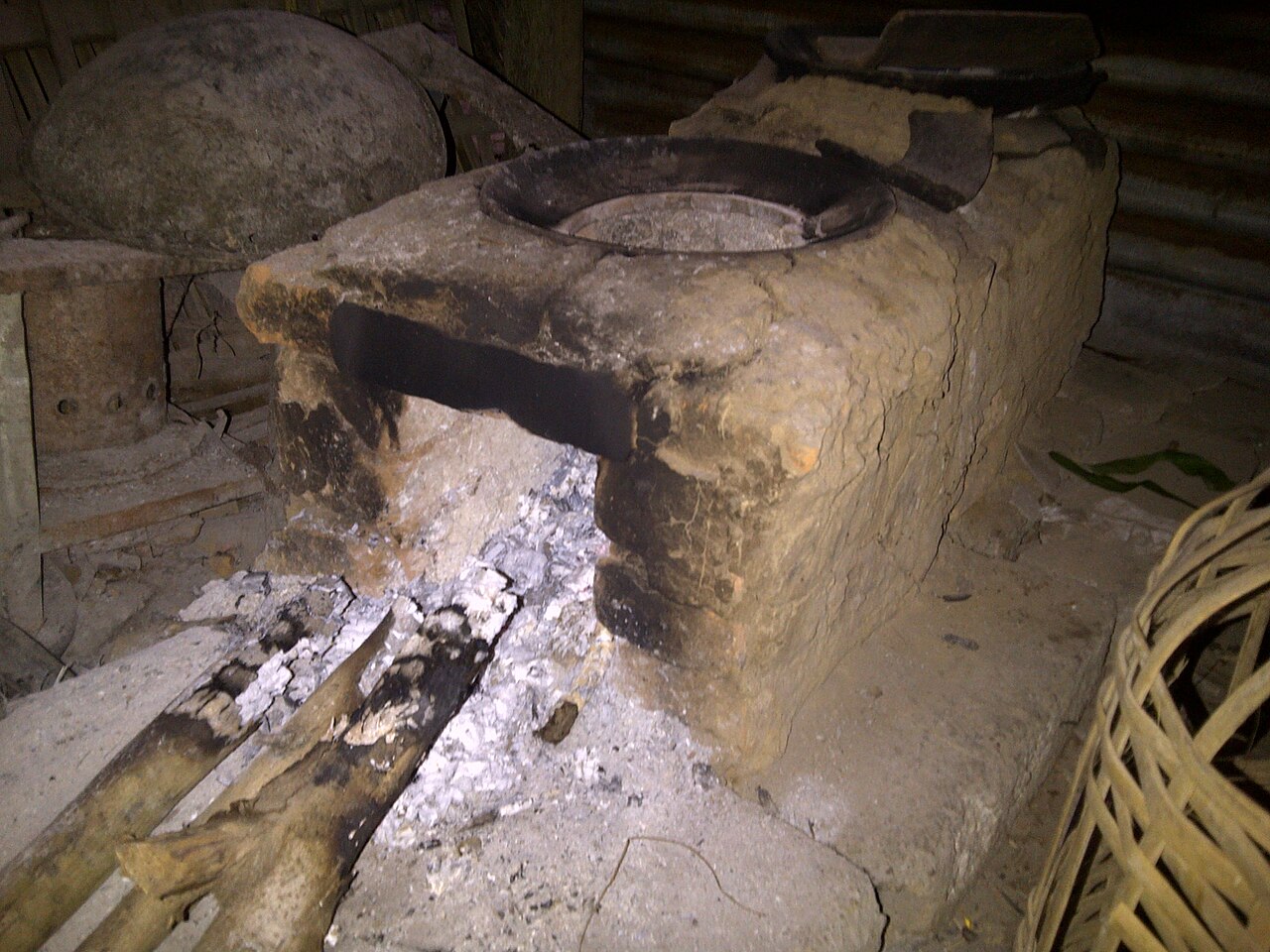


Design and components
Typical elements of an enclosed stove include a combustion chamber, a grate or hearth, an ash pan or tray, an adjustable air intake, and a flue or chimney to carry smoke and gases away. Some modern models incorporate baffles, secondary air inlets or catalytic converters to extract more heat and reduce emissions. Many stoves are built to radiate heat from their body while transferring exhaust heat through a chimney system.
- Combustion chamber — where the fuel burns
- Flue/Chimney — vents combustion products
- Controls — dampers or vents to adjust airflow
- Accessories — ash pans, grates, glass doors
Fuel may be wood, coal, pellets or manufactured solid fuels; see fuel. The primary function is heating indoor space or specific items placed on the stove surface.
History and development
Stoves have ancient antecedents in simple enclosed hearths and masonry ovens. Metal stoves became widely used in the 17th–19th centuries as cast iron manufacturing spread, improving efficiency and safety compared with open fires. The 19th and 20th centuries brought specialized coal stoves, wood stoves, and later pellet and multifuel units. Advances in combustion engineering, emissions control and insulation have continued into the modern era.
Uses and examples
Stoves are used for space heating, cooking, water heating and in some traditional industrial processes. In rural or off‑grid settings solid‑fuel stoves often serve as a primary heat source. Decorative stoves are common in homes for ambience as well as heat. In commercial contexts, larger enclosed stoves or furnace systems provide process heat.
Types and distinctions
Common categories include wood‑burning stoves, coal stoves, pellet stoves, gas stoves and electric stoves. Wood and pellet models are typically sealed to control combustion air and can be highly efficient; coal stoves require different grates and airflow. Gas and electric stoves are not solid‑fuel devices but are called stoves in cooking contexts. Key distinctions involve fuel type, venting requirements, emission profiles and typical efficiencies.
Safety, maintenance and regulation
Proper installation, adequate ventilation and regular maintenance are essential. Creosote buildup in chimneys, improper clearances to combustibles and poor ventilation present fire and health hazards. Many jurisdictions regulate stove installations and require certified units or inspections. Routine tasks include ash removal, chimney sweeping and checking seals and gaskets. Modern designs and retrofit options aim to improve efficiency and lower particulate emissions.
Questions and answers
Q: What is a stove?
A: A stove is an enclosed heated space.
Q: What is usually burned in stoves?
A: Fuel is usually burned in stoves to provide heating.
Q: What is the purpose of burning fuel in stoves?
A: The purpose of burning fuel in stoves is to either provide heating for the space in which the stove is found or to heat the stove itself, and anything placed on it.
Q: What type of stoves is this article concerned with?
A: This article is principally concerned with enclosed stoves burning solid fuels for room heating.
Q: What kind of space must a stove be?
A: A stove must be an enclosed space.
Q: What is the meaning of the word "stove" in a heating context?
A: In a heating context, the word "stove" is usually taken to mean an enclosed space in which fuel is burned to provide heating.
Q: What are stoves used for?
A: Stoves are used for room heating.
Related articles
Author
AlegsaOnline.com Stove (enclosed heating appliance) Leandro Alegsa
URL: https://en.alegsaonline.com/art/94131