
Alloy — definition, types, production, history and common uses
An alloy is a mixture of metals (and sometimes nonmetals) engineered to combine properties like strength, corrosion resistance and conductivity for specific uses.
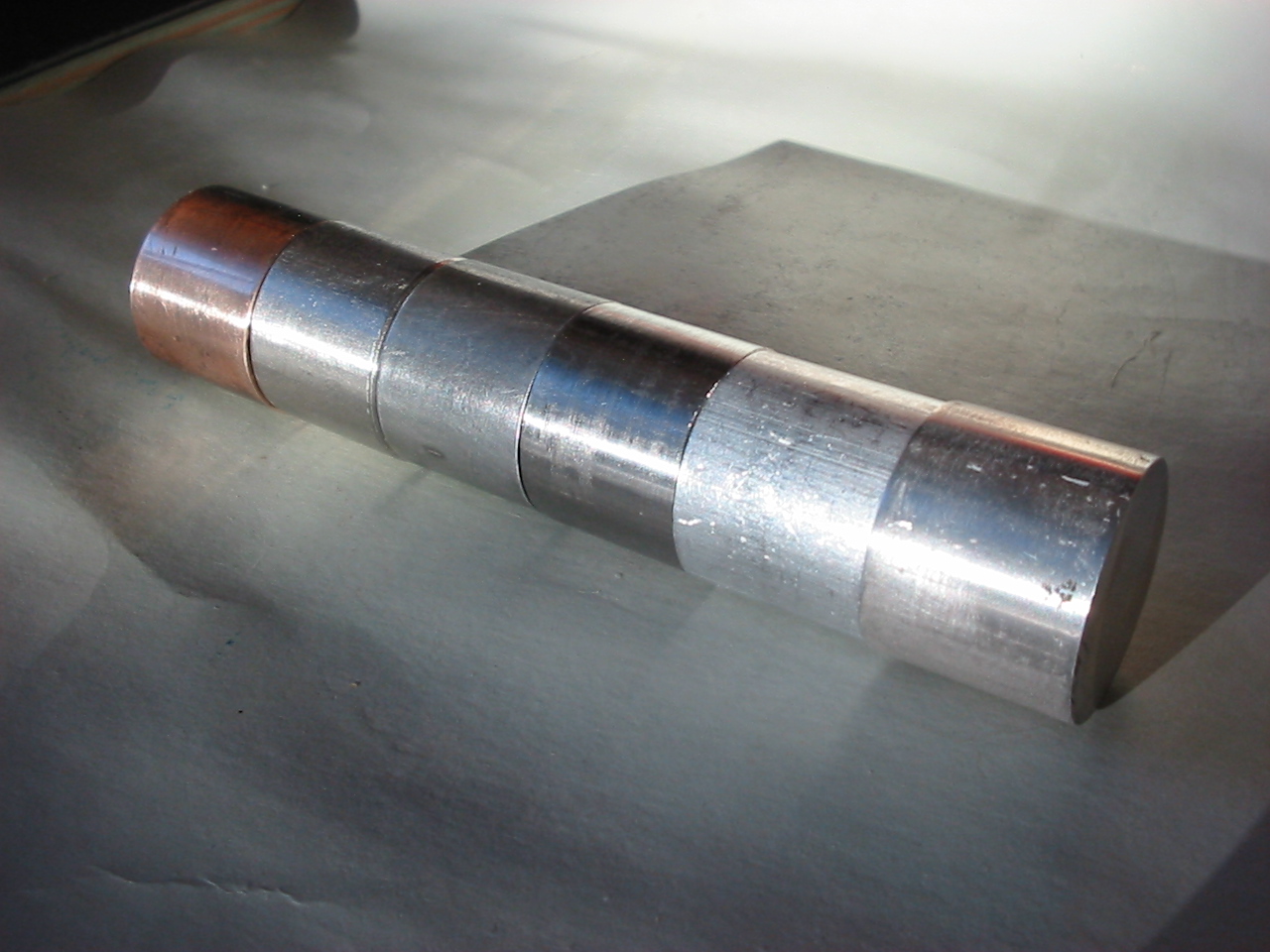
An alloy is a deliberately created blend of two or more chemical elements in which at least one component is a metal. Unlike a simple mechanical mixture, many alloys form solid solutions or distinct phases that give them properties different from their constituent elements. Alloys are engineered to improve or combine attributes such as strength, ductility, hardness, corrosion resistance, electrical conductivity and ease of fabrication.
Image gallery
10 Images






Characteristics and common types
Alloys vary by atomic arrangement and microstructure. Key categories include substitutional alloys, where atoms of similar size replace host atoms; interstitial alloys, where smaller atoms occupy gaps in the metal lattice; and intermetallic compounds with ordered structures. Some alloys are homogeneous at the scale of observation, while others show multiple phases whose proportions depend on composition and cooling history. The behaviour of many alloy systems is summarized with phase diagrams and understood through processes such as solid solution strengthening and precipitation hardening.
Examples and typical uses
- Steel (iron–carbon and other alloying elements): ubiquitous in construction, transportation and tools.
- Bronze (copper–tin): historically important for tools and sculpture; valued for wear resistance.
- Brass (copper–zinc): used for fittings, musical instruments and decorative items.
- Aluminium alloys: used in lightweight structures, vehicles and aircraft components.
- Solders and bearing alloys: formulated for low melting point or antifriction performance.
Each example shows how modifying composition tailors mechanical and chemical behaviour for a target application. For more on the underlying chemical elements and their roles in alloying, see introductory materials linked below.
Production methods and processing
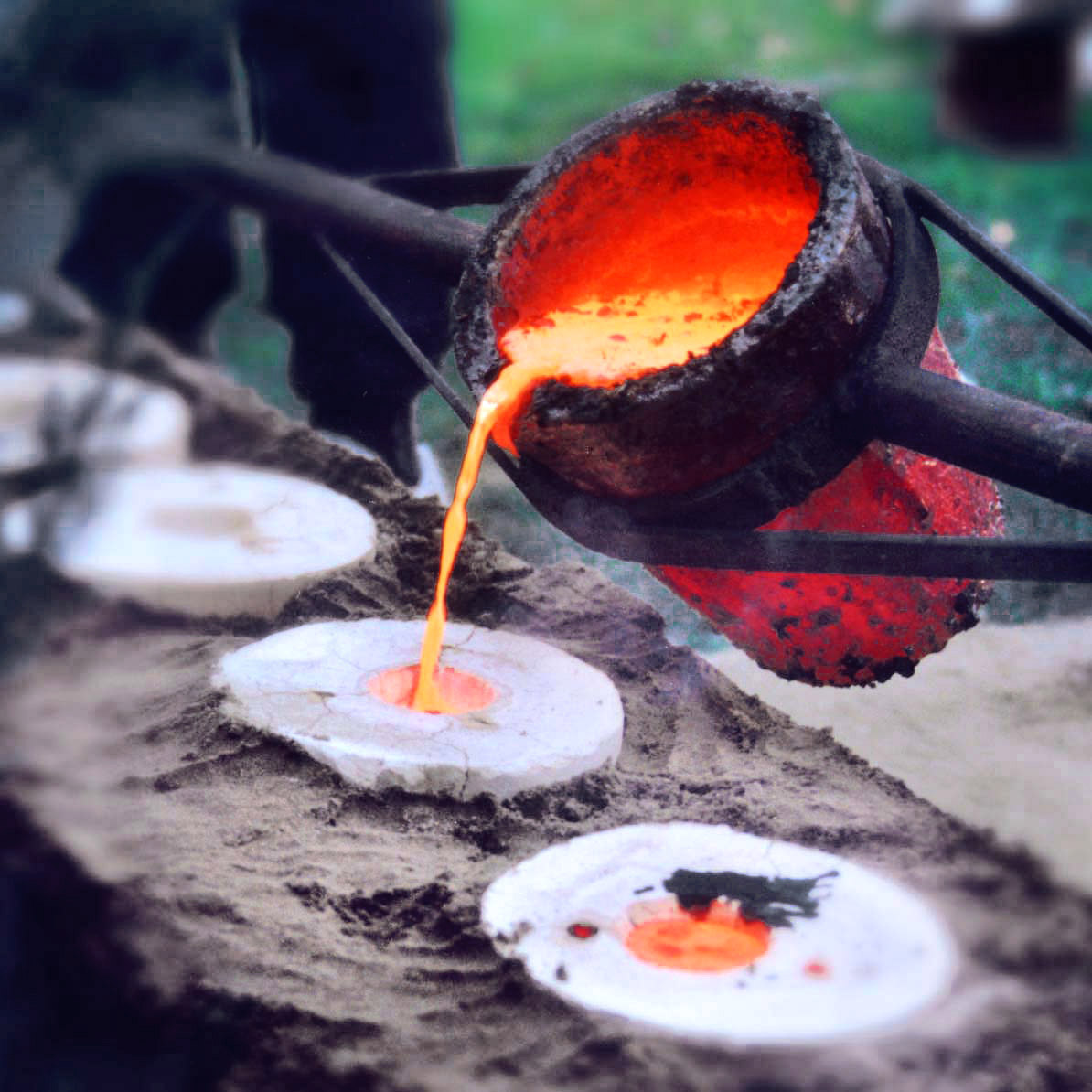
Most traditional alloys are produced by melting the constituents, mixing them while liquid, and solidifying under controlled cooling. Modern practice also includes powder metallurgy, rapid solidification, thermomechanical processing and surface treatments. Heat treatments such as annealing, quenching and tempering alter microstructure and performance. Manufacturing choices affect grain size, phase distribution and residual stresses, all of which influence final properties.
Alloys have shaped technological history — from the Bronze Age to the development of iron and steel and, more recently, specialized high-performance alloys for aerospace and electronics. Their versatility and recyclability make them central to modern engineering. For a concise summary of typical alloy properties and selection criteria, consult authoritative materials science resources.
Questions and answers
Q: What is an alloy?
A: An alloy is a uniform mixture made up of two or more chemical elements, of which at least one is a metal.
Q: Why do alloys have different properties from the metals they are made of?
A: Alloys have different properties because they are made up of a mixture of different metals and sometimes non-metals, which can enhance or change their properties.
Q: How are most alloys made?
A: Most alloys are made by melting the metals, mixing them while they are liquid to form a solution, then leaving them to cool and turn solid again.
Q: What is the purpose of making alloys?
A: The purpose of making alloys can be to improve or change the properties of metals such as their strength, hardness, durability, or resistance to corrosion.
Q: Can alloys also contain non-metals?
A: Yes, alloys can also contain non-metals in addition to metals.
Q: Are all alloys made by melting metals and mixing them together?
A: Yes, most alloys are made by melting metals and mixing them together, although there are some exceptions, such as bulk metallic glasses.
Q: How can the properties of alloys be different from the metals they are made of?
A: The properties of alloys can be different from the metals they are made of because mixing two or more metals together can change their crystal structure, electron arrangement, or the sizes of their atoms, leading to different physical, mechanical, or chemical properties.
Related articles
Author
AlegsaOnline.com Alloy — definition, types, production, history and common uses Leandro Alegsa
URL: https://en.alegsaonline.com/art/2863