
Casting (metalworking): process, history, techniques, and uses
Casting in metalworking is forming objects by pouring molten metal into a mold. This article explains processes, history, common methods, applications, advantages and limitations.
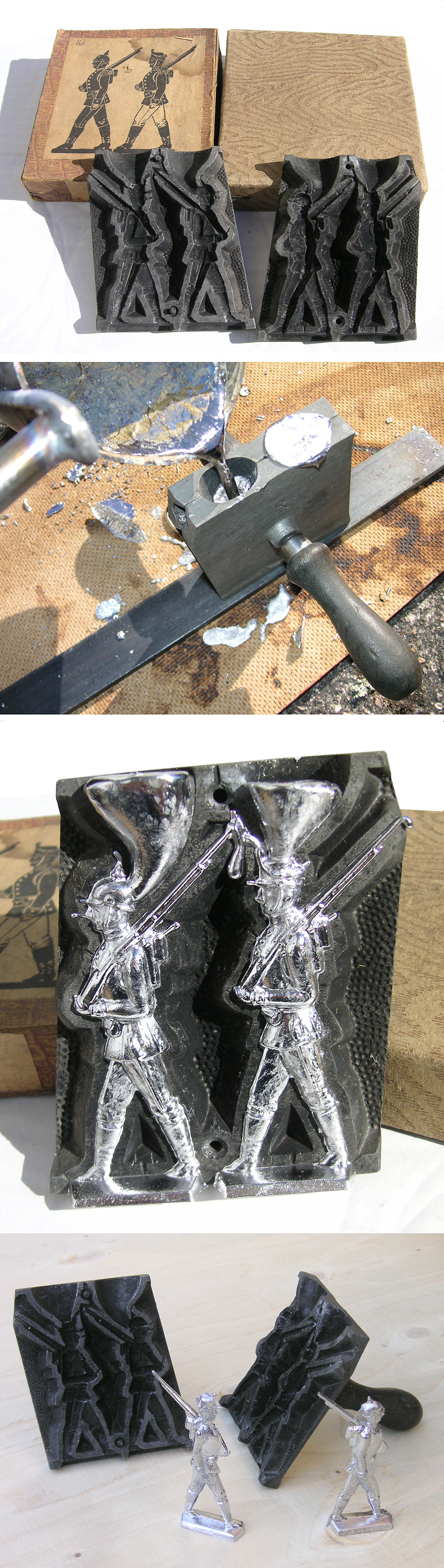
Casting is a foundational metalworking technique in which molten metal is poured into a shaped cavity and allowed to solidify into a desired form. In general usage a finished object produced this way is called a cast or casting. The method can produce complex geometries, internal cavities and repeatable parts with relatively little machining after solidification.
Image gallery
7 Images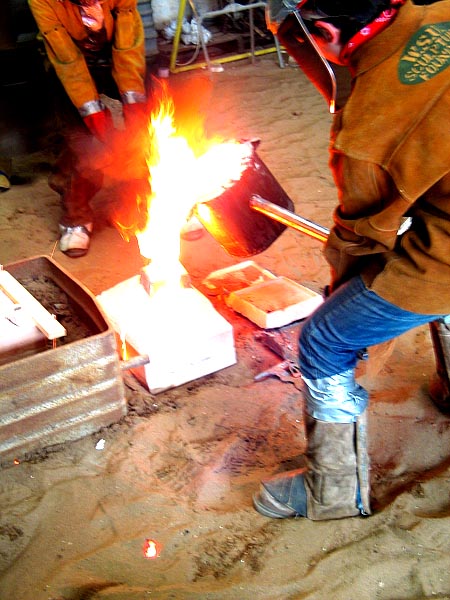





Core characteristics and common steps
The basic sequence begins with preparing a pattern or model, forming a mold, melting and refining the metal, pouring the liquid metal, and then finishing the solidified casting. Molds may be reusable or expendable and are made from sand, metal, ceramic, plaster, or investment materials. Control of temperature, pour rate and gating design influences soundness and dimensional accuracy.
Major casting methods
- Sand casting: Flexible and cost-effective for large parts and small production runs.
- Die casting: Uses metal molds for high-volume production of nonferrous alloys.
- Investment (lost-wax) casting: Produces fine detail for jewelry and precision parts.
- Continuous and centrifugal casting: Used for billets, tubes and long sections.
History and cultural importance
Casting has been practiced for thousands of years and played a central role in the development of tools, weapons and art. Ancient civilizations used casting for bronze tools and ritual objects; over time techniques evolved alongside metallurgy and patternmaking. Today modern foundries combine traditional skills with computer-aided design and simulation to improve quality.
Applications, advantages and limitations
Castings are used in engineering components, automotive and aerospace parts, sculpture and art, as well as jewelry. Advantages include the ability to form complex shapes and integrate features that reduce assembly. Limitations include potential casting defects (porosity, shrinkage, inclusions), surface finish that may require machining, and material constraints for extreme service conditions.
Related fields and further reading
Casting intersects with metallurgy, patternmaking and machining. Practical mastery blends material science with shop practice and design for manufacturability. For an introduction to metals and shop processes, see general resources on metalworking.
Tags
Related articles
Author
AlegsaOnline.com Casting (metalworking): process, history, techniques, and uses Leandro Alegsa
URL: https://en.alegsaonline.com/art/17513