
Manganese: Properties, Uses, Occurrence, and Biological Roles
Overview of manganese (Mn): physical and chemical properties, industrial uses in steel and batteries, global occurrence and mining, plus its biological roles, dietary importance, and health effects.
Mn is the chemical symbol for manganese, the element with atomic number 25. It is a transition metal found on the periodic table and is classified as a chemical element. Manganese is sometimes mistaken for magnesium because their names sound similar, but their symbols and chemical behaviours are different.
Image gallery
10 Images


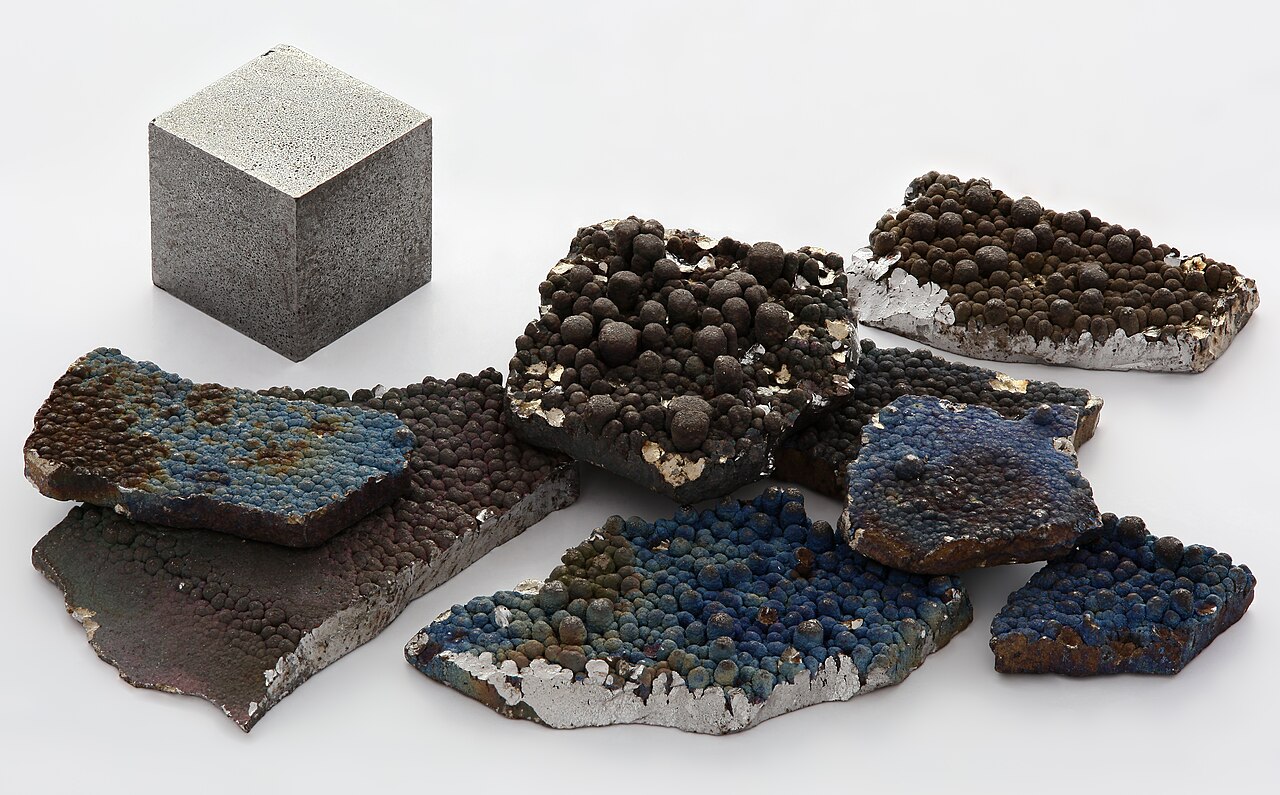
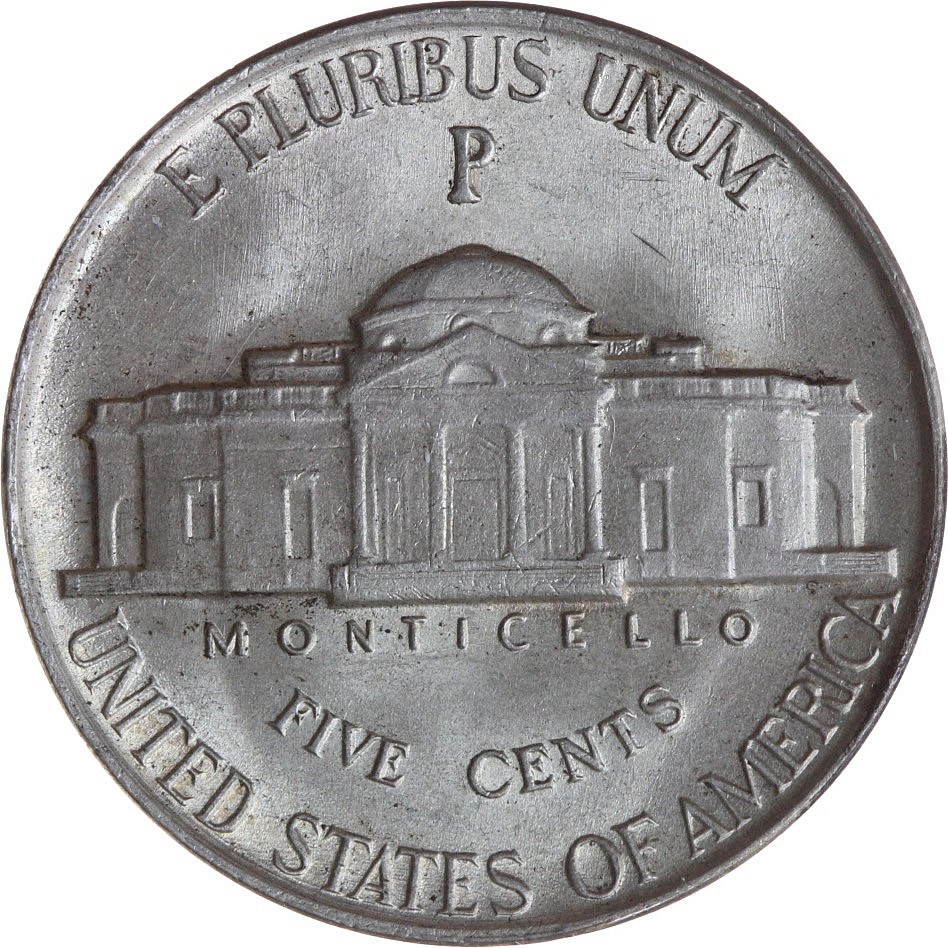


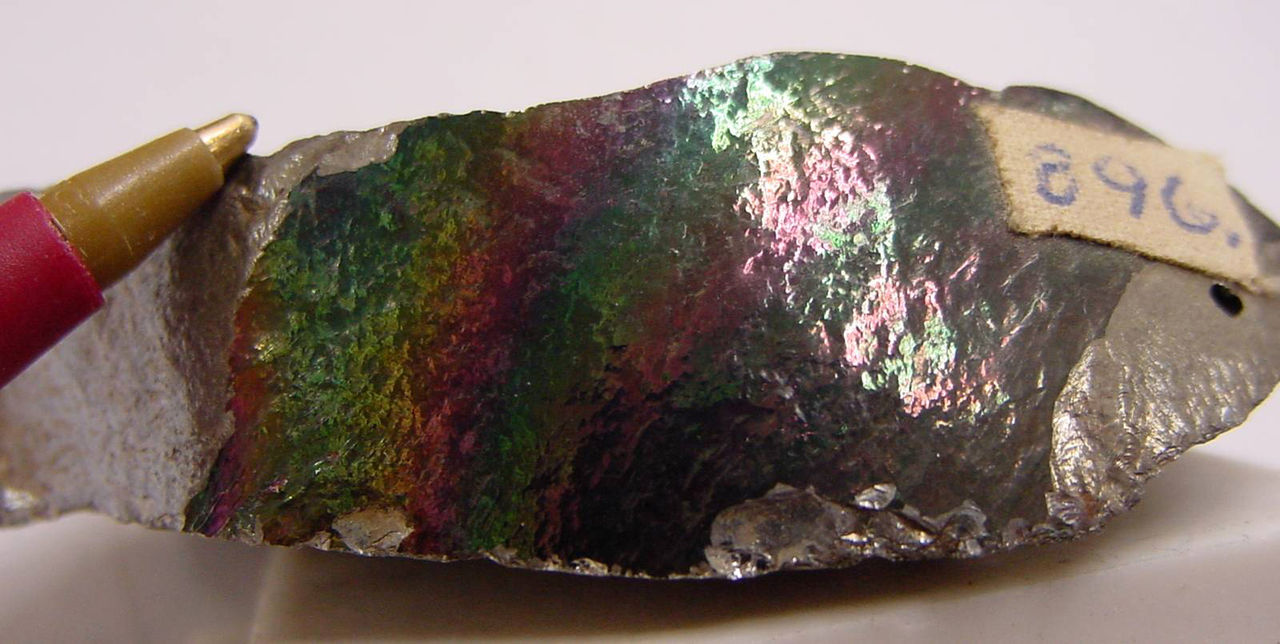
Basic properties
Manganese atoms contain 25 protons, giving the element its atomic number. The standard atomic weight is about 54.94 unified atomic mass units (u). In its metallic form manganese is hard and brittle at room temperature and displays several oxidation states; the +2, +3, +4, +6 and +7 states are commonly encountered in compounds. One of the most common manganese minerals is pyrolusite (primarily MnO2).
Major uses
- Steel production: The largest demand for manganese is as an additive in steelmaking. Manganese improves hardness, strength and wear resistance, and it acts as a deoxidizer and desulfurizer during steel manufacture.
- Battery materials: Compounds such as manganese(IV) oxide are used as active materials in alkaline and Leclanché (zinc–carbon) cells.
- Alloys and other applications: Manganese is alloyed with aluminium and other metals to produce materials with useful mechanical and corrosion-resistant properties. It is also used in ceramics, pigments and as a catalyst in some chemical processes.
Biological role and health
Manganese is an essential trace element for both plants and animals. It participates in enzymes involved in metabolism, bone formation and antioxidant protection. Dietary manganese is obtained from a variety of foods, and deficiency is uncommon but can impair growth and reproductive functions in animals. At higher than needed levels, manganese can be toxic—prolonged exposure to elevated manganese (particularly by inhalation) may lead to neurological effects. Intake and safety depend on the chemical form and exposure route.
Occurrence and production
Manganese is widely distributed in the Earth’s crust and is mined from several kinds of ores. Commercial production typically involves separating manganese-rich minerals, followed by processing to produce ferroalloys for the steel industry or refined metal for other uses.
Related articles
Author
AlegsaOnline.com Manganese: Properties, Uses, Occurrence, and Biological Roles Leandro Alegsa
URL: https://en.alegsaonline.com/art/61287