
Pig iron: crude iron produced in blast furnaces
Pig iron is the high-carbon, brittle intermediate product of smelting iron ore in a blast furnace; it is the raw feedstock for steelmaking and other refined iron products.
Pig iron is an intermediate, high-carbon form of iron produced by smelting iron ore. It contains several alloying and impurity elements—most notably a high proportion of carbon—which make it hard and brittle in its crude state. Pig iron is not a finished material for construction; rather, it serves as the basic feedstock for further refining into steel, cast iron, wrought iron, and other products.
Image gallery
3 Images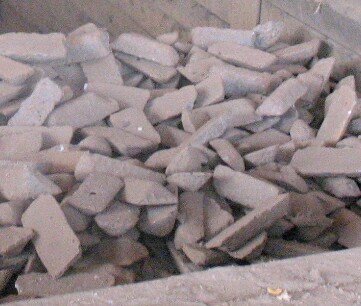


Characteristics
Pig iron is typically gray or silvery and is brittle because of its carbon and silicon content. Chemically it contains carbon, silicon, manganese, phosphorus and sulfur in varying amounts depending on the ore and fuel. Its relatively high carbon content gives it low ductility and limited use without additional processing. Physical properties and composition can be adjusted later through refining.
Production process
Production begins in a blast furnace, where crushed iron ore, coke and limestone are charged and heated. The chemical reduction of the ore yields molten metal and a separate slag. The molten alloy is tapped from the furnace and cast into moulds to form ingots or 'pigs'. This casting step is a form of casting that historically produced a branching layout of ingots, leading to the name. The overall smelting operation is a kind of smelting that transforms ore into metallic form.
History and name
The term 'pig iron' dates to traditional foundry practice. When the molten metal was run into a central channel and into smaller side moulds, the arrangement resembled piglets nursing from a mother sow; each small ingot was called a "piglet" and the runner a "sow." That imagery explains the name used by early ironworkers and it persists in modern terminology.
Uses and refining
Pig iron is seldom used directly. It is remelted and refined to reduce carbon and remove impurities so it can be converted into steel or various kinds of cast iron. Methods include basic oxygen furnaces, electric arc furnaces, and foundry remelting. Processors may also mix pig iron with scrap metal to achieve desired compositions.
Distinctions and notable facts
- Pig iron is distinct from finished steel: it is an unrefined, high-carbon product.
- Cast shapes produced during initial cooling are sometimes called ingots or ingot forms; historic imagery likened them to a piglet.
- Understanding its composition is important for downstream metallurgy and product quality.
- Modern terminology and process control allow manufacturers to tailor pig iron chemistry for specific steelmaking routes, with links to detailed technical references available for further reading (iron, carbon, smelting, ingot, blast furnace, casting, piglet).
Questions and answers
Q: What is pig iron?
A: Pig iron is iron that has a high carbon content.
Q: How is pig iron produced?
A: Pig iron is produced by smelting iron ore into ingot form in a blast furnace.
Q: Why is it called pig iron?
A: It is called pig iron because the ingot formed during the casting process looks like a Piglet suckling milk from a sow.
Q: What is the carbon content of pig iron?
A: Pig iron contains a high amount of carbon.
Q: What is the origin of the term pig iron?
A: The term pig iron originated from the resemblance of the ingot to a suckling pig.
Q: What is the primary use of pig iron?
A: Pig iron is primarily used in the production of cast iron and wrought iron.
Q: Is pig iron a finished product?
A: No, pig iron is not a finished product. It is a raw material that is further refined and processed to make finished products.
Related articles
Author
AlegsaOnline.com Pig iron: crude iron produced in blast furnaces Leandro Alegsa
URL: https://en.alegsaonline.com/art/76868