
Storm drain: function, design, environmental impact and maintenance
Network of structures that collect and carry rain and surface runoff from streets, roofs, and paved areas to control flooding and manage water quality; covers types, components, history, and upkeep.
A storm drain is a civil engineering system that collects and conveys excess rainwater and surface runoff away from urban and paved areas. The feature is known by several regional names: storm sewer in the United States, stormwater drain in Australia, stormwater drain in New Zealand and surface water system in the United Kingdom. Storm drains manage runoff from roads, parking areas and roofs and reduce localized flooding after heavy rain or intense storms, protecting property and transportation corridors.
Image gallery
10 Images


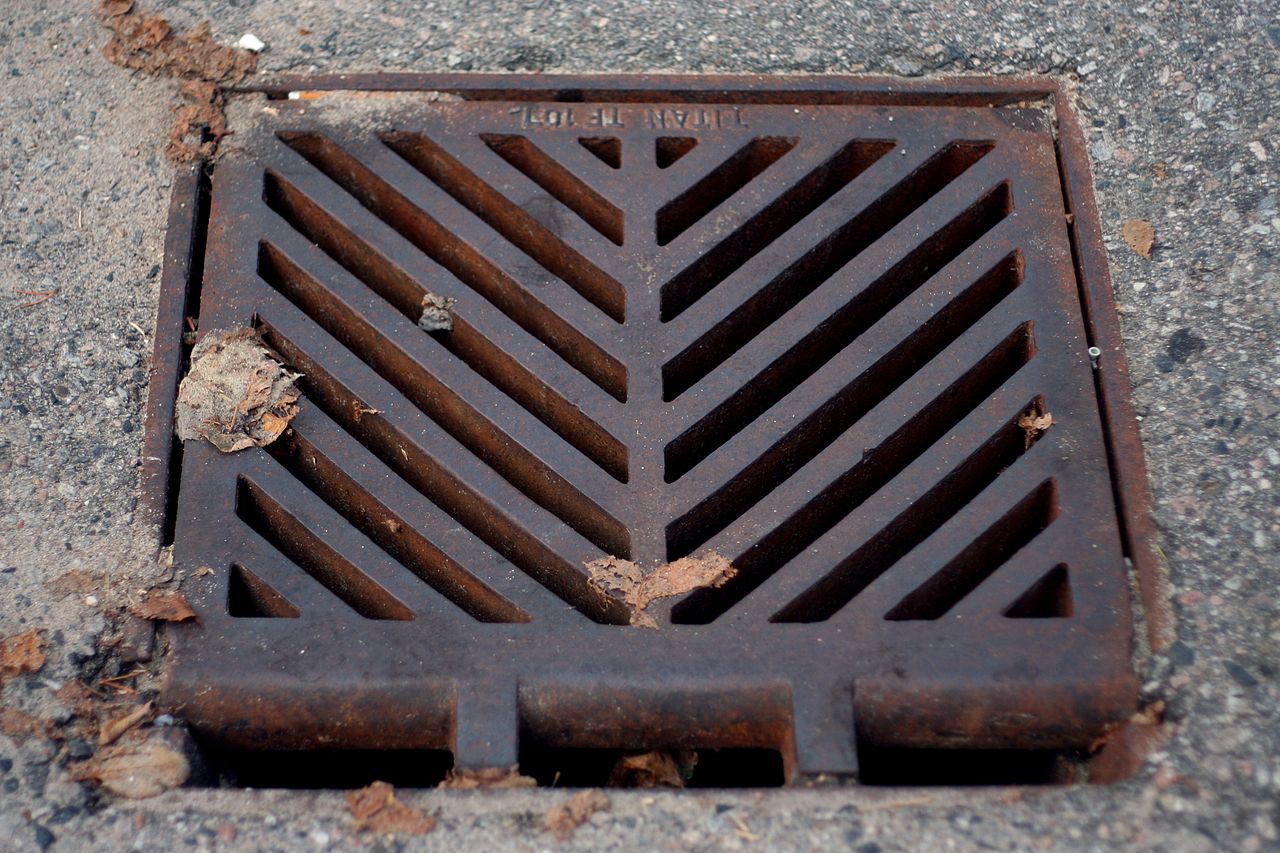


Core components and typical layout
Most systems combine a visible inlet such as a curb opening or grated catch basin with an underground network of pipes that carry water to detention basins, rivers, or the sea. Key elements include:
- Inlets and grates that accept runoff from gutters and paved surfaces like parking lots and streets.
- Catch basins and sumps that trap sediment and debris to reduce clogging.
- Pipes and culverts that convey flow, often with manholes for access.
- Outfalls that discharge to open channels, retention ponds, or coastal waters in coastal locations.
Types, development and history
Storm drainage ranges from simple residential dry wells that soak water into the ground to extensive municipal networks. Historically, urban drainage evolved as cities paved surfaces and separated rainwater from sanitary sewage; early designs focused on rapid conveyance to avoid flooding. Contemporary practice increasingly emphasizes slowing and treating runoff close to its source.
Functions, benefits and environmental issues
Storm drains protect infrastructure and public safety by reducing surface pooling on roads, sidewalks and other paved areas such as sidewalks. However, untreated runoff frequently carries pollutants—oil, sediment, nutrients and litter—into receiving waters, damaging ecosystems. Modern stormwater management balances flood control with water quality through measures like retention ponds, vegetated swales, and permeable pavements.
Maintenance, safety and best practices
Routine cleaning of grates and catch basins prevents blockages and backups. Municipal programs often inspect lines, clear debris, and repair structural damage. Public safety campaigns warn of drowning risks, hidden drop-offs at inlets, and the hazards of attempting repairs without professional equipment. Homeowners can reduce load on public systems by using rain barrels, installing infiltration features, and avoiding disposal of waste into street drains.
Distinctions and notable considerations
Storm drains are distinct from sanitary sewers: storm systems carry surface water while sanitary sewers convey wastewater from buildings. Some older cities use combined sewers that collect both; those systems can overflow during heavy rain. Effective stormwater management today emphasizes decentralized solutions, pollution prevention, and design that accommodates changing rainfall patterns and urban growth. For more detailed guidance and technical standards see regional resources such as local drainage guides and planning documents available from municipal agencies (US, AU, NZ, UK). Additional information on design examples and case studies may be found via engineering references, transportation authorities, and environmental organizations (city, regional, coastal, storm).
Related articles
Author
AlegsaOnline.com Storm drain: function, design, environmental impact and maintenance Leandro Alegsa
URL: https://en.alegsaonline.com/art/94099