
Pudding: varieties, preparation, and cultural meanings
An overview of pudding as a milk-based dessert and the broader British use of 'pudding' for steamed, baked and savory dishes, including common ingredients, flavors, and examples.
Overview
Pudding is a food term that usually refers to a soft, often sweet dish served as a dessert or snack. In many English-speaking regions it denotes a creamy, milk-thickened confection, while in others the word covers a wider range of baked or steamed dishes. The concept of pudding covers both dessert and casual snack preparations, and its texture can vary from silky and spoonable to firm enough to slice.
Image gallery
6 Images



Ingredients and basic preparation
Modern puddings typically rely on a few core ingredients: dairy or a dairy substitute, a sweetener, a flavoring agent, and a thickening element. Many home and commercial recipes use milk, sugar, and a starch such as flour or cornstarch; eggs are often added for richness and setting (eggs). Preparation methods include gentle stovetop cooking to thicken custards, slow baking for set puddings, or chilling pre-made mixes until firm. The thickening agent and cooking method determine whether the final dish is custard-like, gelled, or spoonable.
Common flavors and commercial products
Puddings appear in many flavors. Chocolate remains among the most popular varieties, and classic options include chocolate, vanilla, butterscotch, and fruit-flavored types such as banana. Nut-flavored puddings (for example, pistachio) are also available. Ready-to-eat and instant pudding mixes are sold by large brands; one widely recognized maker in the United States is Jell-O, and many supermarkets carry prepackaged puddings and ready-mix boxes (branded mixes).
British usage and savory varieties
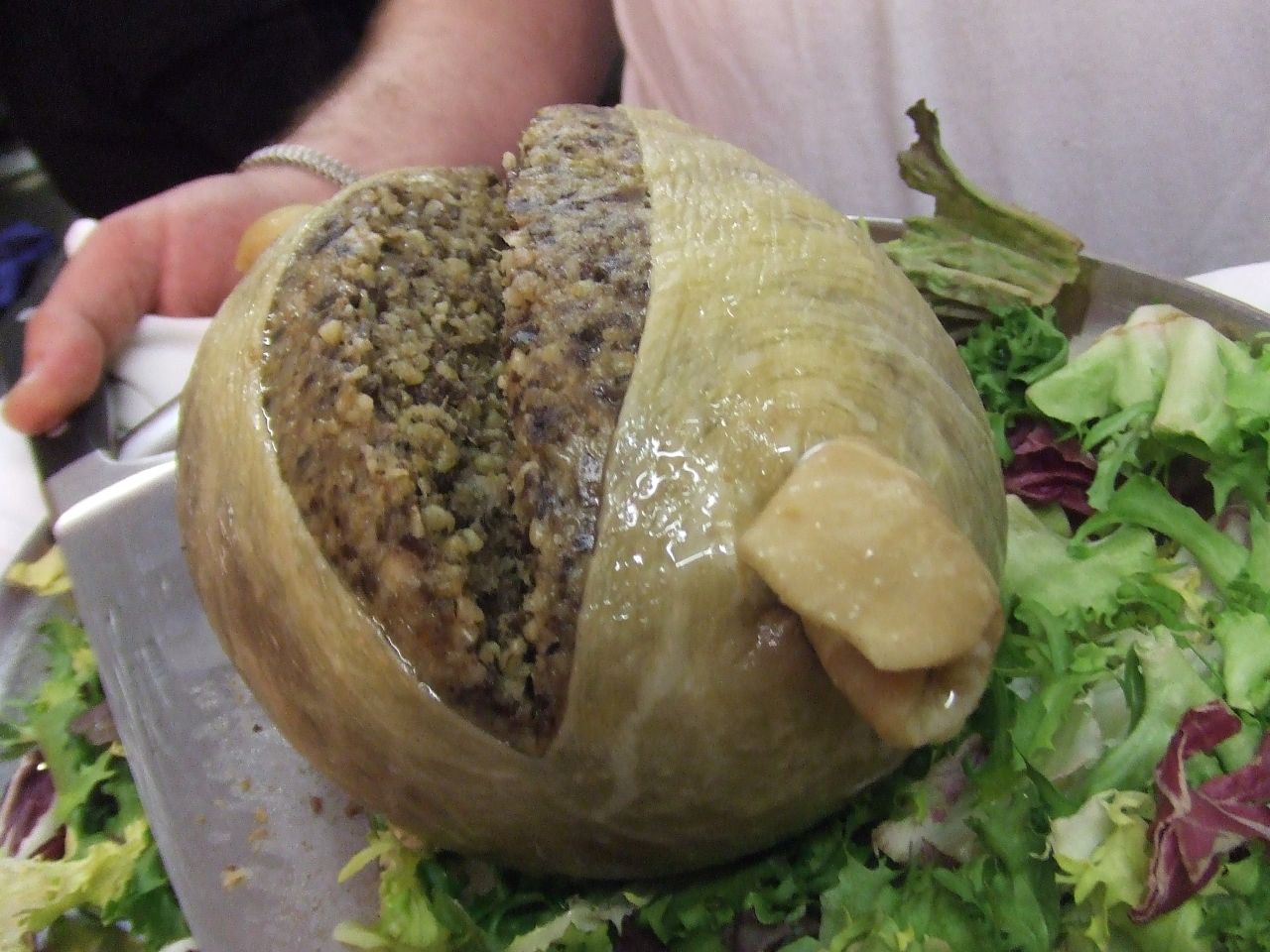
In the United Kingdom and some Commonwealth countries, "pudding" is a broader culinary term. It can mean any dessert, a specific steamed or boiled dish, or even a savory item encased in pastry. Traditional examples include sweet suet puddings such as treacle pudding, milk-based desserts like rice pudding often made with dried fruit such as raisins, and unexpected savory versions such as steak and kidney pudding, which resembles a pie but is made with a softer, steamed pastry.
History, distinctions and cultural notes
The term "pudding" has medieval origins, with early puddings prepared by boiling mixtures of meat, grains, suet or fruit in a casing. Over centuries the meaning split: some culinary traditions emphasized savory, encased puddings while others developed lighter, milk-thickened or custard-like desserts. Today the word spans commercial convenience foods, homemade custards, steamed cakes and regional specialties. When discussing pudding, it helps to specify whether one means the creamy dessert familiar in North America or the broader category that includes baked and steamed British puddings and savory preparations.
Uses and serving
Puddings are versatile: they serve as simple household desserts, components in layered trifles, or as comforting hot dishes. They may be served warm or chilled, plain or with accompaniments such as sauces, whipped cream or fresh fruit. Because pudding techniques overlap with custards, sauces and batters, they form a useful category for both home cooks and pastry professionals exploring texture and flavor combinations.
Related articles
Author
AlegsaOnline.com Pudding: varieties, preparation, and cultural meanings Leandro Alegsa
URL: https://en.alegsaonline.com/art/79934