
Pumpkin pie
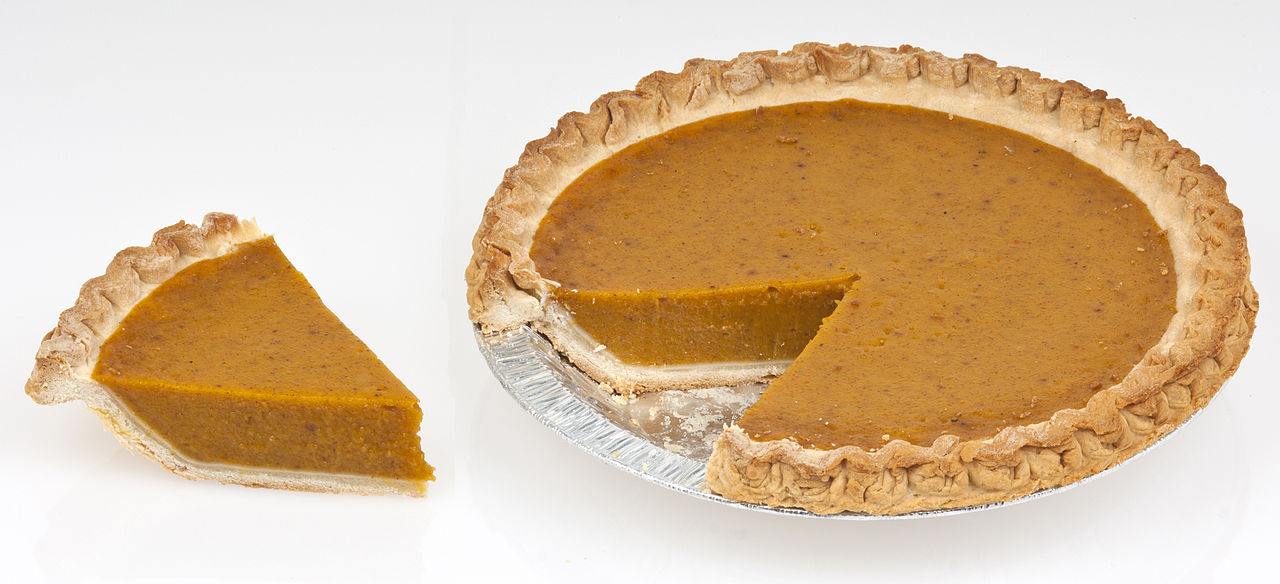
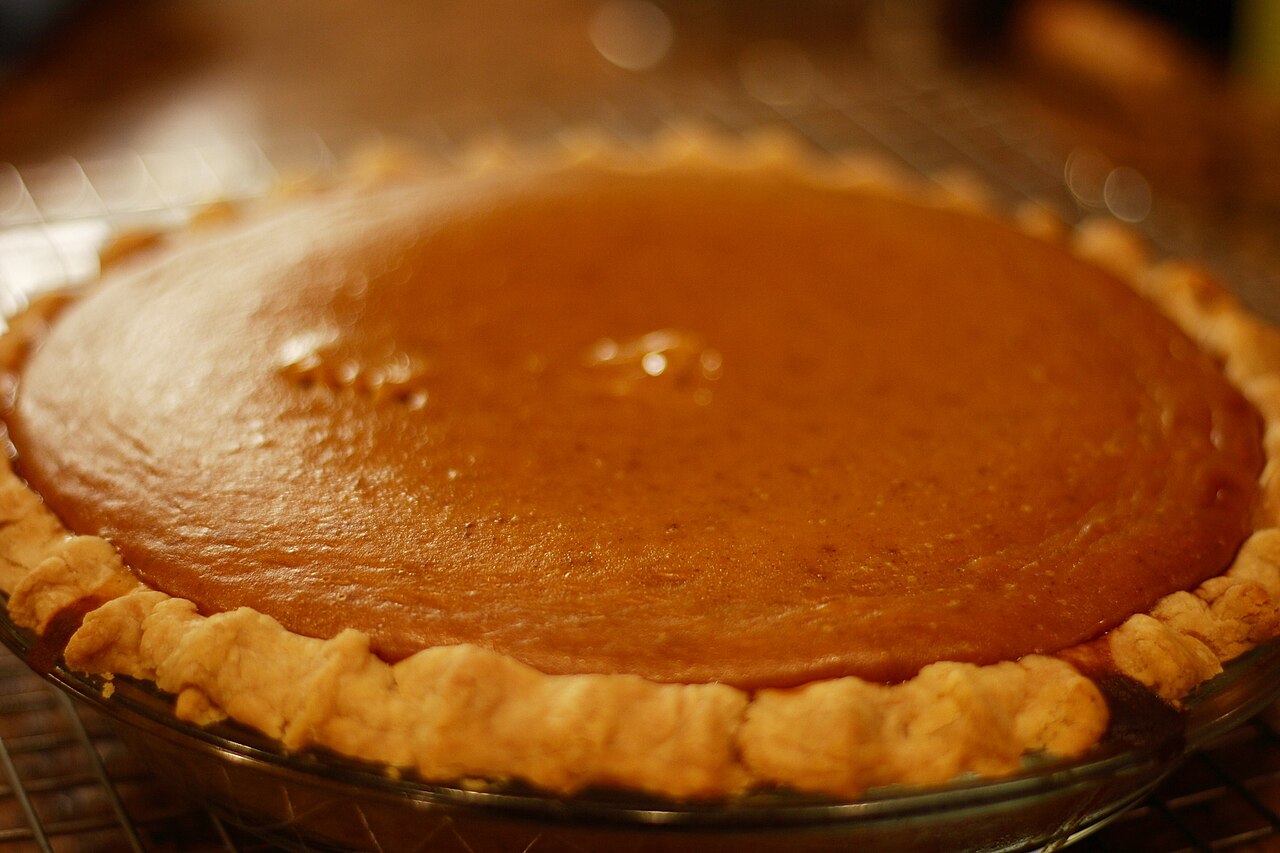
A spiced pumpkin custard baked in a pastry shell, pumpkin pie is a North American autumn dessert closely associated with Thanksgiving and harvest celebrations.
Overview

Image gallery
9 Images





Ingredients and preparation
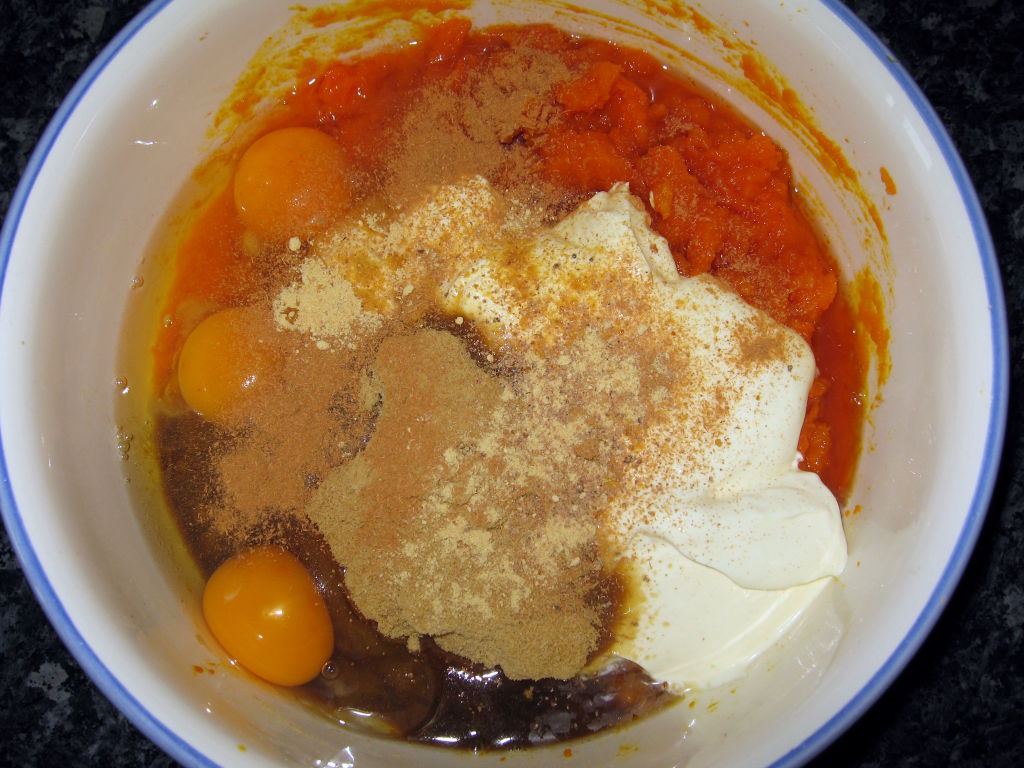
The classic filling blends pumpkin purée with eggs, milk or cream, and sugar to form a custard-like mixture. Spices usually include cinnamon, nutmeg, cloves and ginger; proportions vary by recipe. The baked custard sets while the crust turns golden. Modern cooks sometimes use canned pumpkin purée for consistency, though many prefer freshly roasted pie pumpkins for texture and flavor.
History and cultural significance
Pumpkin has long been a symbol of the autumn harvest in North America, and recipes for pumpkin-based pies evolved from early colonial cookery that adapted European custard and pie techniques to local ingredients. Over time the dish became strongly associated with Thanksgiving in the United States and with fall gatherings in Canada. For many, it is a traditional finale to holiday meals and a seasonal emblem.
Variations and related pies
Regional and family variations are common. Some recipes favor a firmer texture with less dairy, others add a molasses or brown sugar note. Related desserts include sweet potato pie and custard-based pies; these share similar spice profiles and preparation methods. Savory or globetrotting variations sometimes incorporate different squashes or alternative spices.
Notable facts and distinctions
- Pie pumpkins (often 6–8 inches across) are preferred for their sweeter, denser flesh and smaller seed cavities compared with larger carving pumpkins.
- Preparation technique—strain, pre-bake, or mix directly—affects final texture and moisture level.
- The filling is essentially a type of custard made with pumpkin, which distinguishes it from fruit pies that rely on whole or sliced fruit.
Pumpkin pie remains a cultural touchstone during autumn and winter holidays. Its familiar spice blend, creamy texture, and association with seasonal celebrations keep it popular in home kitchens and bakeries. For recipe ideas, storage tips and serving suggestions consult culinary resources and holiday guides: pumpkin basics, Thanksgiving menus, and general cooking references for desserts. Additional reading and regional recipes can be found via curated sources and cookbooks from the United States and Canada.
Questions and answers
Q: What is pumpkin pie?
A: Pumpkin pie is a dessert pie that has a filling made of spiced pumpkin-based custard.
Q: Why is pumpkin used in making pumpkin pie?
A: Pumpkin is used in making pumpkin pie because it is a symbol of harvest time in the United States and Canada.
Q: What occasions is pumpkin pie usually prepared for?
A: Pumpkin pie is usually prepared for Thanksgiving and other occasions when pumpkin is in season in the United States and Canada.
Q: What type of pumpkin is used to make pumpkin pie?
A: Pie pumpkins that are about six-to-eight inches in diameter are used to make pumpkin pie.
Q: How do pie pumpkins differ from jack-o'lantern pumpkins?
A: Pie pumpkins are mostly smaller than jack-o'lantern pumpkins.
Q: Is pumpkin pie a popular dessert in the United States and Canada?
A: Yes, pumpkin pie is a popular dessert in the United States and Canada, especially during the fall season.
Q: What is the filling used in pumpkin pie made of?
A: The filling used in pumpkin pie is made of a spiced pumpkin-based custard.
Related articles
Author
AlegsaOnline.com Pumpkin pie Leandro Alegsa
URL: https://en.alegsaonline.com/art/80044
Sources
- pickyourown.org : "How to Make Homemade Pumpkin Pie"
- books.google.com : The Gentlewoman's Companion
- nytimes.com : "Dessert with a Past"
- atlasobscura.com : "For Decades Southern States Considered Thanksgiving an Act of Northern Aggression" · web.archive.org