
Milk: Mammalian Milk and Its Uses
Milk is the nutrient-rich secretion produced by mammary glands of mammals. This article explains what milk is, its composition, processing into dairy products, nutritional roles, and cultural and practical distinctions.
Overview
Milk is the opaque, usually white substance that many people think of as a clear dietary staple. In biological terms it is a specialized liquid produced by mammals to nourish their young. Familiar domestic sources include cows and goats, but mothers across species — from dogs to humans — all produce milk when nursing.
Image gallery
10 Images
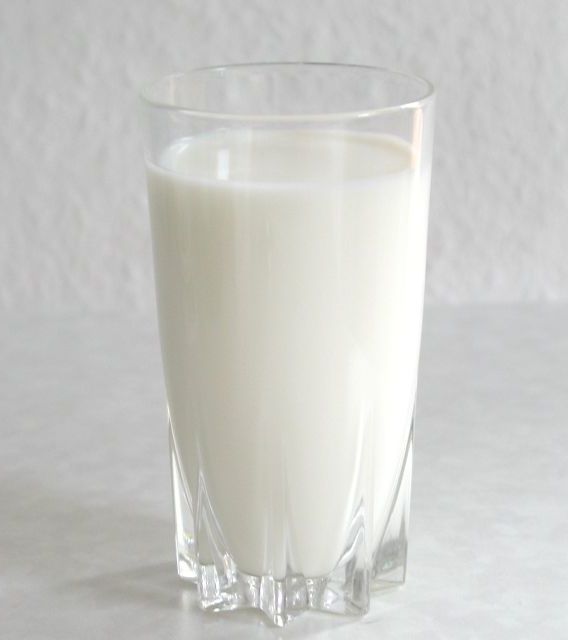



How milk is made
Milk is synthesized in the mammary glands during the period of lactation. In mammals, production is typically triggered by hormonal changes after birth; the first secretion is called colostrum and contains immune factors that help newborns. Only female mammals normally produce milk, and the quantity and composition vary by species, individual health, diet, and stage of lactation.
Composition and nutritional value
Milk contains a mix of water, fats, proteins and carbohydrates plus vitamins and minerals. Key components include:
- Proteins — primarily casein and whey proteins that supply amino acids and affect texture of dairy products.
- Fats — a source of concentrated energy and fat-soluble vitamins.
- Carbohydrates — mostly lactose, the primary sugar in mammalian milk.
- Minerals and vitamins — notably calcium and vitamin D (when present), which support bone health.
Together these nutrients make milk an effective early-life food and a common component of adult diets in many cultures.
Processing and common products
Milk intended for human consumption is often processed to improve safety and shelf life. Typical steps include pasteurization (heating to reduce microbes) and homogenization (breaking fat globules for a uniform texture). Milk is also transformed into a wide range of dairy foods such as cheese, butter, yogurt and cream; each product emphasizes different milk components and techniques.
Uses, health considerations and cultural aspects
Milk is used directly as a drink and as an ingredient in cooking and baking. It plays a central role in infant feeding in mammals and has provided a reliable nutrition source for humans for millennia. However, two important distinctions affect consumption: lactose intolerance, where adults lack the enzyme to digest lactose, and milk allergy, an immune response to milk proteins. Cultural practices, dietary preferences, and concerns about animal welfare and the environment have also increased interest in alternatives such as plant-based "milks" made from soy, oat or nuts.
In summary, milk is a biologically tailored food produced by mammary glands, valued for its range of nutrients and for its adaptability into many foods. Its role varies widely across species and human societies, shaped by biology, technology and culture.
Questions and answers
Q: What is milk?
A: Milk is a white liquid that is made by mammals, including cows, dogs, and humans.
Q: Where is milk made in mammals?
A: Milk is made in the mammary glands of female mammals, which include breasts, udders, or teats.
Q: Why do newborn babies need milk?
A: Newborn babies need milk because they have no teeth yet and cannot eat solid food. Milk has many nutrients that help babies grow and be healthy.
Q: What are the benefits of milk for babies?
A: Milk is a rich source of calcium which is good for the bones and teeth of babies. It also has many other nutrients that help babies grow and be healthy.
Q: Can animals other than cows give milk?
A: Yes, other mammals like dogs and humans also produce milk.
Q: What is the main purpose of milk?
A: The main purpose of milk is to provide necessary nutrients to newborn babies until they can eat solid food.
Q: What nutrient in milk is good for bones and teeth?
A: Calcium is a nutrient found in milk that is beneficial for the bones and teeth of babies.
Related articles
Author
AlegsaOnline.com Milk: Mammalian Milk and Its Uses Leandro Alegsa
URL: https://en.alegsaonline.com/art/64994
Sources
- simple.wiktionary.org : simple.wiktionary.org/wiki/Special:Search/Milk
- commons.wikimedia.org : commons.wikimedia.org/wiki/Special:Search/Milk
- en.wikinews.org : en.wikinews.org/wiki/Special:Search/Milk
- en.wikiquote.org : en.wikiquote.org/wiki/Special:Search/Milk
- en.wikisource.org : en.wikisource.org/wiki/Special:Search/Milk
- en.wikibooks.org : en.wikibooks.org/wiki/Special:Search/Milk
- en.wikiversity.org : en.wikiversity.org/wiki/Special:Search/Milk
- imqh.com : "Sour Milk Recipes"