
Vanilla: the orchid-derived spice and its uses
Vanilla is a spice and aromatic flavoring obtained from orchids of the genus Vanilla. The pods undergo curing to develop aroma; both natural extract and synthetic vanillin are used widely in food, fragrance, and industry.
Vanilla is an aromatic spice and widely used flavoring obtained from the seed pods of orchids in the genus Vanilla. These orchids grow as climbing or trailing plants with long fleshy pods—commonly called "beans"—that contain tiny seeds and complex aromatic compounds. The most commonly cultivated species for commercial vanilla is Vanilla planifolia, although other species such as V. tahitensis and V. pompona are also grown in particular regions.
Image gallery
10 Images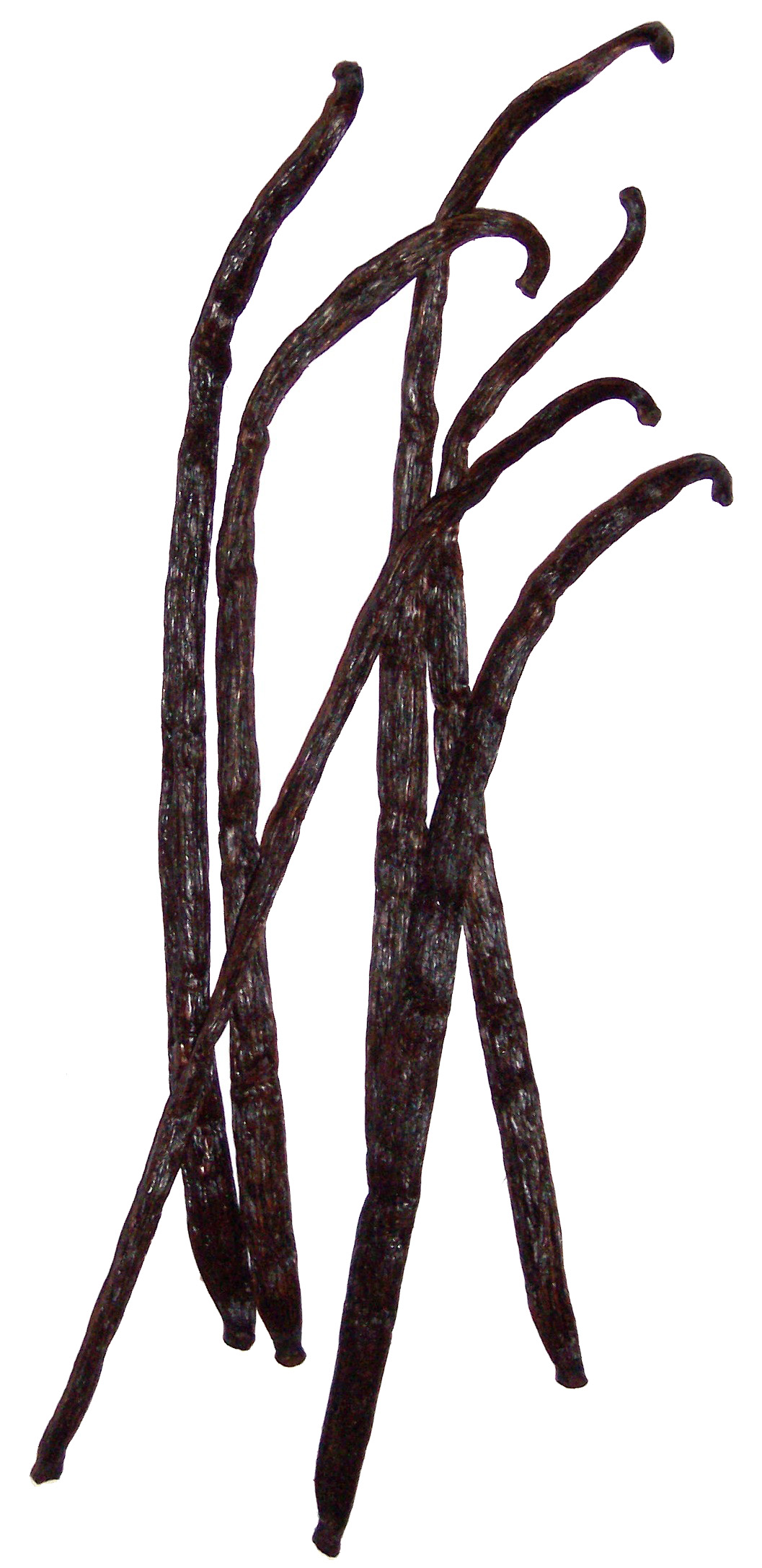




Characteristics and processing
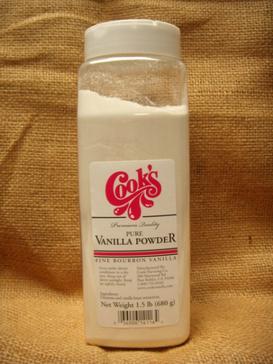
The fresh pods are nearly tasteless until they are cured: a sequence of blanching, sweating, slow drying and conditioning that develops the characteristic vanilla aroma. The scent is created by dozens of volatile compounds, of which vanillin is the most prominent but not the only contributor. Processed forms include whole cured beans, vanilla extract (alcoholic), vanilla powder, and concentrated pastes. Commercial quality varies with origin, curing method and bean maturity.
History and cultivation
Vanilla has its roots in Mesoamerica, where indigenous peoples used the pods both as a condiment and as a component of ceremonial beverages. European awareness of the spice grew after explorers encountered it alongside cacao; historical accounts credit Hernán Cortés with bringing knowledge of vanilla and chocolate to Europe in the 16th century. Outside its native pollinators, natural fruit set is poor; a simple hand-pollination method, widely adopted during the 19th century, enabled plantations on islands and in tropical countries far from the plant's original range.
Uses, industry and chemistry
Vanilla is prized in culinary uses—baked goods, custards, ice cream and confections—as well as in perfumery and aromatherapy. Because high-quality natural vanilla is relatively costly and labor intensive, much of the vanillin used in industry is produced synthetically. Contemporary production therefore includes both artisanal extracts from cured beans and manufacturing in chemical laboratories, which create synthetic vanillin and other aroma chemicals used as less expensive alternatives or as complements to natural extract.
Notable facts and distinctions
- True vanilla comes from orchids in the genus Vanilla; many products labeled "vanilla" contain synthetic vanillin or imitation flavorings instead of pure extract (spice reference).
- Vanilla pods are cured to transform odorless precursors into aromatic molecules; the process and terroir influence final flavor (flavoring reference).
- The plants are vine-like and require support and warm humid climates to grow successfully (orchid, vine references).
Because the natural product contains many compounds besides vanillin, connoisseurs and chefs often prefer pure vanilla extract for its depth and complexity, while manufacturers balance cost and consistency using synthetic ingredients. For further reading on cultivation techniques, processing and varieties, see specialized horticultural and culinary resources.
Related articles
Author
AlegsaOnline.com Vanilla: the orchid-derived spice and its uses Leandro Alegsa
URL: https://en.alegsaonline.com/art/104202
Sources
- herbsocietynashville.org : "The Life of Spice"
- books.google.com : Le Cordon Bleu Cuisine Foundations
- faostat3.fao.org : "FAO's Statistical Database - FAOSTAT"
- vanillaexchange.com : "Rainforest Vanilla Conservation Association"