
Dessert: Definition, Types, History, and Cultural Roles
Dessert is the final course of a meal, typically sweet. This article explains common types, preparation methods, cultural variations, history, and notable distinctions and examples.
Overview
Not to be confused with a dry desert, a dessert is the course usually eaten at the end of a meal. In many cultures the dessert follows lunch or dinner, although a small sweet may also conclude a light meal or serve as a snack. The category is broad: it can mean a single sweet item, a plated course, or a general preference for sugary foods. In simple terms, a dessert is a food item prepared to be enjoyed after savory dishes, often emphasizing sweetness, contrasting textures, and visual appeal. See also the general concept of food.
Image gallery
10 Images




Common types and characteristics
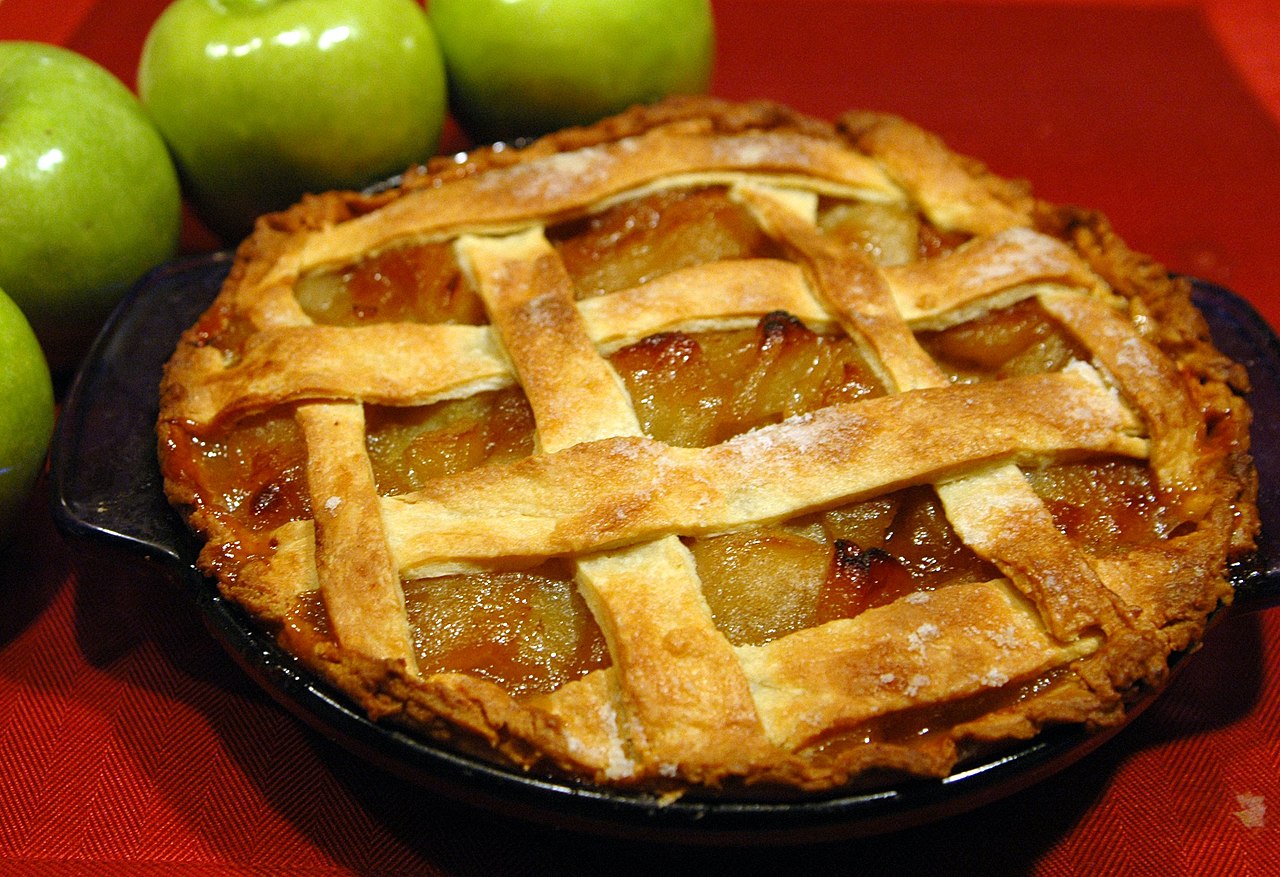
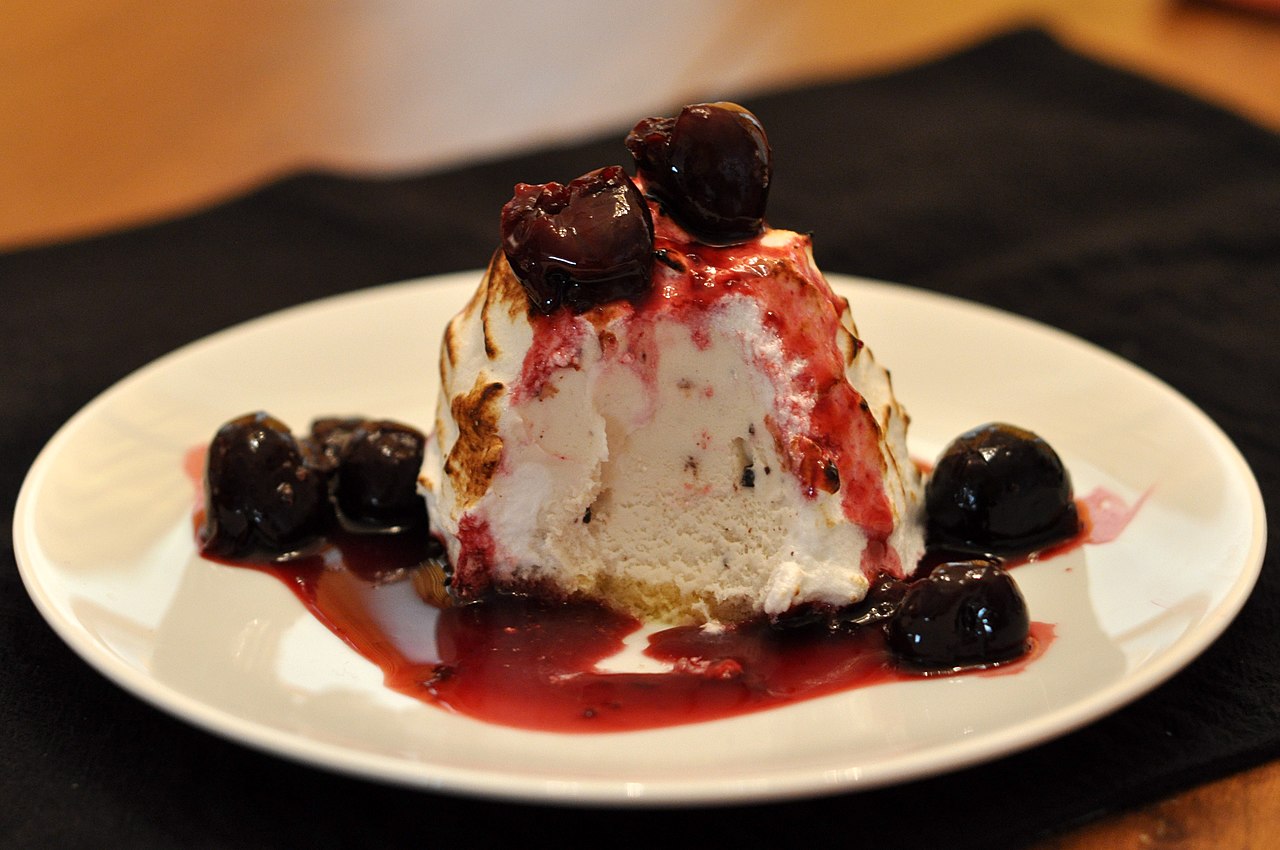
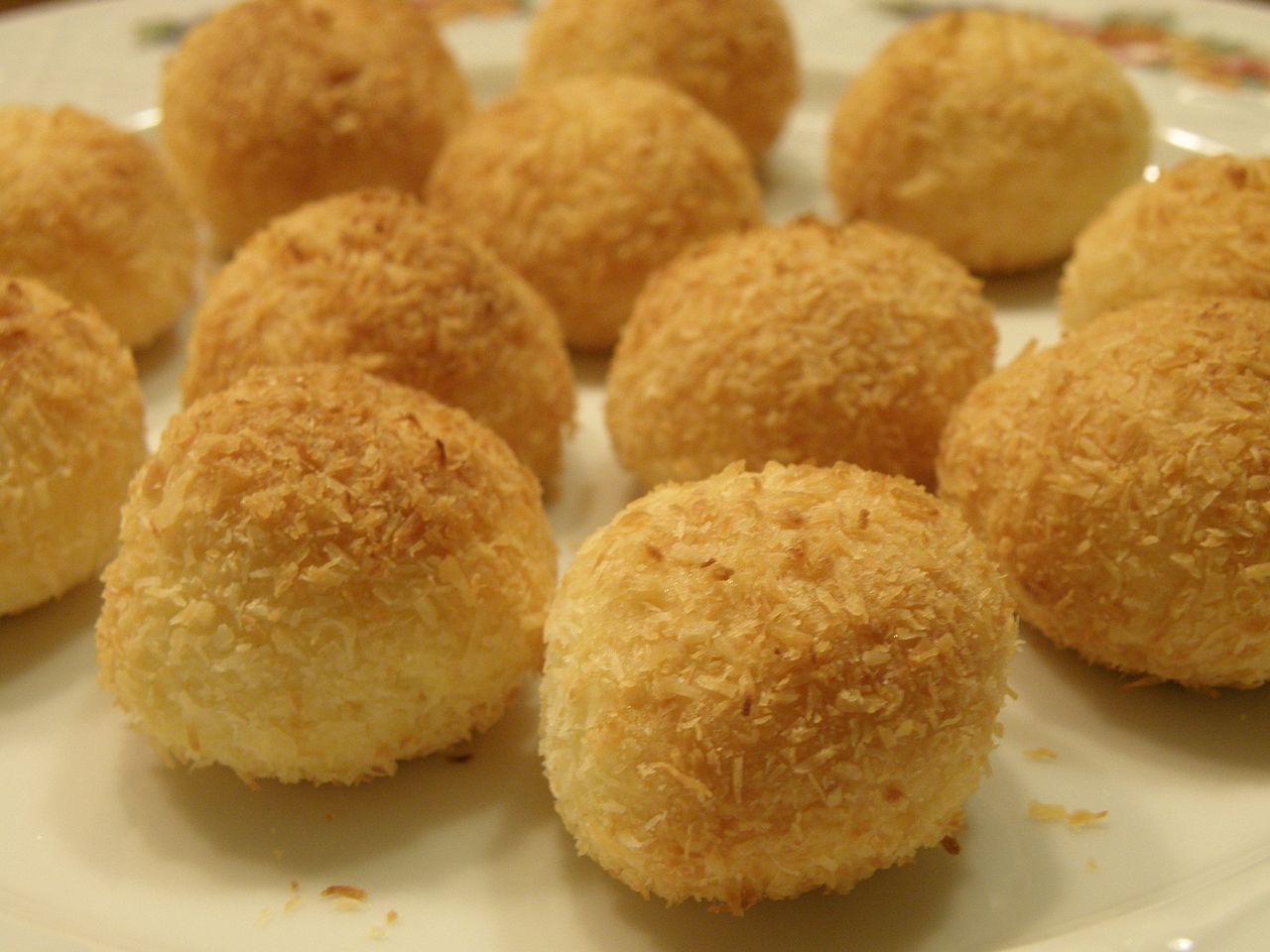
Desserts vary by temperature, texture and preparation. Typical examples include frozen treats like ice cream, baked goods such as cakes and pastries, small crisp items like cookies, and soft, spoonable preparations like puddings and custards. Fruit plays a frequent role—either fresh, preserved, or cooked—as many fruits provide natural sweetness and acidity that complement richer elements. In some cuisines cheeses and fruit are served as the final course, and varieties such as cheeses or Brie may appear alongside fresh fruit. Many desserts are garnished with toppings such as whipped cream.
Types — quick list
- Baked goods: cakes, pies, tarts, pastries
- Confections: candies, chocolates, biscuits
- Frozen desserts: ice creams, sorbets, sherbets
- Custards and puddings: crème brûlée, flans, rice pudding
- Fruit-based: compotes, fruit salads, poached fruit
History and development
Sweets have ancient roots: many early societies sweetened foods with honey and naturally sweet ingredients. The global spread of sugar and refined sweeteners from the medieval period onward transformed dessert production and availability. Over subsequent centuries, culinary techniques such as baking, custard-making, freezing and candying evolved, producing the wide array found today. The modern use of the word "dessert" derives from a term for clearing the table, reflecting its position at the end of a meal.
Preparation methods and presentation
Common methods include baking, freezing, boiling/setting (gelatins and custards), frying (doughnuts, fritters), and simple assembly (parfaits, trifles). Presentation matters: portion size, plating, garnishes and temperature contrasts are used to balance richness and refresh the palate. Many home cooks rely on straightforward recipes, while pastry chefs apply precise techniques to create elaborate plated desserts.
Cultural variations and notable facts
What counts as a dessert differs widely. Some cultures favor small sweets or fruit after a meal; others conclude with cheese or even savory-sweet combinations. Desserts can be ceremonial—birthday cakes or wedding confections—or everyday treats. While often enjoyed for pleasure, desserts also raise considerations about sugar, portion control and nutritional balance; many modern recipes adapt to dietary needs by reducing sugar, using whole grains, or employing alternative sweeteners.
Further reading
For more on related topics and specific recipes, follow links to entries on particular dessert forms and techniques: desert (disambiguation), food, lunch, dinner, ice cream, cookies, cakes, cheeses, Brie, fruit, pudding, whipped cream.
Questions and answers
Q: What is a dessert?
A: A dessert is a type of food that is eaten after lunch or dinner, and sometimes after a light meal or snack. It usually consists of sweet foods such as ice cream, cookies, cakes, cheeses like Brie cheese and fruit.
Q: How are some desserts made?
A: Some desserts are made from natural resources like fruit juice used in sherbet while others are simple like pudding and birthday cake. Many desserts are also baked (cooked in an oven).
Q: What types of confections can be considered desserts?
A: Desserts can include biscuits, cakes, cookies, custards, gelatin's, ice creams, pastries, pies, puddings, sweet soups and tarts.
Q: Is fruit commonly found in dessert courses?
A: Yes - Fruit is commonly found in dessert courses because of its naturally occurring sweetness.
Q: Do some cultures sweeten savoury foods to create desserts?
A: Yes - Some cultures sweeten savoury foods to create desserts.
Q: Is whipped cream often served with desserts?
A: Yes - Some desserts are served with whipped cream as a topping.
Related articles
Author
AlegsaOnline.com Dessert: Definition, Types, History, and Cultural Roles Leandro Alegsa
URL: https://en.alegsaonline.com/art/26876