
Snack (small portions of food eaten between meals)
Overview of snacks: small portions eaten between meals, common types, history, cultural role, and nutritional considerations including processed vs whole-food options.
A snack is a small portion of food consumed outside the main meals of the day. Snacks are typically eaten to satisfy short-term hunger, provide a quick source of energy, bridge long gaps between meals, or accompany social activities. The form and role of snacks vary widely: they can be a piece of fresh produce, a sweet treat, a savory item, or a convenience food sold ready-to-eat.
Image gallery
10 Images


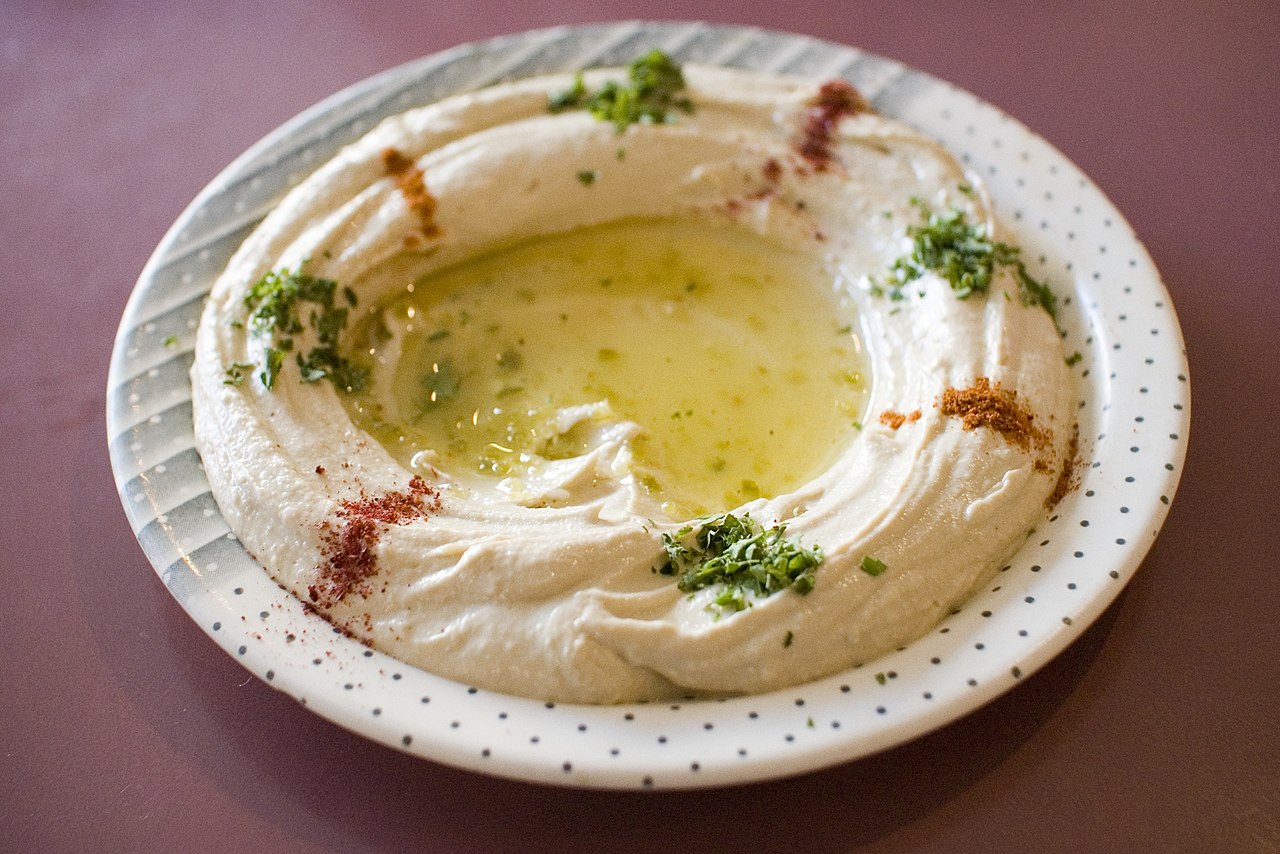


Characteristics and common examples
By definition, snacks are smaller than full meals and are often portable, easy to prepare, or prepackaged. Commonly eaten items include crunchy, salty, or sweet options. Examples of typical snacks are listed below; these items illustrate the range from whole foods to processed products:
- potato chips — a salty, packaged snack often sold in single-serve bags
- fruit — such as apples, bananas, or berries, often chosen for convenience and nutrients
- candy — concentrated sugary treats that are eaten for taste rather than nutrition
- muffins — baked snacks that can be sweet or savory and vary in portion size
- ice cream — a chilled, often single-serving dessert that may be eaten between meals
- popcorn — a whole-grain snack that can be prepared in different ways, from air-popped to buttered
History and development
The practice of eating small bites or street foods between meals has long histories in many cultures, from marketplaces to tea-time traditions. The modern concept of packaged snack foods expanded with industrial food processing, refrigeration, and mass distribution. Over time, advertising and convenience culture increased demand for ready-to-eat snack items, and innovations like single-serve packaging and vending machines made them more accessible.
Snacks serve several social and practical functions: they can be part of celebrations, a comfort food, an accompaniment to beverages, or a handy solution for busy schedules. Children’s routines, workplace breaks, and travel often encourage snacking at predictable times.
Nutritional considerations are central to discussions about snacking. Whole-food choices such as fruit, nuts, yogurt, or plain popcorn provide vitamins, fiber, and satiety, while many processed snacks are energy-dense and high in salt, sugar, or saturated fat. Portion control, ingredient awareness, and frequency of snacking influence whether snacks help meet dietary needs or contribute to excess calorie intake. Public-health guidance typically emphasizes nutrient-rich, minimally processed options and mindful eating habits.
Notable distinctions include the difference between a small meal and a snack, cultural variations in what counts as a snack, and temporal trends in consumption. For example, surveys and market reports have noted shifts in snacking patterns in recent years and occasional increases in at-home snacking during widespread disruptions to daily routines. Understanding snacks requires looking at culinary tradition, food industry practices, individual behavior, and nutrition science.
Related articles
Author
AlegsaOnline.com Snack (small portions of food eaten between meals) Leandro Alegsa
URL: https://en.alegsaonline.com/art/91290