
Pastry: Dough and Baked Goods — Types, Ingredients, and Uses
Overview of pastry as both dough and finished baked items: common ingredients, basic techniques, principal types (shortcrust, puff, choux, filo), examples and a brief history.
Overview
Pastry can mean two related things: the raw dough used in baking and the finished sweet or savoury baked items made from that dough. The working material — often referred to simply as dough — is typically rolled, folded or layered to create structures that support fillings, provide texture, or act as individual small cakes and tarts. Both the ingredient list and the method determine whether a pastry will be flaky, crumbly, tender or airy.
Image gallery
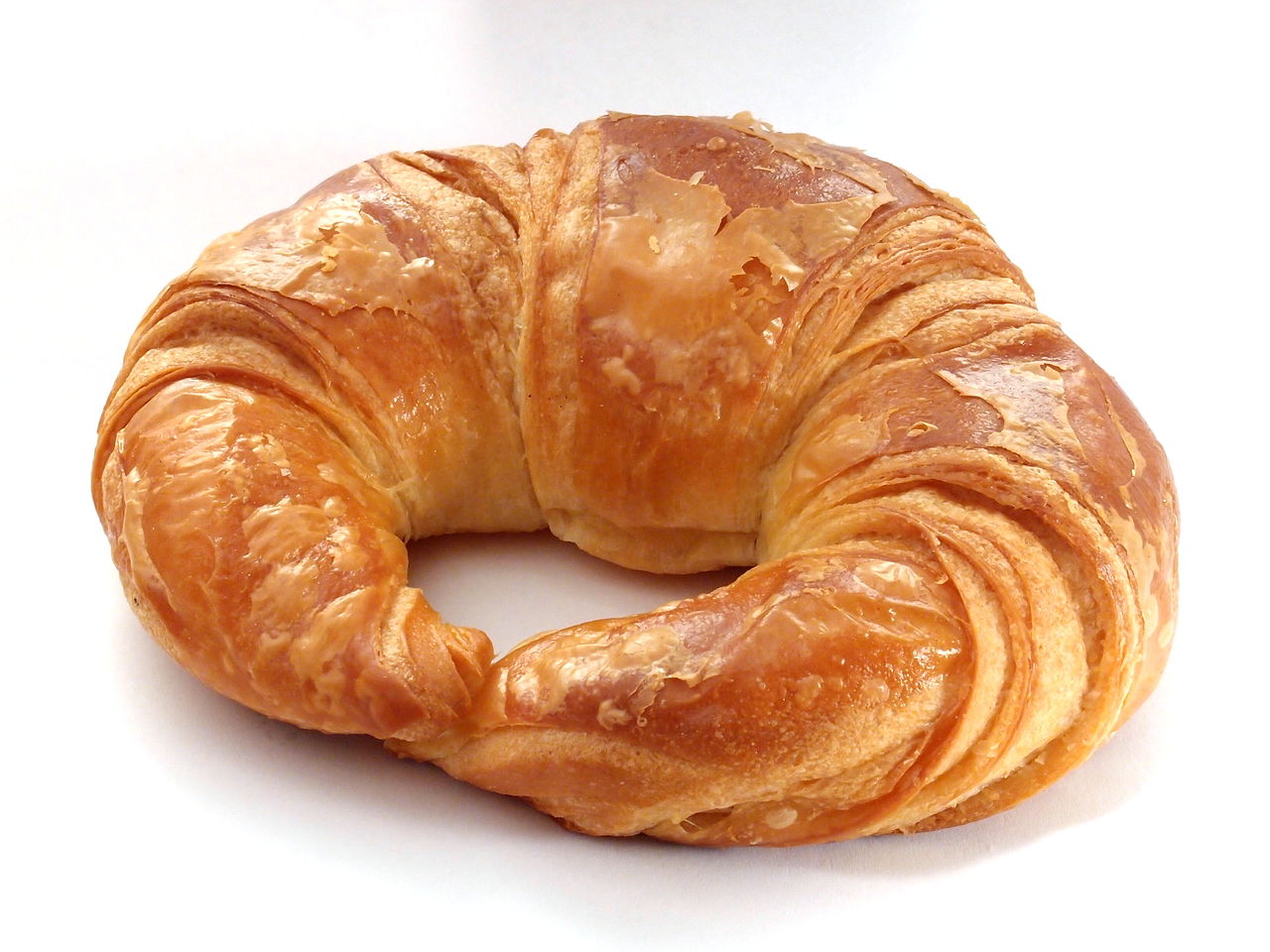
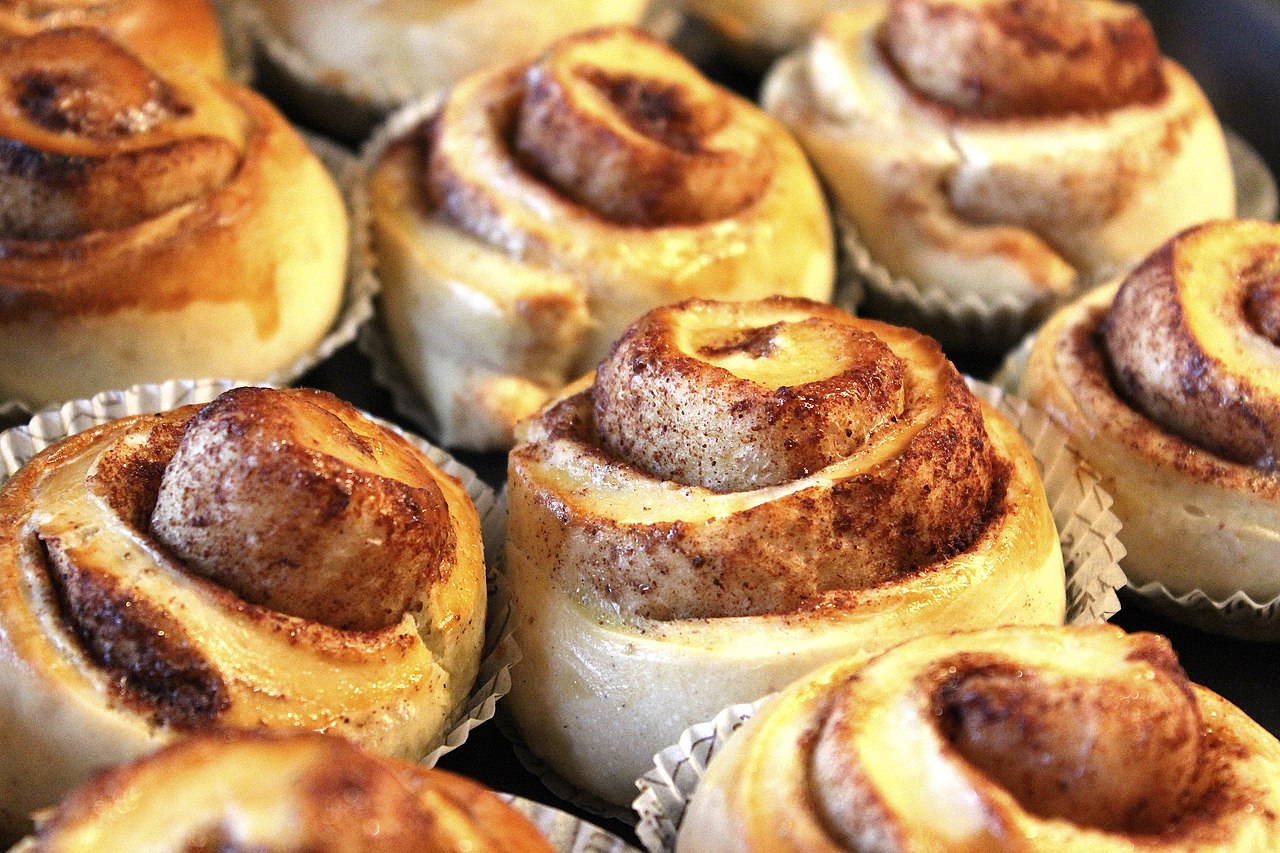
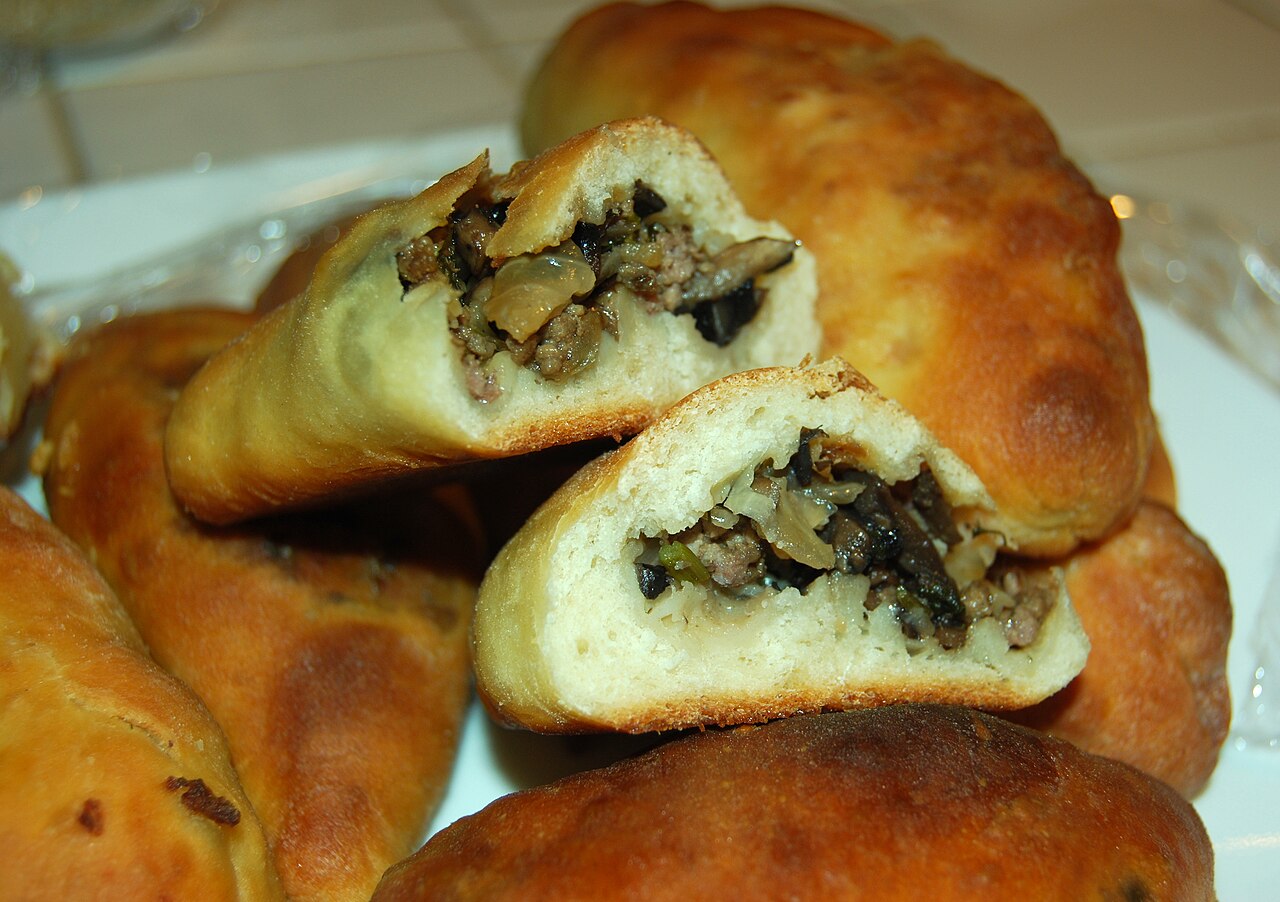
10 Images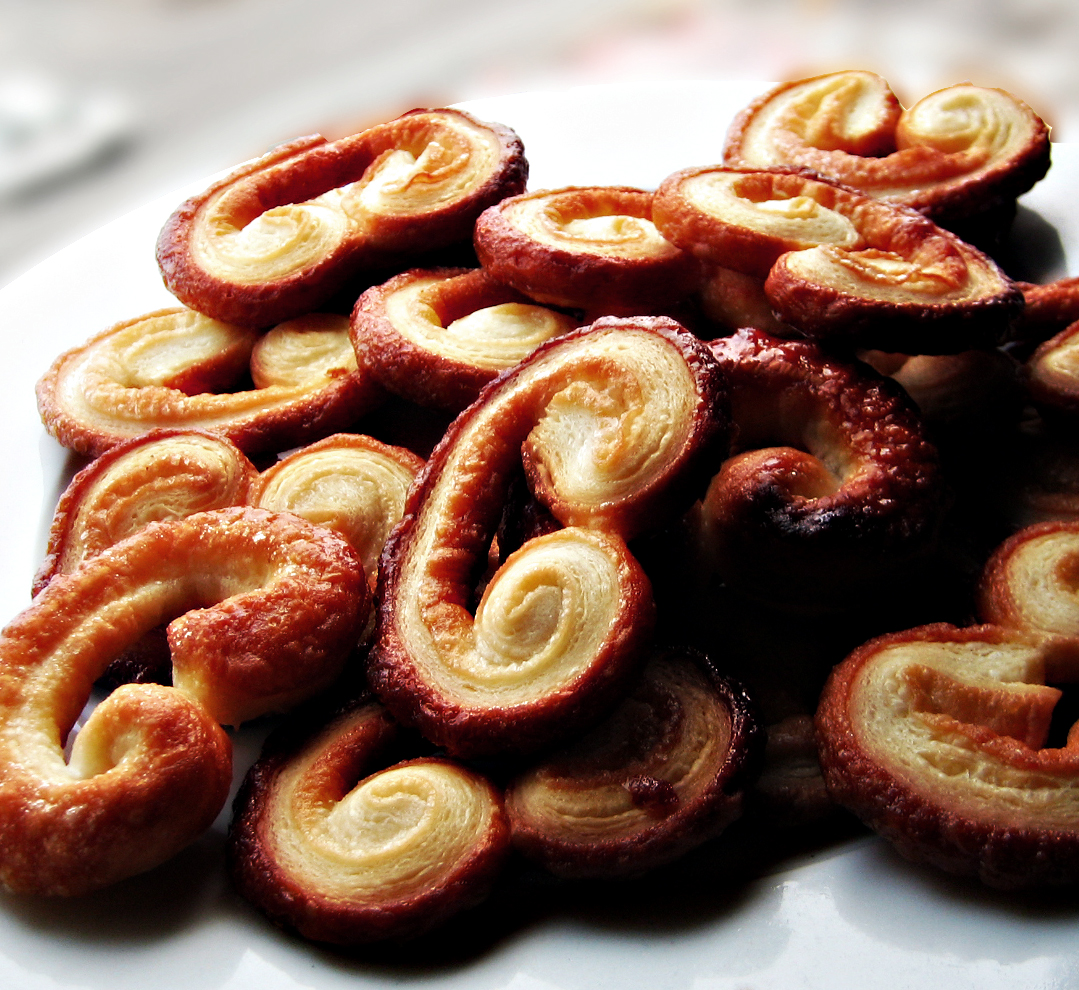




Ingredients and common categories
Basic ingredients include flour, sugar, milk and fats such as butter or shortening. Leavening agents like baking powder and additions such as eggs change texture and richness. These combinations produce several broad types: shortcrust (dense and crumbly), puff or laminated (many thin flaky layers), choux (light, hollow shells) and filo/filo-like sheets (paper-thin, crisp layers).
Preparation and techniques
Preparation focuses on controlling gluten development and the interaction between fat and water. Cold fats and minimal handling keep doughs tender; repeated rolling and folding can create laminated pastries with distinct layers. Some recipes require blind-baking the shell before adding wet fillings, while others depend on steam or chemical leaveners to inflate the structure. Small adjustments—temperature, hydration, resting time—have significant effects on the final result.
Uses and examples
Pastries appear across cuisines as both standalone items and as carriers for fillings. Common examples include pies, tarts, quiches, and handheld pasties; sweet varieties can resemble small cakes. In Mediterranean and Balkan cooking, delicate layered pastry is central to many dishes: traditional Greek food such as Spanakopita uses thin sheets to encase savory fillings.
History and notable facts
Pastry has deep roots: ancient cooks enclosed meats and fillings in dough for portability and to concentrate cooking juices; over centuries techniques evolved into specialized pastry arts, especially in European culinary traditions. Distinctions between puff, shortcrust, choux and filo are useful for cooks and bakers because each class responds differently to handling, heat and fillings. The word "pastry" thus embraces both a material and a broad category of baked goods enjoyed worldwide.
- Baked products made from pastry range from everyday pies to elaborate plated desserts.
- Understanding fat, water and gluten interactions is key to predictable results.
- Regional variations use local fats, grains and techniques to create distinctive textures.
Related articles
Author
AlegsaOnline.com Pastry: Dough and Baked Goods — Types, Ingredients, and Uses Leandro Alegsa
URL: https://en.alegsaonline.com/art/74966