
Egg (food): composition, nutrition, uses and safety
A food article on eggs: their structure, nutritional value, culinary uses, safety and storage, and distinctions such as bird eggs versus fish roe and caviar.
Overview
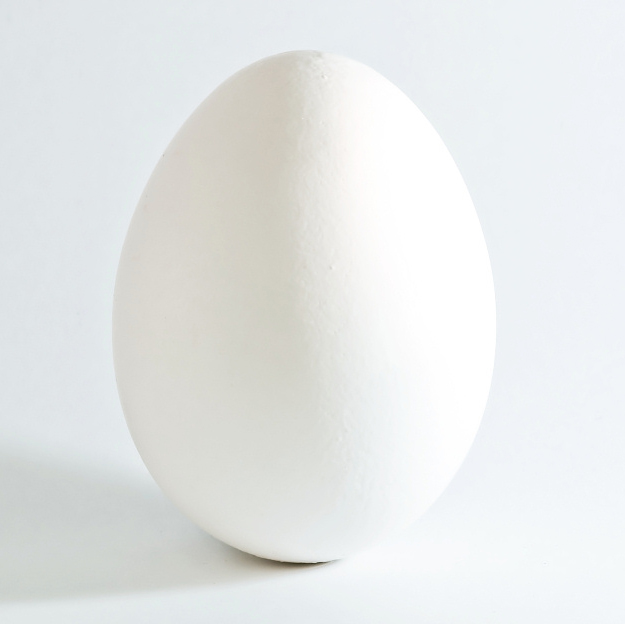
Eggs are a common food worldwide, most often produced by birds (especially the domestic chicken). A typical edible egg consists of a hard outer eggshell, internal membranes, the clear albumen or egg white, and the yellow yolk. All edible parts are consumed in many cuisines, though shells are usually discarded or used for calcium supplements and crafts.
Image gallery
10 Images




Structure and parts
The main components of a bird egg include the rigid eggshell, thin protective membranes, the thick and thin layers of albumen, and the yolk, which contains fats and fat‑soluble vitamins. Supporting structures such as the chalazae keep the yolk centered. An air cell forms between shell and membrane as an egg ages.
Nutrition and culinary uses
Eggs are valued as a source of high‑quality protein and other nutrients; the protein in eggs supplies all essential amino acids. Yolks provide fats, cholesterol, vitamins (A, D, E, B12) and minerals (iron, selenium). Eggs are versatile in cooking: they can be boiled, poached, fried, scrambled, and used as emulsifiers (mayonnaise), leavening agents, glazes and clarifying agents in stocks and wines.
Preparation, tests and common recipes
- Simple preparations: soft/hard boiled, fried, omelette, scrambled.
- Baking: eggs add structure, moisture and color to cakes and breads.
- Special techniques: tempering yolks for custards, whisking whites for meringues, and using pasteurized eggs for raw or lightly cooked dishes.
Food safety, storage and allergies
Proper handling reduces risks such as Salmonella contamination: refrigerate perishable eggs where recommended, discard cracked shells, and cook thoroughly when necessary. Many countries pasteurize eggs for certain uses. Egg allergy is common in children; symptoms range from mild to severe. Freshness tests (float test, sniff test) and pack dates can guide storage decisions.
Types, history and notable distinctions
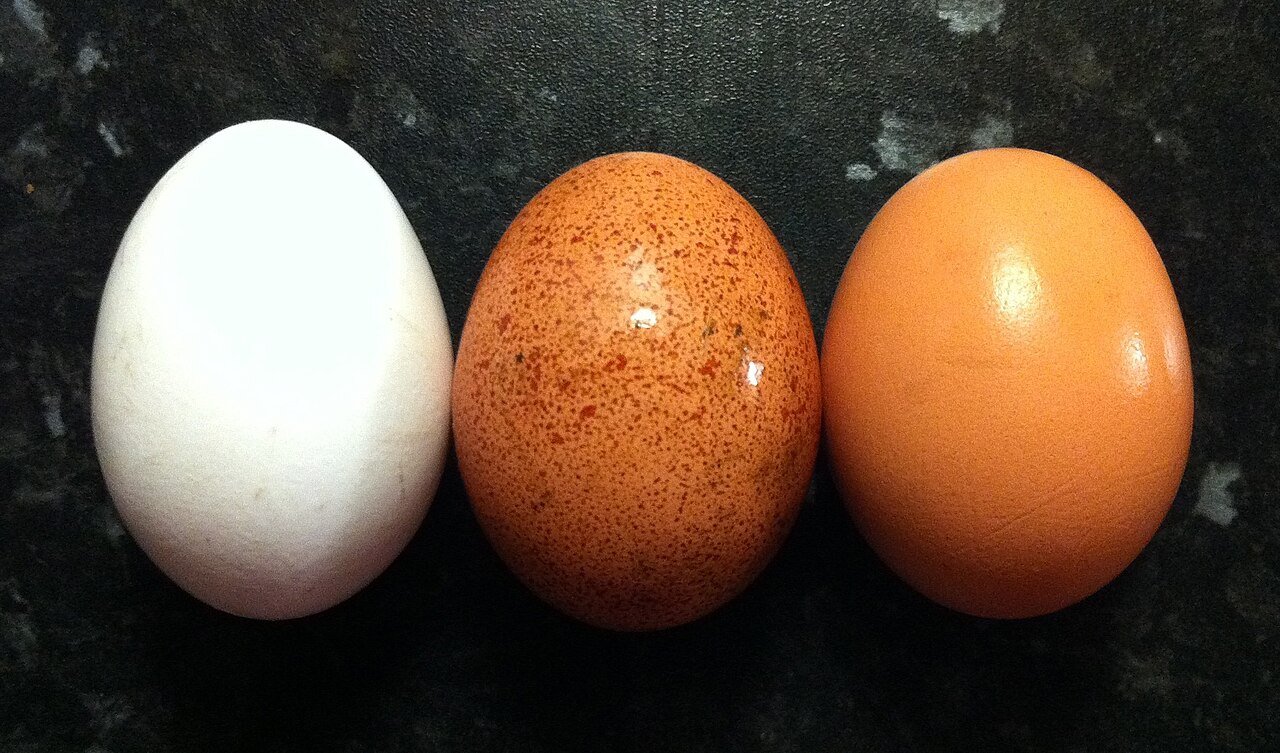
People consume eggs from many species (chicken, duck, quail). Shell color varies by breed and does not significantly affect nutrition. Aside from shelled eggs, fish eggs—called roe—are eaten globally; processed, salted varieties from sturgeon are known as caviar. Unlike bird eggs, fish eggs lack a hard shell and hatch underwater; they are small, membrane‑encapsulated and used as garnishes or condiments in cuisines based on fish.
Eggs have played roles in agriculture, culture and cuisine for millennia, valued for their nutrition, functionality in recipes, and symbolic meanings in many traditions.
Questions and answers
Q: What are the different parts of an egg?
A: The different parts of an egg are the egg white, the egg yolk, and various thin membranes.
Q: Is the eggshell edible?
A: Yes, every part of the egg is edible, although the eggshell is usually thrown away.
Q: Are eggs a good source of protein?
A: Yes, eggs are a good source of protein.
Q: What are roe and caviar?
A: Roe and caviar are edible eggs produced by fish.
Q: Do roe and caviar have an eggshell?
A: No, roe and caviar do not have an eggshell, since they hatch underwater.
Q: Are roe and caviar larger or smaller than regular eggs?
A: Roe and caviar are much smaller than regular eggs.
Q: Do roe and caviar have an egg white or yolk?
A: No, roe and caviar do not have a white or yolk.
Related articles
Author
AlegsaOnline.com Egg (food): composition, nutrition, uses and safety Leandro Alegsa
URL: https://en.alegsaonline.com/art/30363
Sources
- nutritiondata.com : "Nutrition facts: dairy and egg products"
- jn.nutrition.org : abstract
- ces.purdue.edu : Information on chicken breeds