
Punch (drink): origins, ingredients, varieties and cultural role
Punch is a communal fruit-based beverage, served hot or cold, alcoholic or non-alcoholic. Originating in South Asia, it spread to Europe in the 17th century and later developed many regional variants.
Overview
Punch is a broad category of mixed drinks typically based on fruit or fruit juice, often combined with sugar, water, spices and sometimes distilled spirits. Traditionally prepared in a large container and ladled into individual cups, punch can be served chilled, over ice, or warm. Both alcoholic and non‑alcoholic forms are common: some modern recipes are designed for family events and children, while other recipes are intended as festive cocktails for adults. For information on fruit components see fruit.
Image gallery
10 Images




Typical ingredients and characteristics
Classic punch recipes balance sweetness, acidity and dilution. Common components include citrus (lemon or lime), sweetener (sugar or syrup), a bulk liquid (water, tea, or fruit juice) and often a spirit such as rum, brandy or whisky. Spices like cinnamon, cloves or nutmeg and additions such as tea, wine or carbonated beverages appear in many variations. Some features that distinguish punches from single‑serving cocktails are the communal bowl, scalable proportions and the use of simple, repeatable base ratios.
History and name
The drink is widely believed to have originated in South Asia and entered European awareness during early trading and colonial contacts in the 17th century. The English term is often traced to a South Asian word meaning "five," reflecting an early formulation of five key ingredients: alcohol, sugar, citrus, water and a spice or tea. From the United Kingdom the practice and recipes spread to other parts of Europe and to the Americas, where punches adapted to local tastes and available spirits. Accounts of its arrival and adaptation note both social and nautical routes of transmission; see accounts of European adoption at United Kingdom sources.
Varieties and examples
- Fruit punch: a non‑alcoholic mix of juices and sweeteners served cold at gatherings and children's parties; often labeled simply as "punch."
- Rum punch: a Caribbean family of drinks highlighting local rums, citrus and sugar; popular at festivals and bars.
- Hot punches: warm, spiced versions served in cooler months—historically common in European taverns and private houses.
- Commercial variants: bottled or powdered mixes and branded products inspired by traditional recipes (some are non‑alcoholic soft drinks).
For more on alcoholic choices see alcohol guidance and for social contexts see parties.
Serving, cultural role and distinctions
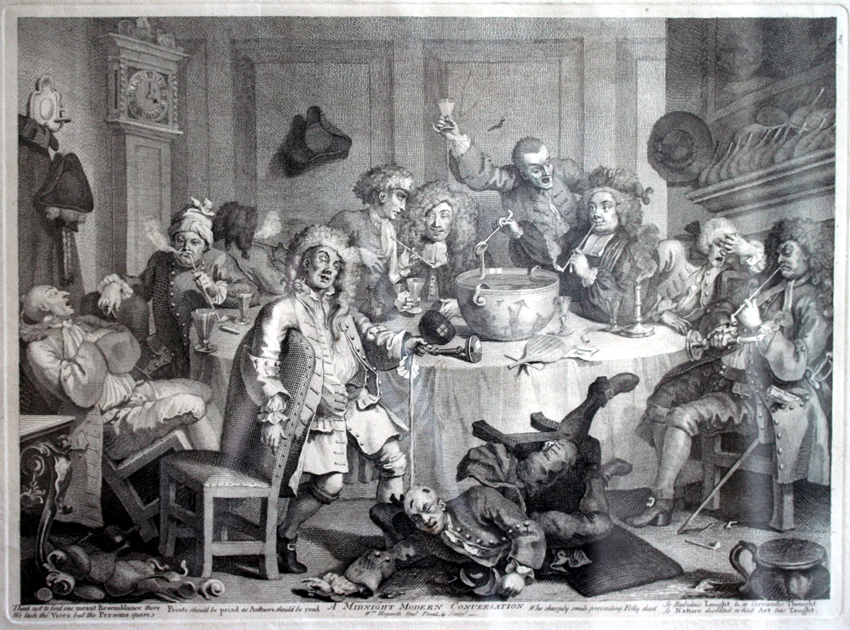
Punch is synonymous with communal hospitality: it is frequently presented in a punch bowl, accompanied by a ladle and a stack of cups so guests serve themselves. The punch bowl itself became a focal object in social rituals, sometimes crafted as an ornate silver centerpiece. Modern distinctions separate "fruit punch" as a non‑alcoholic beverage from spirit‑based punches; regional names (for example, "Planter's Punch" or various rum punches) usually reflect local ingredients and traditions. For historical origin context see references to India and sources on early transmission to Europe at fruit and United Kingdom records.
Whether served at a casual family gathering or a formal reception, punch remains a versatile format: recipes are easily scaled, varied by season and adapted for all ages, preserving its longtime role as a communal and celebratory beverage.
Further reading and resources: basic recipes, historical notes and cultural variations are available through culinary archives and beverage histories (parties, alcohol).
Related articles
Author
AlegsaOnline.com Punch (drink): origins, ingredients, varieties and cultural role Leandro Alegsa
URL: https://en.alegsaonline.com/art/80053
Sources
- dictionary.reference.com : Punch