
Chocolate: origins, composition, types, and culinary uses
Chocolate is a food product made from cacao beans. This article summarizes its composition, kinds (dark, milk, white), processing, history from Mesoamerica to Europe, and principal culinary uses.
Chocolate is a food product derived from the fermented, roasted and ground seeds of the cacao tree. It combines cocoa solids and cocoa butter and, in many commercial forms, added sweeteners and dairy. Chocolate appears as bars, confections, coatings or beverages and is prized for its range of flavors, textures and melting behavior (it softens near human body temperature; typical melting is around 32 °C).
Image gallery
10 Images




Composition and common types
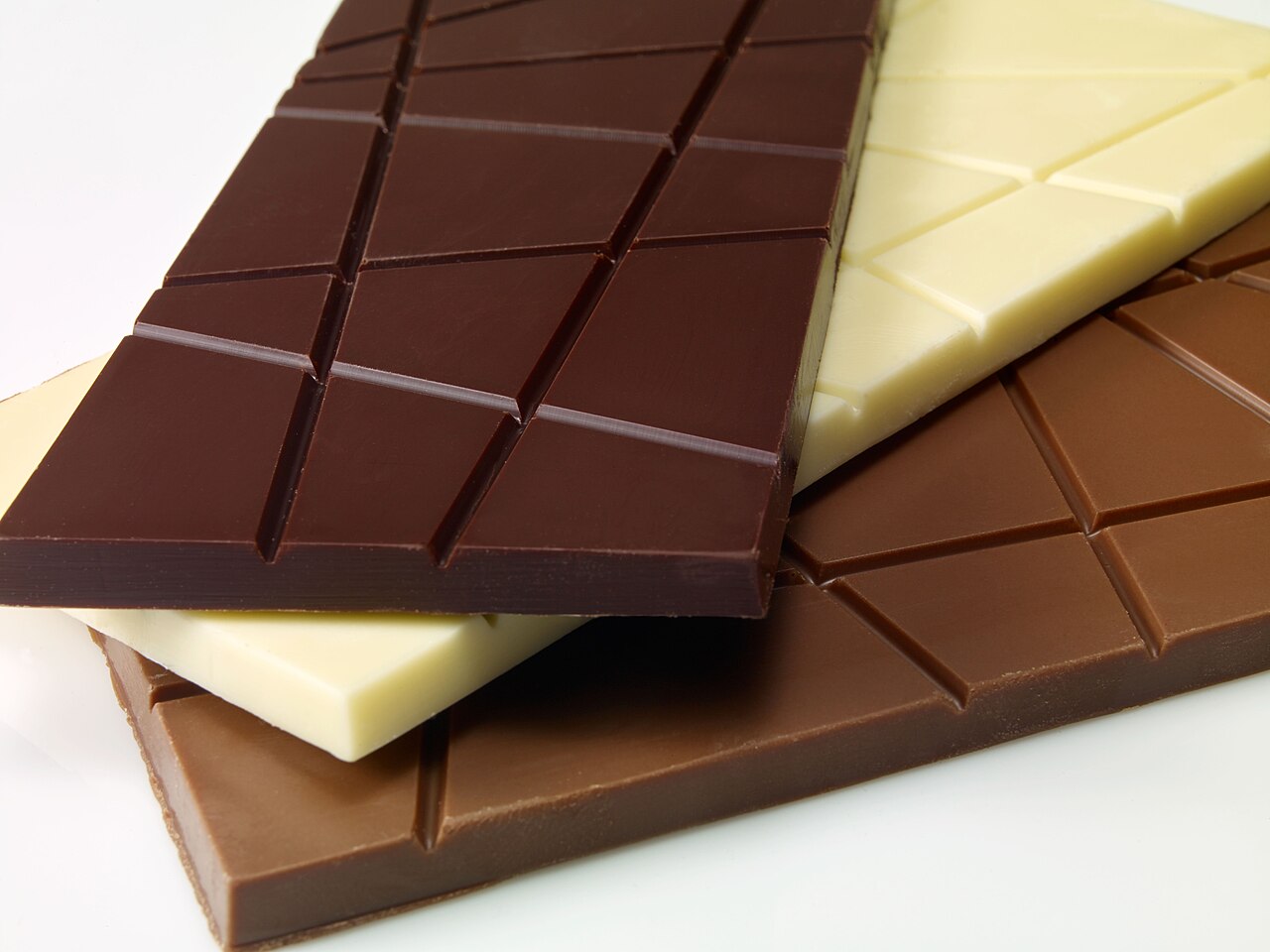
At its simplest, chocolate consists of two primary components: cocoa solids (the powder left after extracting fat) and cocoa butter (the natural fat). Commercial varieties add sugar and often milk. Major types include:
- Dark chocolate: higher proportion of cocoa solids, less sugar, pronounced bitter and complex flavors.
- Milk chocolate: contains milk solids or powder and more sugar, producing a milder, creamier taste.
- White chocolate: made from cocoa butter, sugar and milk but contains no cocoa solids (so it lacks the typical chocolate color and much of the characteristic cocoa flavor).
- Specialty forms: couverture (high cocoa butter for tempering), ruby, flavored and compound chocolates (using vegetable fats).
Processing and physical characteristics
Cacao beans are fermented, dried, roasted and ground into a paste (cocoa mass). Conching and refining smooth the texture; tempering controls crystallization of cocoa butter to produce a glossy finish and a sharp snap. Because cocoa butter has several crystal forms, careful temperature control is essential to avoid bloom (a pale surface film caused by fat or sugar migrating).
History and cultural role
Cacao was first cultivated in pre-Columbian Mesoamerica by cultures such as the Olmec, Maya and Aztec, who used it in bitter spiced drinks and ceremonial contexts. European contact in the 16th century brought cacao to Europe, where sugar and milk altered its preparation and led to the solid confections that became globally popular.
Uses and culinary examples
Chocolate is central to many desserts and preparations: baked and plated desserts, puddings, truffles and candies, sundaes and ice cream. It appears in solid forms such as a candy bar and as beverages such as hot chocolate. Professional pastry kitchens and home cooks use different chocolate grades for melting, enrobing, molding and baking.
Notable distinctions and practical notes
Chocolate quality depends on bean variety, origin, fermentation and processing. Terms such as "cacao" and "cocoa" are used differently in trade and culinary contexts. Consumers may choose dark chocolate for higher cocoa content and less sugar, or milk and white varieties for sweetness and creaminess. Storage in a cool, dry place preserves texture and flavor; avoid odors and humidity that can affect the product.
Questions and answers
Q: What is chocolate made from?
A: Chocolate is made from cacao beans.
Q: What are some desserts that contain chocolate?
A: Desserts that contain chocolate include pudding, cakes, candy, ice cream, and Easter eggs.
Q: How can chocolate be consumed?
A: Chocolate can be consumed in a solid form like a candy bar or in a liquid form like hot chocolate.
Q: What ingredients are usually added to commercial chocolate?
A: Commercial chocolate usually has sugar and sometimes milk added.
Q: At what temperature does dark chocolate melt?
A: Dark chocolate has a melting point of about 32°C (90°F).
Q: How did people originally consume chocolate?
A: People originally used to make drinking chocolate with it.
Q: When was the first known use of cocoa beans for making food products? A: The first known use of cocoa beans for making food products dates back to the time of the Olmec, Mayan, and Aztecs.
Tags
Related articles
Author
AlegsaOnline.com Chocolate: origins, composition, types, and culinary uses Leandro Alegsa
URL: https://en.alegsaonline.com/art/19923
Sources
- commons.wikimedia.org : Chocolate
- en.wikibooks.org : Cookbook
- en.wikibooks.org : Chocolate
- vetmedicine.about.com : "Chocolate Toxicity"
- indiatoday.intoday.in : "2010 calendar: A year of healthy living"
- chocolatemonthclub.com : "How to Make Chocolate - Chocolate Making Process | Chocolate of the Month Club"
- library.thinkquest.org : "History of Chocolate"