
Pumpkin
Pumpkin, a cultivar group of winter squash (genus Cucurbita), is grown for food, seeds, and cultural uses such as carving. This article covers its biology, history, culinary uses, varieties, and traditional uses.
Description and classification
A pumpkin is a large edible fruit in the squash family, commonly grouped with winter squashes. Botanically it is a type of pepo produced by several species of the genus Cucurbita. Pumpkins typically have a firm rind, dense orange flesh and numerous flat seeds, though cultivars occur in shades of orange, white, red, blue and green. For a brief botanical overview see botanical notes on pumpkins.
Image gallery
10 Images




Physical characteristics
Pumpkins grow on trailing or bushy vines, with broad leaves and large yellow flowers that are pollinated by insects. Fruit shape ranges from nearly spherical to elongated. The inner cavity contains stringy pulp and seeds (often called pepitas when hulled). The tough outer skin helps pumpkins store well through autumn and winter when cured properly. Common color variations and ornamental types are discussed in more depth at color and cultivar guides.
History and cultivation
Pumpkins were first domesticated in the Americas and have been cultivated for thousands of years by Indigenous peoples. European explorers carried them back to other continents where they adapted to new climates. Today pumpkins are grown worldwide in temperate and subtropical regions; planting, soil needs and harvest timing are summarized in many gardening resources such as cultivation guides.
Uses: culinary and cultural
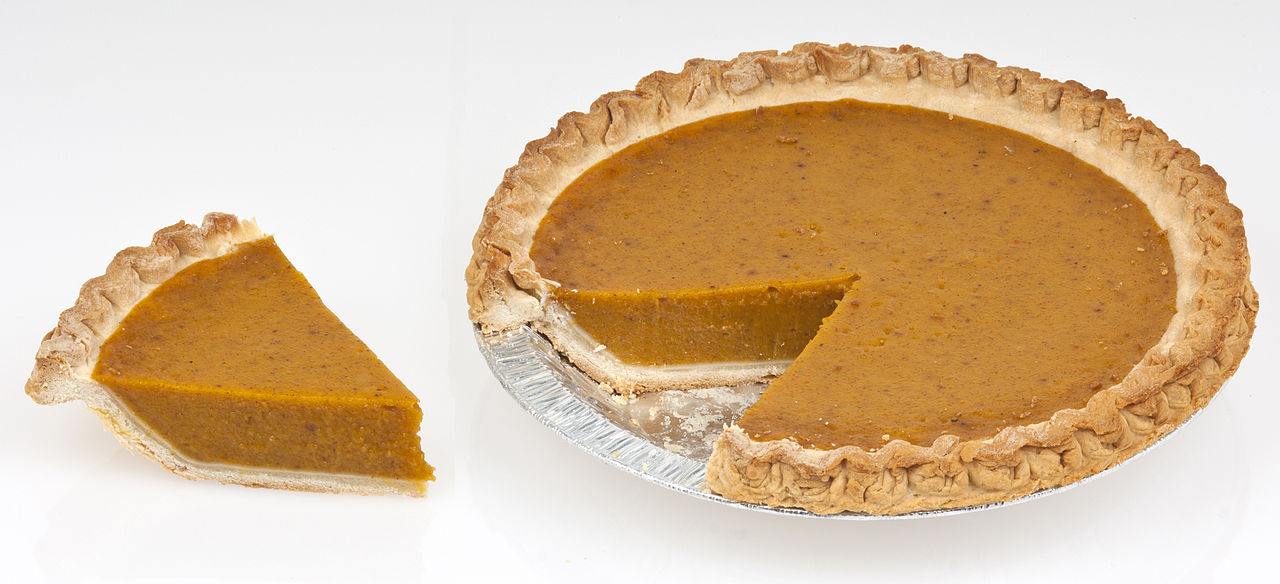
Culinary uses include purée for pies, soups and baked goods, roasted flesh and seeds, and canned pumpkin products. Seeds can be eaten raw, roasted, or pressed for oil. Beyond food, pumpkins are central to autumn festivals, Thanksgiving dishes in North America, and carved jack-o'-lanterns at Halloween; see cultural notes at culinary and cultural uses.
Varieties, storage and notable facts
- Common variety groups: pie types, jack-o'-lantern types, large prize varieties, and specialty heirlooms.
- Storage: cured pumpkins keep several months in cool, dry conditions.
- Distinction: "pumpkin" is a culinary and common term; botanists classify individual plants by species and cultivar.
Traditional and folk uses include remedies reported by some Indigenous cultures for digestive or urinary ailments; these uses are historical and not a substitute for modern medical advice. For safety, avoid eating any fruit showing rot, and consult reliable sources on preparation and potential allergies. For more on cultural and historical context see historical references.
Related articles
Author
AlegsaOnline.com Pumpkin Leandro Alegsa
URL: https://en.alegsaonline.com/art/80045