
Ozone depletion: causes, consequences, and recovery
Ozone depletion refers to the thinning and seasonal loss of stratospheric ozone caused mainly by human-made halogen compounds; it affects ultraviolet radiation reaching Earth and is being addressed by international agreements.
Overview
Ozone (O3) is a form of oxygen concentrated in a layer of the stratosphere commonly called the ozone layer. There it absorbs a large fraction of the Sun’s biologically harmful ultraviolet B (UVB) radiation, protecting ecosystems and human health. The phrase "ozone depletion" describes several related phenomena: a long-term decline in total stratospheric ozone, the recurring seasonal "ozone hole" over polar regions, and specific short-term decreases in ozone within the lower atmosphere at high latitudes.
Image gallery
10 Images




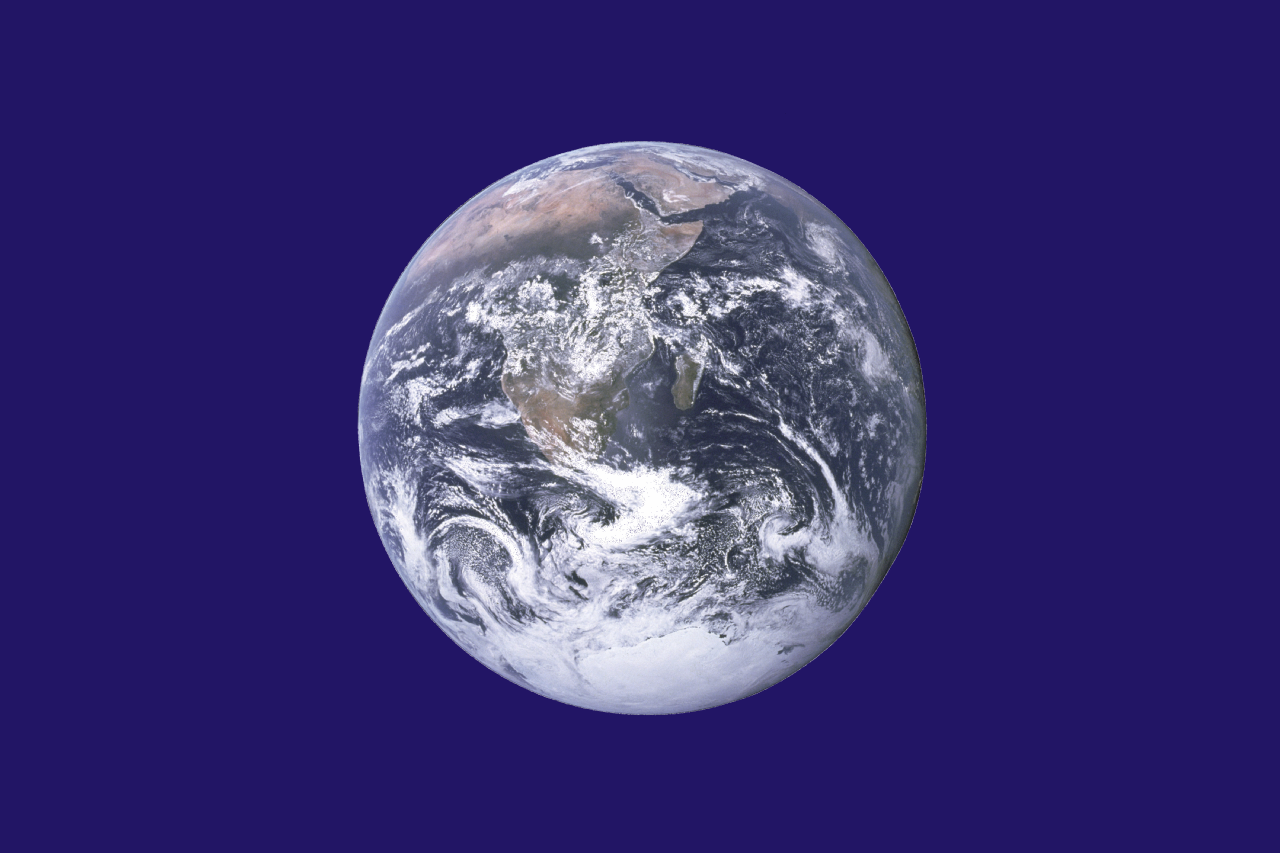


How ozone is lost
Ozone loss in the stratosphere is driven primarily by catalytic chemical cycles in which reactive atoms or radicals destroy many ozone molecules for each reactive particle. The most important agents are halogen radicals — chiefly chlorine and bromine — released when long-lived, man-made halocarbon compounds such as chlorofluorocarbons (CFCs) and halons are broken apart by sunlight high in the atmosphere. These source gases are stable at the surface, allowing them to be transported into the stratosphere before they are photodissociated and transformed into ozone-destroying species.
Polar ozone depletion follows a distinctive seasonal pattern. In winter the polar stratosphere cools and polar stratospheric clouds (PSCs) form; heterogeneous reactions on PSC surfaces convert reservoir halogen compounds into reactive forms. When sunlight returns in spring, rapid catalytic cycles consume large amounts of ozone, producing the pronounced springtime ozone holes observed over Antarctica and, to a lesser extent, the Arctic. At mid-latitudes, ozone thinning tends to be more gradual and driven by the accumulation of reactive halogens and natural variability in atmospheric circulation.
History and international response
Concerns about human influence on stratospheric ozone emerged in the 1970s and were strengthened by observations of the Antarctic ozone hole in the early 1980s. Research identified CFCs and related halocarbons as the primary anthropogenic cause. The global community responded with the Montreal Protocol (1987), a widely adopted treaty that phased out production of key ozone-depleting substances (ODS). Subsequent amendments accelerated reductions and established timetables for substitutes. As a result, atmospheric concentrations of many regulated ODS have been declining, and projected recovery of stratospheric ozone spans several decades.
Impacts and significance
Because stratospheric ozone filters UVB, reductions in ozone allow more of this radiation to reach the surface. Increased UVB exposure raises the risk of skin cancers and cataracts in humans, harms some crops and terrestrial plants, and reduces survival or productivity of phytoplankton near the ocean surface, with potential consequences for marine food webs. Additionally, ozone changes can interact with climate change: stratospheric temperature and circulation changes influence ozone chemistry, and some ODS are also greenhouse gases.
Distinctions and monitoring
It is important to distinguish stratospheric ozone depletion from ground-level (tropospheric) ozone, which is a pollutant formed by reactions of nitrogen oxides and volatile organic compounds and has different health and environmental effects. There are also polar tropospheric ozone depletion events in spring linked to halogen chemistry at the surface, particularly in coastal and sea-ice regions. Scientists monitor ozone with ground stations, balloon and aircraft probes, and satellites to track trends, validate chemical models, and assess the effectiveness of policy measures.
Key facts and resources
- Introduction to ozone
- Ozone as a gas
- The ozone layer
- Stratosphere overview
- Earth and atmosphere
- Biological effects of UV
- Observed ozone trends
- Tropospheric ozone events
- Catalytic ozone destruction
- Halogen chemistry
- Photodissociation processes
- CFCs and refrigerants
- Freons and related compounds
- Ultraviolet radiation bands
- Montreal Protocol
- Other regulated ODS
- Health effects: skin cancer
- Health effects: eye damage
- Ecosystem impacts
- Ozone and the oceans
- NASA monitoring
- World Meteorological Organization
- Arctic ozone issues
Related articles
Author
AlegsaOnline.com Ozone depletion: causes, consequences, and recovery Leandro Alegsa
URL: https://en.alegsaonline.com/art/73861
Sources
- atm.ch.cam.ac.uk : "Part III. The Science of the Ozone Hole"
- sciam.com : "Chlorofluorocarbons (CFCs) are heavier than air, so how do scientists suppose that these chemicals reach the altitude of the ozone layer to adversely affect it?"
- ncbi.nlm.nih.gov : "Ozone depletion will bring big rise in number of cataracts"
- doi.org : 10.1136/bmj.331.7528.1292-d
- pubmed.ncbi.nlm.nih.gov : 0
- earthobservatory.nasa.gov : online Scientists find Antarctic Ozone Hole to Recover Later Than Expected
- wmo.int : WMO/UNEP (2006): Scientific Assessment of Ozone Depletion: 2006