
World Meteorological Organization
Intergovernmental body coordinating global meteorology, climate, hydrology and related geophysical sciences; supports weather services, data exchange, standards and disaster risk reduction.
The World Meteorological Organization (WMO) is a specialized intergovernmental organization dedicated to the international coordination of atmospheric science, climate monitoring, hydrology and related geophysical fields. Its membership comprises 188 Member States and Territories and it acts as a forum for the exchange of observations, the definition of technical standards and the coordination of services that underpin weather forecasts, climate assessments and water management. For official membership information see Member States and Territories.
Image gallery
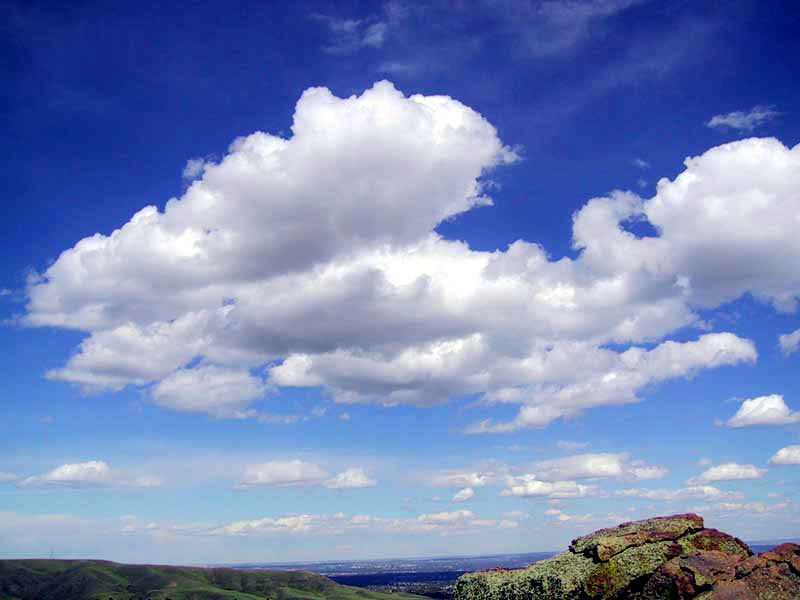
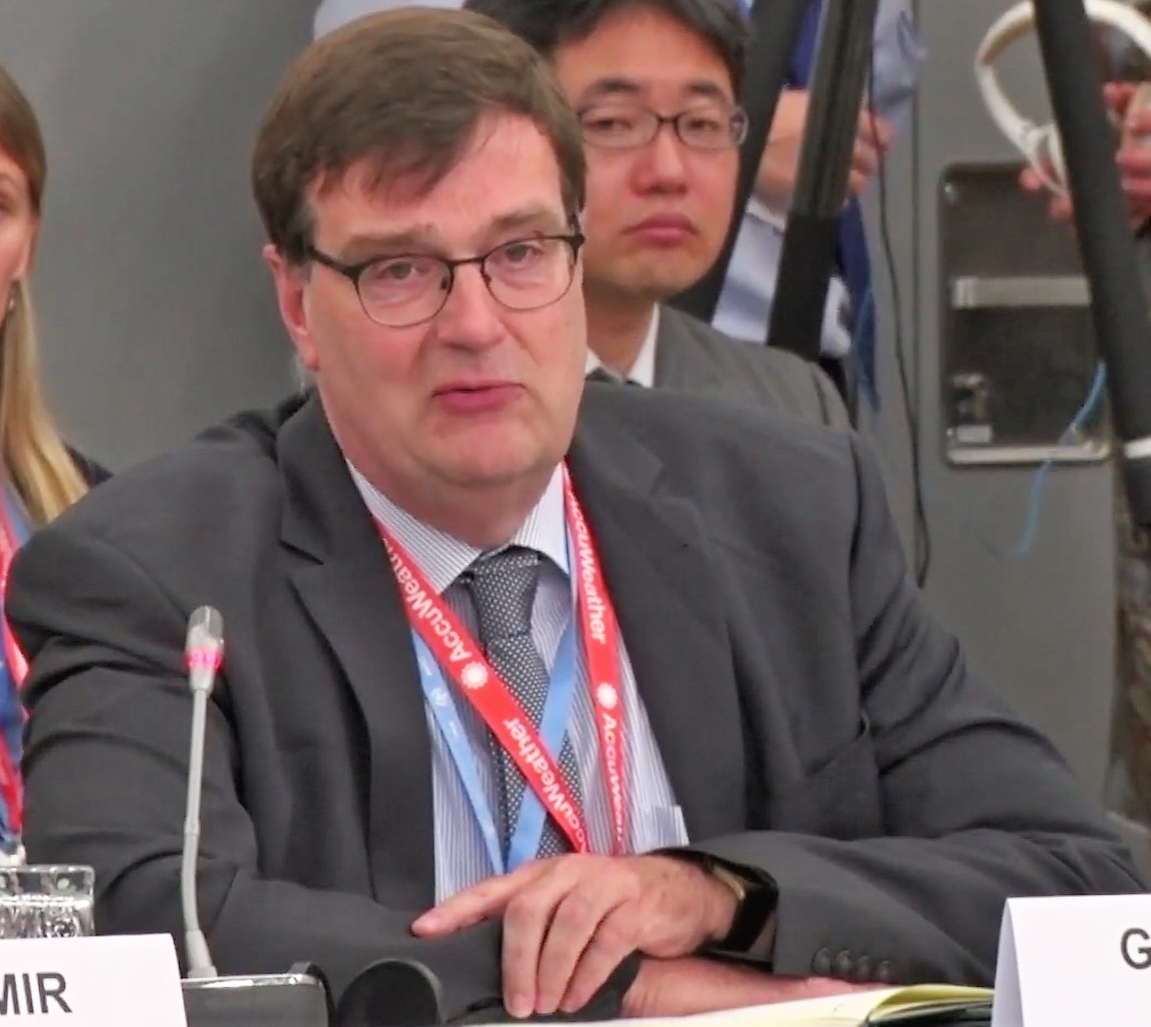
6 Images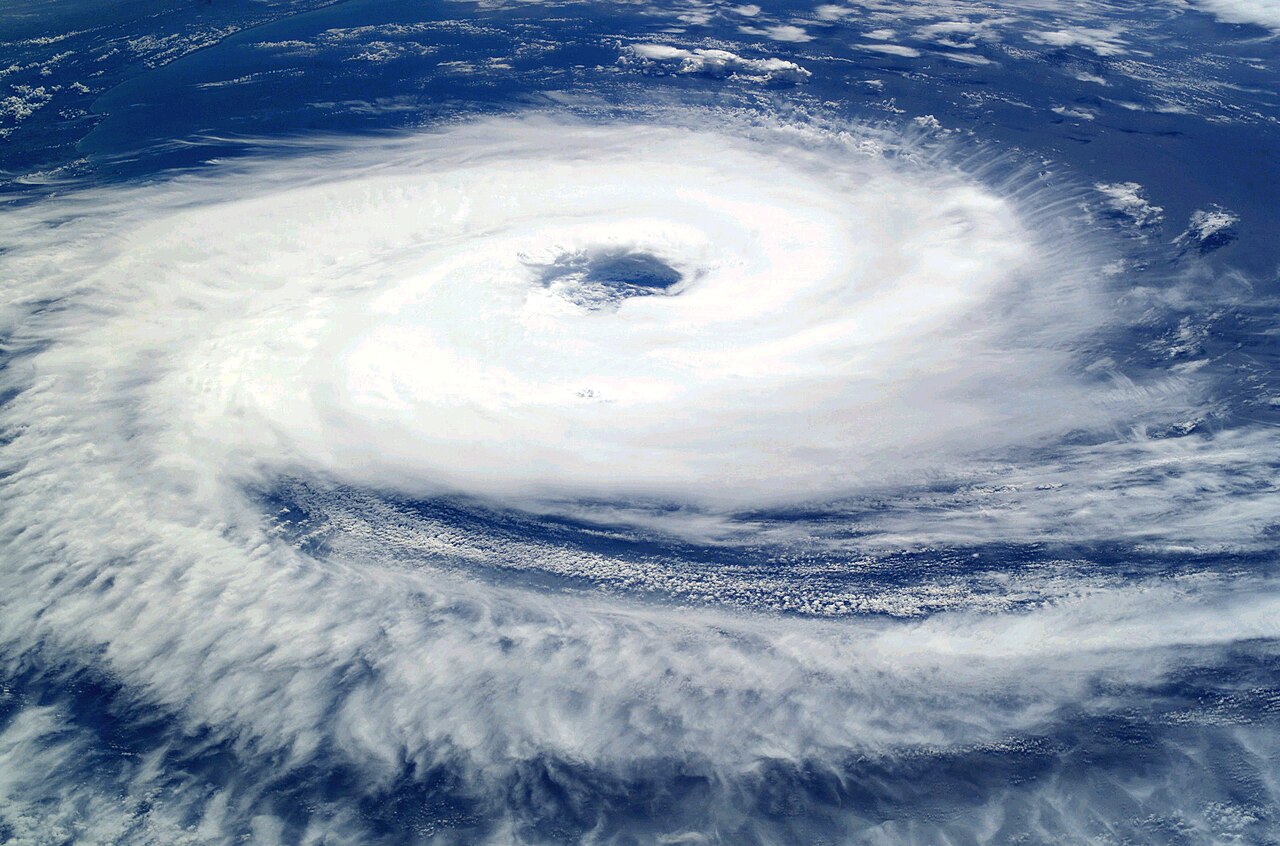


Role and main functions
WMO's work covers a spectrum of operational and scientific activities. It promotes the free and open exchange of meteorological and hydrological data across borders, sets global standards for observations and forecasting, and supports capacity building in developing countries. Key functional areas include:
- Weather and forecasting networks: real‑time sharing of observations and numerical model outputs that feed national weather services (weather, meteorology).
- Climate monitoring and services: global climate datasets, seasonal outlooks and guidance for adaptation (climate).
- Hydrology and water resources: operational hydrology to support flood forecasting, drought planning and water management (operational hydrology).
- Geophysical sciences: cooperation on related domains such as oceanography, atmospheric chemistry and solid‑Earth measurements (geophysical sciences).
Origins and historical development
The organization traces its roots to the International Meteorological Organization, founded in 1873 to formalize international contacts between national services and share observations; historical accounts are available via early records. In 1950 the United Nations established the WMO as a specialized agency to strengthen coordination of weather and climate activities worldwide; see the founding reference at WMO founding (1950) and the United Nations relationship at UN collaboration.
Governance and partnerships
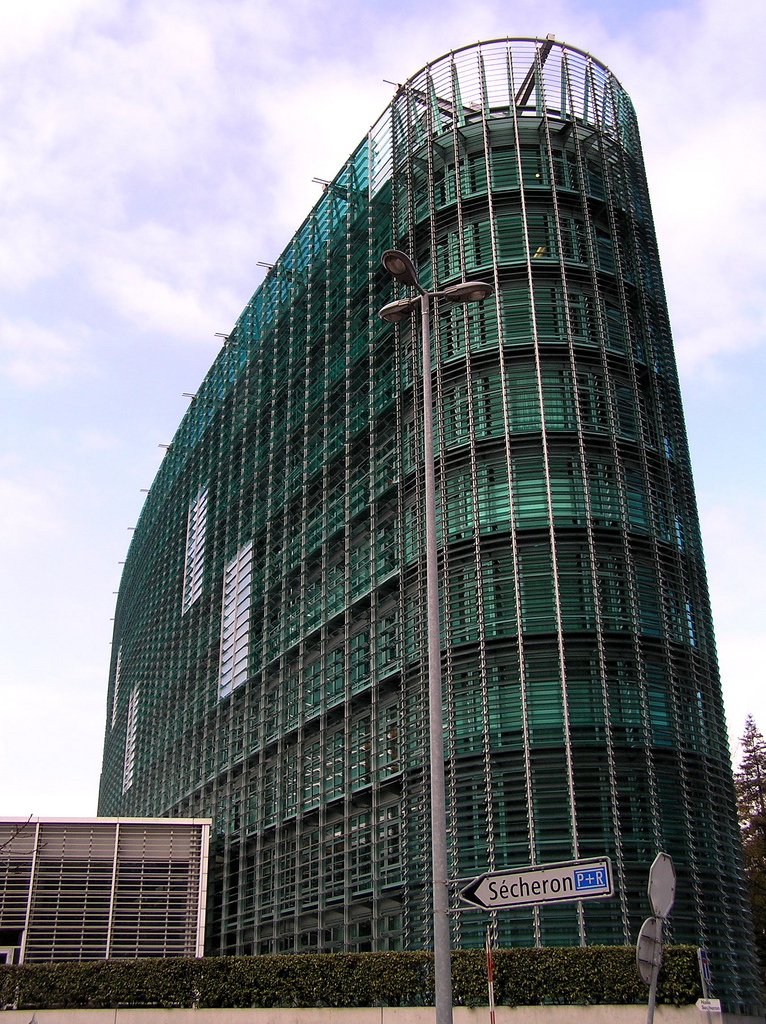
WMO is governed by the World Meteorological Congress and a governing body of regional associations and technical commissions. Its headquarters are in Geneva, Switzerland (Geneva). Over the years, leadership and appointments have been determined through congress elections; for example, a past leadership election is recorded in 2003 (elections), after which figures such as Alexander Bedritsky and Michel Jarraud served in senior roles.
Impact, programmes and examples
WMO's standards and systems support critical services that save lives and protect property: global observation networks enable timely storm warnings, climate products guide agriculture and water planning, and coordinated research advances understanding of phenomena such as El Niño and long‑term climate change. The organization also runs capacity‑building programmes and partnerships with regional meteorological centres and international agencies to strengthen resilience to weather‑related hazards.
Because meteorological and hydrological phenomena cross political boundaries, WMO's role as a neutral technical body is central to fostering cooperation, improving the quality of services worldwide and supporting evidence‑based policy on environment and disaster risk reduction.
Further information and official resources can be consulted via the organization's portals and thematic pages: membership, meteorology, climate, hydrology, and historical references founding or establishment.
Related articles
Author
AlegsaOnline.com World Meteorological Organization Leandro Alegsa
URL: https://en.alegsaonline.com/art/109095