
Peat swamp forest
Tropical and subtropical wetlands where waterlogged soils preserve plant material as peat; they support distinctive forest communities, store carbon, and face major threats from drainage, logging and fires.
Peat swamp forests are a type of wetland forest found mainly in tropical and subtropical regions. Persistently waterlogged conditions slow microbial decay, allowing layers of partly decomposed plant material to accumulate as acidic, organic peat. Unlike upland rainforests on better-drained soils, peat swamp forests are characterized by standing or near-surface water for much of the year and by tree communities adapted to low-oxygen, nutrient-poor soils. For more general context on wetland forests see wetland resources.
Image gallery
8 Images


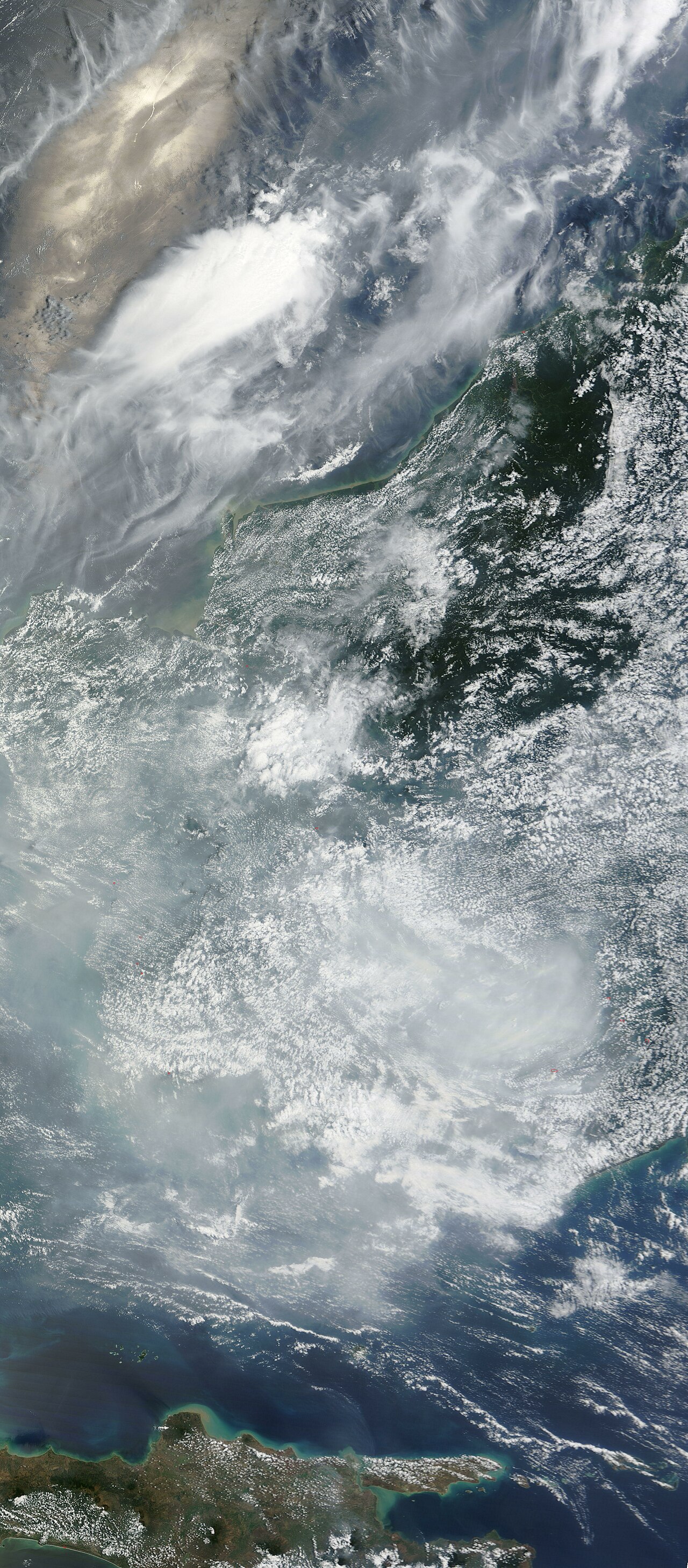


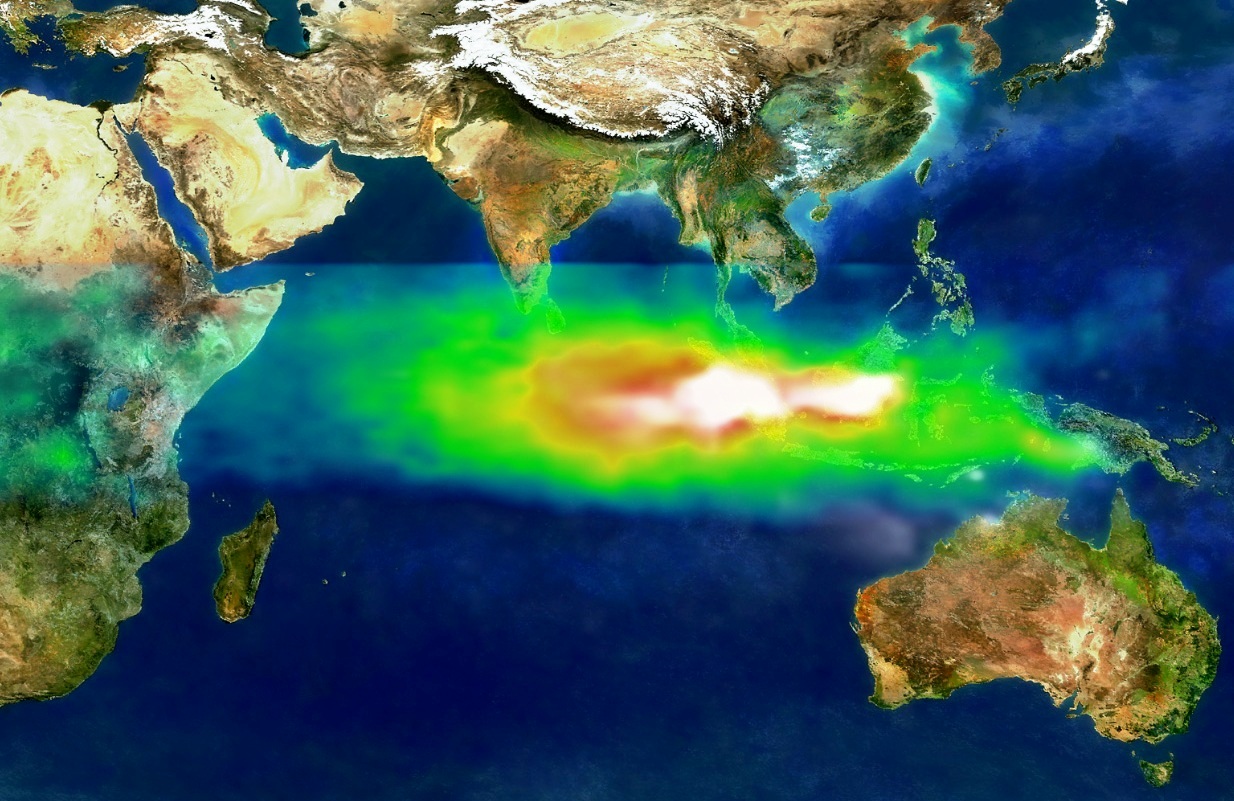
Formation and key characteristics
Peat forms where plant litter — leaves, roots and wood — does not fully decompose because of anoxic, saturated soils. Over centuries this produces a thick peat layer that may be several metres deep in long-undeveloped systems. Typical characteristics include:
- Waterlogging: near-surface water or a high water table most of the year.
- Acidity and low nutrients: peat soils are often acidic and low in readily available mineral nutrients.
- Forest-dominated vegetation: broadleaved trees and many flowering plants rather than the moss-dominated communities of temperate bogs.
- Carbon storage: peat accumulates carbon over long periods, making intact peatlands important carbon reservoirs.
The accumulated peat itself influences hydrology and ecology: it holds water, buffers seasonal changes in groundwater, and creates a unique substrate for plants and animals.
Flora and fauna
Peat swamp forests support trees adapted to waterlogged and often acidic conditions, including specialized root forms, buttresses and above-ground roots that aid stability and gas exchange. Understory plants and lianas tolerate low nutrients. Animal communities can include fish, amphibians and invertebrates tolerant of acidic water, as well as larger species that use forest canopy and peatland resources. Many peat swamp areas are also home to rare or range-restricted species that rely on these habitats.
Distribution and distinctions
Major regions with tropical peat swamp forests include parts of Southeast Asia, sections of the Amazon basin, and central African wetlands. Near coastal margins, peat swamps may grade into brackish or salt-tolerant mangrove forests; see mangrove ecosystems and the coastal transition at coastal zones. Peat swamps differ substantially from temperate peat bogs: temperate bogs are often dominated by mosses such as Sphagnum and low shrubs rather than a closed tree canopy. For comparison with northern peatlands, see resources about upland bogs such as those in Ireland.
Uses, importance and threats
Peat swamp forests have important ecological and socio-economic roles: they store carbon, support biodiversity, regulate water flows and sustain local livelihoods through fishing, harvesting of non-timber products and, in some areas, selective timber use. However, they are vulnerable to human impacts. Common threats include drainage for agriculture or plantation crops, logging, conversion to farmland, and peat fires that can burn deeply and emit large quantities of carbon. Once drained, peat oxidizes and releases greenhouse gases and becomes prone to subsidence.
Conservation and restoration
Conservation strategies focus on preventing drainage, maintaining hydrological integrity, protecting intact forest and restoring degraded peatlands by rewetting and reforestation. Successful management often combines protected-area designation, sustainable land-use planning and community involvement. Further practical guidance and studies can be found in specialist literature and online resources such as peatland research and conservation portals (wetland resources).
Because peat swamp forests are both biologically distinct and globally important for carbon storage, they are a high priority for conservation and careful management to reduce biodiversity loss and mitigate climate impacts.
Questions and answers
Q: What are peat swamp forests?
A: Peat swamp forests are forest wetlands in tropical and subtropical areas with poor drainage, resulting in waterlogged soil that prevents dead leaves and wood from decomposing fully, creating a thick layer of acidic peat.
Q: What kind of trees can be found in peat swamp forests?
A: Peat swamp forests are made up of broadleaved trees (not conifers) and many other types of flowering plants.
Q: What surrounds peat swamp forests?
A: Peat swamp forests are usually surrounded by lowland rain forests on better-drained soils, and there may be brackish or salt-water mangrove forests near the coast.
Q: How do peat swamp forests differ from north temperate peat bogs?
A: Peat swamp forests are quite different from north temperate peat bogs in climates such as in Ireland. Temperate peat bogs are not caused by forests, but mostly by mosses such as Sphagnum, grasses, sedges, and shrubs.
Q: What results from the waterlogged soil in peat swamp forests?
A: The waterlogged soil in peat swamp forests prevents dead leaves and wood from decomposing fully, creating a thick layer of acidic peat.
Q: What types of plants can be found in peat swamp forests?
A: Peat swamp forests are made up of trees which are broadleaved (not conifers), and many types of flowering plants.
Q: Where are peat swamp forests typically found?
A: Peat swamp forests are usually found in tropical and subtropical areas.
Related articles
Author
AlegsaOnline.com Peat swamp forest Leandro Alegsa
URL: https://en.alegsaonline.com/art/75369
Sources
- dx.doi.org : 10.1007/s10531-008-9510-5
- nature.com : nature.com/articles/nature01131?error=cookies_not_supported&code=d572eb12-916a-4016-8a26-…
- onlinelibrary.wiley.com : onlinelibrary.wiley.com/doi/10.1111/j.1365-2486.2006.01301.x/full
- wetlands.org : "Peatland Treasures"