
Halogens (Group 17 elements)
Halogens are the reactive Group 17 elements—fluorine, chlorine, bromine, iodine, astatine and tennessine—known for forming salts and halide compounds with many uses in industry, medicine and everyday life.
The halogens are a family of chemical elements located in the second-to-right column of the periodic table, commonly called Group 17. They include fluorine, chlorine, bromine, iodine, astatine and tennessine. The group name comes from Greek roots meaning "salt former" (halo- + -gen), reflecting the tendency of these elements to form salts with metals. For a general reference to the family and its placement see chemical elements and the periodic table.
In simple electronic terms, halogens have one electron fewer than a noble gas configuration. That makes them highly inclined to gain an electron in reactions, a property responsible for their strong reactivity. They commonly form anions called halides (for example chloride, fluoride and iodide) and a wide variety of covalent compounds. The group therefore has a strong chemical identity linked to valence electron behavior; see also discussion of the single missing valence electron that drives this chemistry.

Image gallery
10 Images


Physical and chemical characteristics
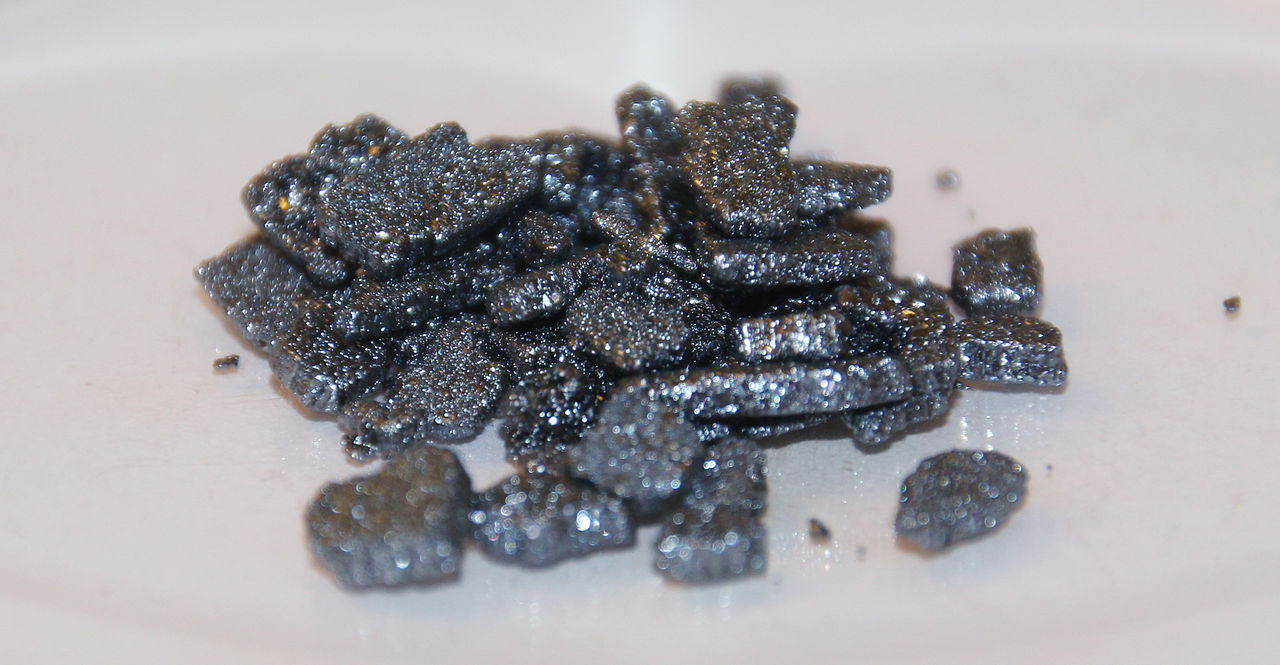
Halogens show a clear trend of properties down the group. At standard conditions, fluorine and chlorine are gases, bromine is a reddish liquid, and iodine is a dark crystalline solid. Astatine is radioactive and occurs only in trace amounts in nature; tennessine is a synthetic element produced in laboratories and its properties are still being investigated. Common chemical behaviors include:
- High electronegativity and oxidizing power (fluorine is the strongest oxidizer of all elements).
- Tendency to form ionic salts with metals (alkali and alkaline earth metals form stable halide salts).
- Formation of hydrogen halides (for example HCl) and numerous organic halides where a halogen replaces hydrogen in a carbon compound.
- Ability to form interhalogen compounds (molecules composed of two different halogens).

Uses, applications and importance
Halogens and their compounds are widely used across industry, medicine and daily life. Examples include fluorine in toothpastes and water fluoridation (in controlled forms), chlorine for water disinfection and bleaching, bromine in flame retardants and photographic chemicals, and iodine in nutritional supplements and antiseptics. Many pharmaceuticals, refrigerants and polymers contain halogen atoms because they alter reactivity, stability and physical properties. Halide salts such as sodium chloride are essential for life and commerce.

Because of their reactivity, halogens must be handled with care. Elemental forms can be corrosive, toxic or irritating. They react vigorously with many metals and organic materials and require appropriate containment and safety measures in the laboratory and industry. Their chemical versatility also makes halogenated organic compounds a subject of environmental and regulatory attention.

History, naming and notable distinctions
The name "halogen" was introduced in the early 19th century to describe elements that produce salts. Over time chemists classified these six elements together because of their similar valence behavior and shared chemistry. Modern additions include artificially created heavy elements such as tennessine, whose placement at the bottom of Group 17 follows periodic trends though its chemistry is not yet fully characterized. For more on halogen compounds and general chemistry see references for compounds and overview entries on the periodic table and chemical elements.
For individual element information consult dedicated entries: fluorine, chlorine, bromine, iodine, astatine and the synthetic tennessine. Additional resources on reactivity and safety are available through technical guides on oxidation and reactivity, halide handling and the behavior of electrons in bonding (electron structure), and surveys of halogen-containing compounds.
Readers may also explore general educational materials and element data via overview pages linked above for foundational context and practical examples of halogen chemistry.
Related articles
Author
AlegsaOnline.com Halogens (Group 17 elements) Leandro Alegsa
URL: https://en.alegsaonline.com/art/41975